
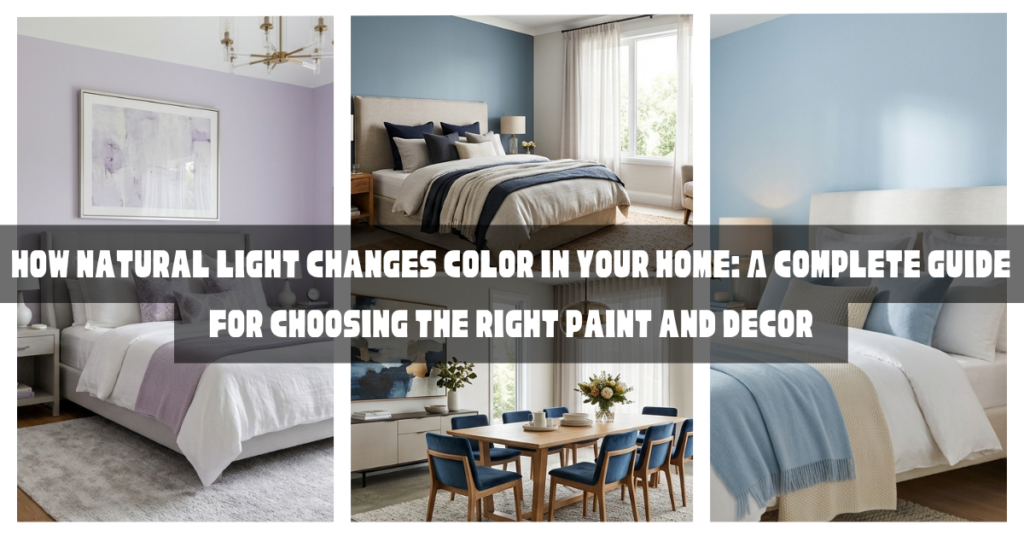
Natural light changes color more than most homeowners realize. The direction, intensity, and time of day all affect how paint colors appear, making it essential to test colors before decorating your home.Have you ever chosen a paint color in the store, only to discover that it looks completely different once it’s on your walls? This is one of the most common frustrations homeowners face—and the reason is usually natural light.
Light has a powerful influence on how colors appear. The same shade of white, gray, blue, or beige can look warm in one room, cool in another, and completely different at different times of the day.
Understanding how natural light affects color is one of the most valuable skills in home decor. It helps you choose paint colors with confidence, create balanced interiors, and avoid expensive decorating mistakes.
In this guide, you’ll learn how different directions of sunlight affect color, how to test paint correctly, and how to choose colors that look beautiful in every room.Natural light changes color throughout the day, making the same paint shade appear different in the morning and evening.
Why Natural Light Matters
Paint doesn’t have a color of its own—it reflects the light around it.
This means that:
- Sunlight changes throughout the day.
- Different rooms receive different amounts of sunlight.
- Artificial lighting also influences color.
As a result, one paint color can appear dramatically different from one room to another.
Professional interior designers always evaluate lighting before choosing a color palette.Understanding how natural light changes color helps you choose paint that looks beautiful in every season.
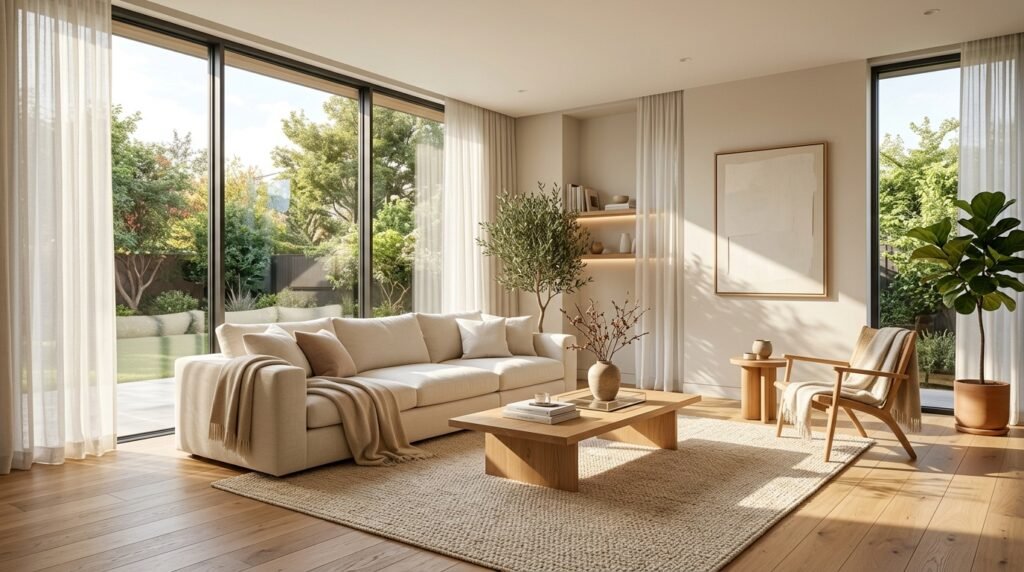
Understanding Light Direction
The direction your windows face has the biggest impact on how colors appear.
Homes generally receive light from one or more of these directions:
- North
- South
- East
- West
Each direction creates a unique lighting environment.Interior designers know that natural light changes color, which is why they always test paint samples inside the actual room.
North-Facing Rooms
North-facing rooms receive indirect, cooler light throughout most of the day.
This cooler light often makes colors appear:
- Slightly darker
- Cooler
- More muted
Gray paint may appear bluish, while white can sometimes look icy.
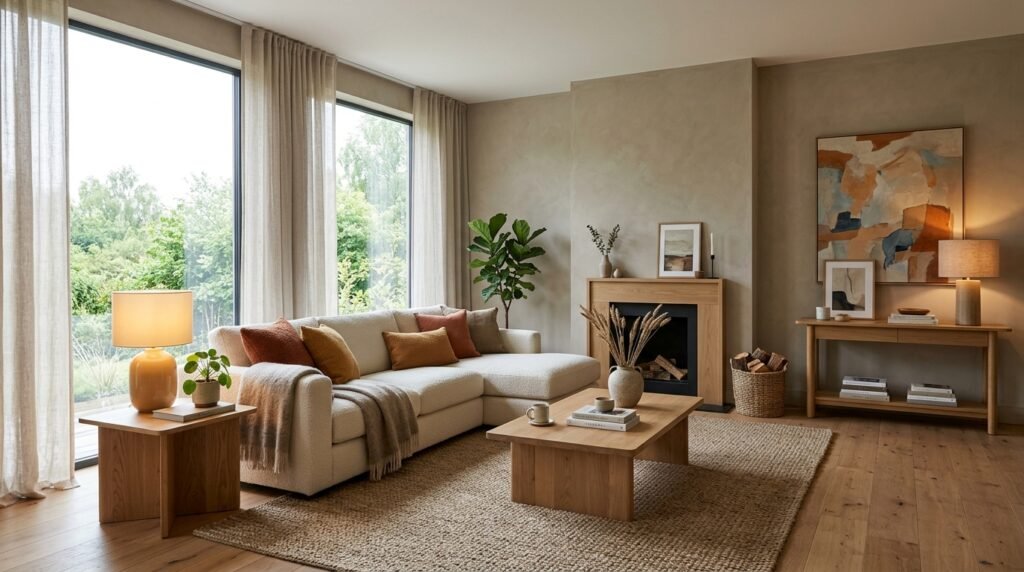
Best Colors for North-Facing Rooms
To balance cool light, choose warm colors such as:
- Warm white
- Cream
- Beige
- Greige
- Soft taupe
- Warm sand
These shades help create a cozy and welcoming atmosphere.Before painting your walls, remember that natural light changes color depending on the direction your windows face.Natural light changes color
Colors to Use Carefully
Cool colors like:
- Blue-gray
- Cool white
- Light lavender
may feel colder than expected in north-facing spaces.
Always test these colors before painting.Learning how natural light changes color can help you avoid expensive decorating mistakes.
South-Facing Rooms
South-facing rooms receive the most natural sunlight throughout the day.
This light is generally warm and bright.
Colors appear:
- Brighter
- Richer
- More vibrant
This type of room gives you the greatest flexibility when choosing colors.
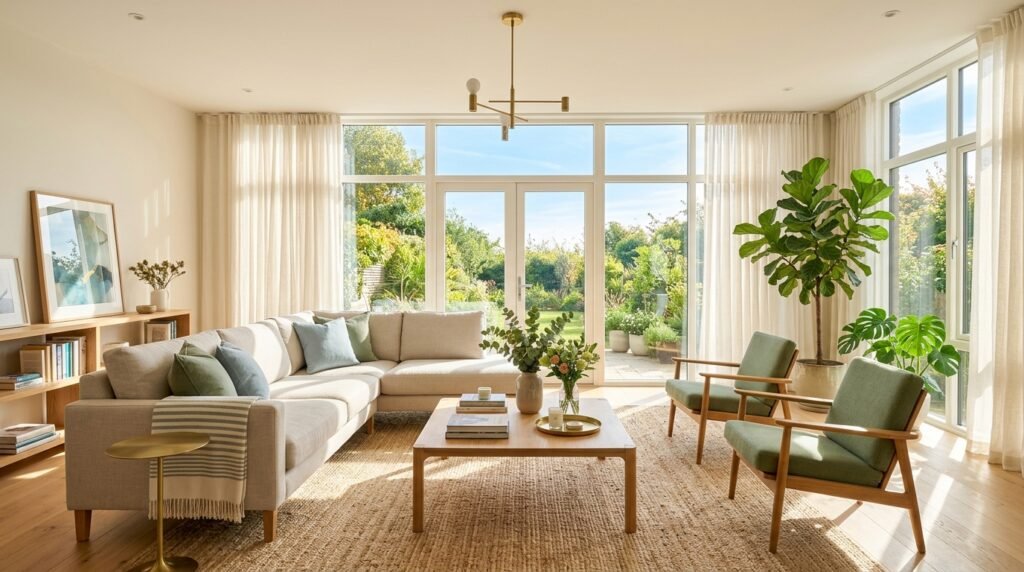
Best Colors for South-Facing Rooms
Almost every color works well, including:
- White
- Gray
- Blue
- Green
- Beige
- Navy
- Earth tones
Natural sunlight enhances their true appearance.Once you understand how natural light changes color, choosing the perfect paint becomes much easier.
Decorating Tip
Because sunlight is abundant, darker colors can work beautifully without making the room feel gloomy.Natural light changes color
Examples include:
- Charcoal gray
- Forest green
- Navy blue
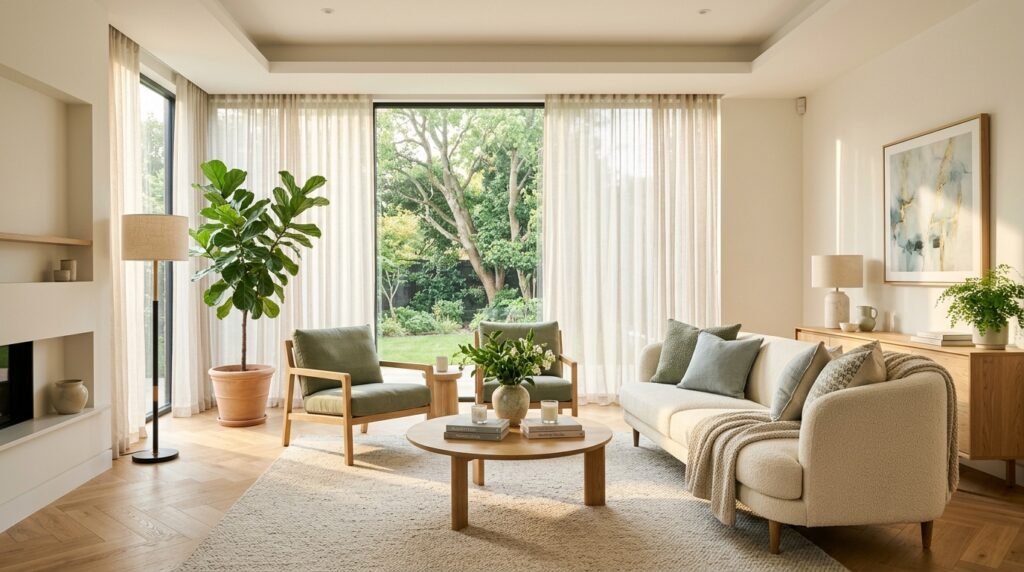
East-Facing Rooms
East-facing rooms receive warm morning sunlight and cooler light during the afternoon.
This means the room changes significantly throughout the day.
Morning:
- Bright
- Warm
- Cheerful
Afternoon:
- Cooler
- Softer
- Less vibrant
Best Colors for East-Facing Rooms
Choose balanced colors that look attractive under both lighting conditions.
Examples include:
- Soft beige
- Sage green
- Warm gray
- Cream
- Dusty blue
These colors remain pleasant from sunrise to sunset.
West-Facing Rooms
West-facing rooms receive softer light in the morning and warm golden sunlight later in the day.Natural light changes color
Afternoon sunlight can make colors appear:
- Warmer
- Richer
- More saturated
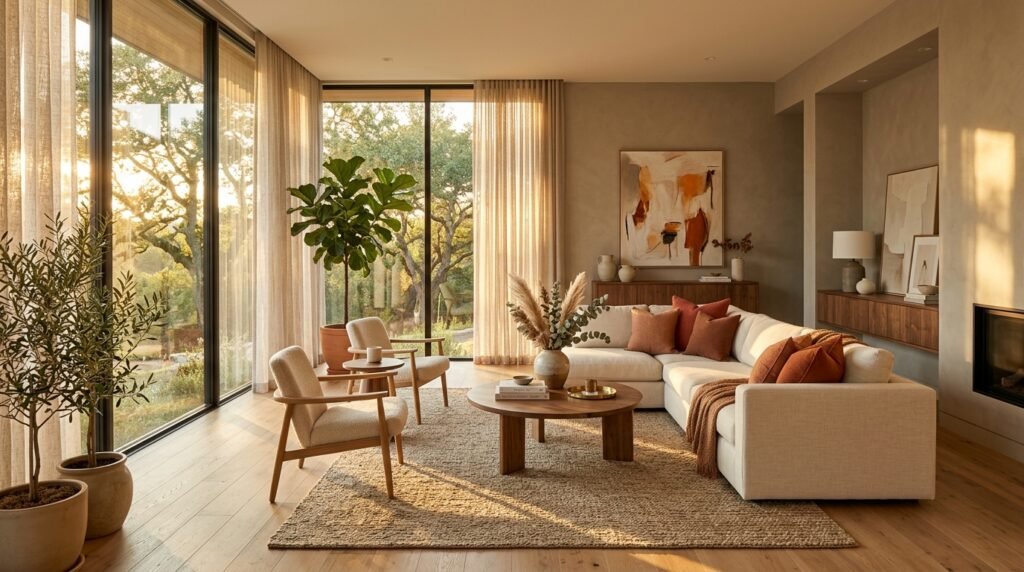
Best Colors for West-Facing Rooms
Neutral colors often work best.
Examples include:
- Warm white
- Light gray
- Beige
- Taupe
These shades maintain balance as lighting changes throughout the day.
Decorating Tip
If afternoon light feels too intense, cooler accent colors like sage green or soft blue can help balance the warmth.Natural light changes color
Why White Paint Looks Different in Every Room
Many homeowners assume white paint is simply “white.”
In reality, white paint comes in hundreds of shades.
Some whites have:
Warm Undertones
- Yellow
- Beige
- Cream
These create a cozy atmosphere.
Cool Undertones
- Blue
- Gray
- Green
These create a crisp, modern appearance.
Natural light determines which undertones become more noticeable.
How Gray Paint Changes Throughout the Day
Gray is one of the most unpredictable paint colors.
For example:
Morning:
Gray may appear warm.
Afternoon:
It may appear neutral.
Evening:
It can appear blue or purple depending on lighting.
Always test gray paint carefully before making a final decision.
How Natural Light Affects Other Colors
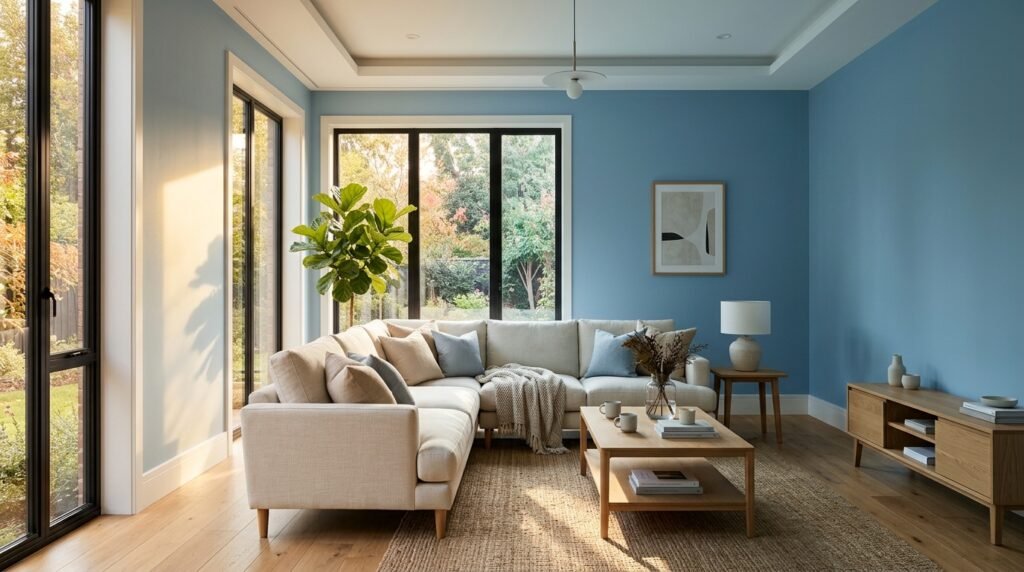
Blue
Bright sunlight makes blue appear lighter and more vibrant.
Low light can make blue appear darker and moodier.
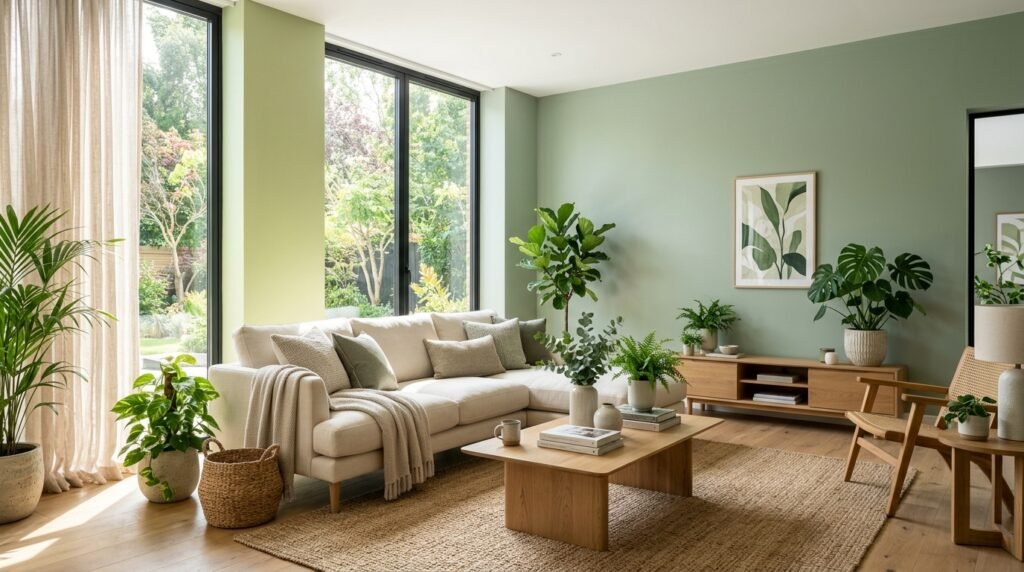
Green
Natural sunlight enhances green’s connection to nature.
Dim lighting may make green appear dull.
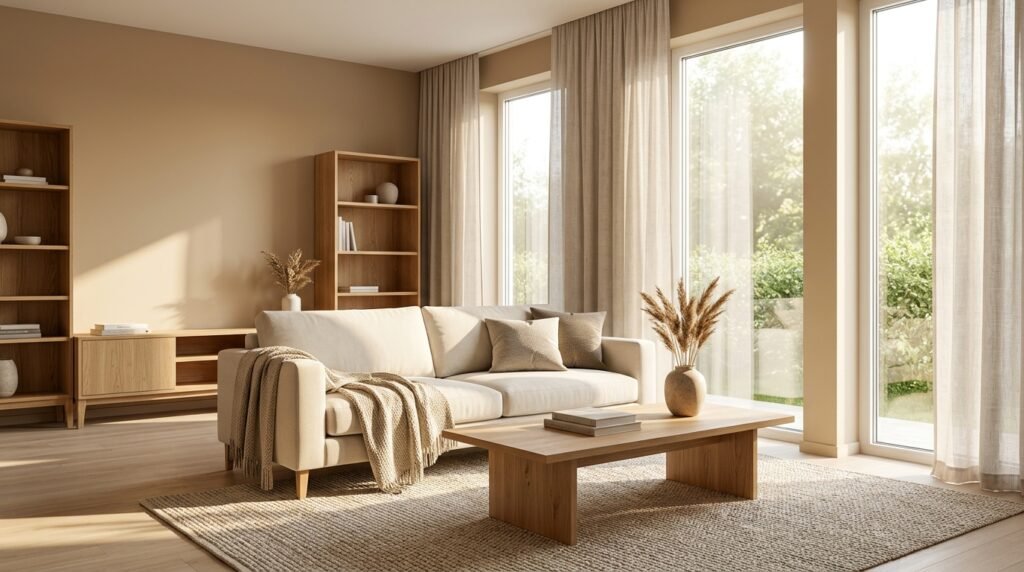
Beige
Beige often becomes warmer in sunny rooms.
In cooler rooms, it may appear gray.
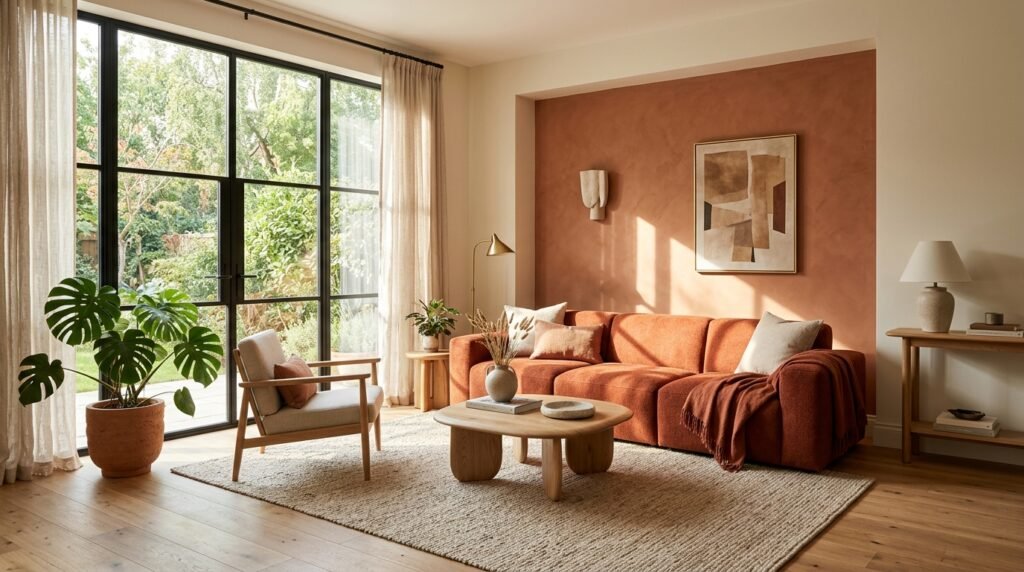
Terracotta
Sunlight highlights its rich, earthy warmth.
This makes terracotta especially attractive in bright living spaces.
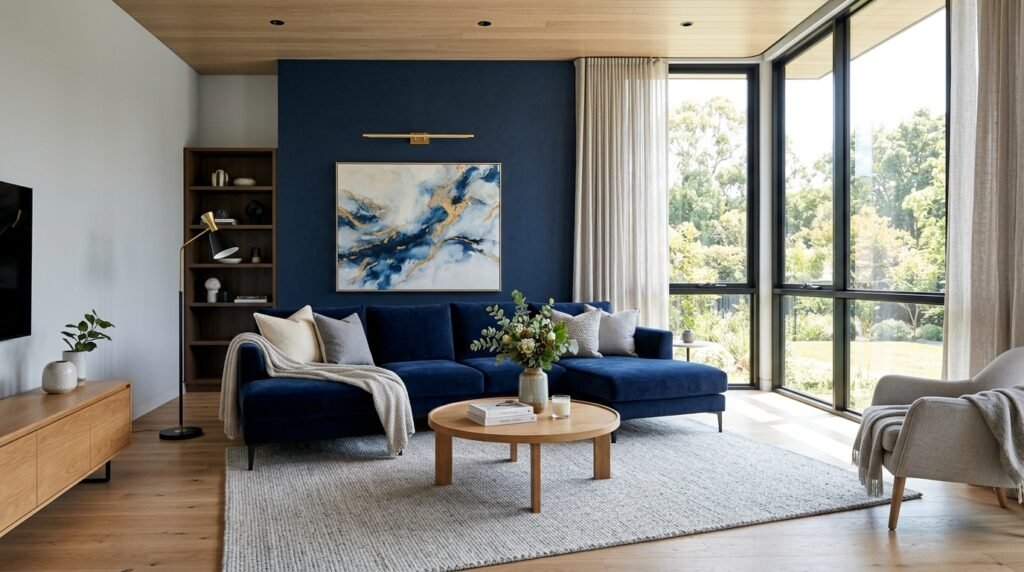
Navy Blue
In bright rooms:
Navy feels elegant.
In darker rooms:
It can appear almost black.
Balance navy with lighter furnishings when natural light is limited.
The Importance of Paint Samples
Never choose paint based solely on:
- A paint chip
- A brochure
- A website
- A computer screen
Instead:
Purchase sample pots.
Paint large sections of your wall.
Observe them:
- Morning
- Afternoon
- Evening
- Sunny days
- Cloudy days
This is exactly how professional designers evaluate paint colors.
How Artificial Lighting Affects Color
Natural light changes throughout the day, but artificial lighting also influences color.
Warm White Bulbs (2700K–3000K)
These bulbs make colors appear:
- Softer
- Warmer
- More comfortable
Ideal for:
- Bedrooms
- Living rooms
- Dining rooms
Neutral White Bulbs (3500K–4000K)
These create balanced lighting.
Good for:
- Kitchens
- Hallways
- Bathrooms
Cool White Bulbs (5000K and above)
These make colors appear:
- Cooler
- Brighter
- Sharper
Commonly used in:
- Garages
- Workshops
- Utility spaces
For most homes, warm white lighting creates the most inviting atmosphere.
How to Test Colors Like an Interior Designer
Before painting an entire room:
Step 1
Paint at least a 2 ft × 2 ft sample directly on the wall.
Step 2
View the sample:
- Morning
- Afternoon
- Evening
Step 3
Compare it next to:
- Flooring
- Furniture
- Curtains
- Rugs
- Wall art
Step 4
Live with the sample for two or three days before making a final decision.
This simple process can prevent expensive repainting.
Common Mistakes When Choosing Paint Colors
Choosing Paint in a Store
Store lighting rarely matches your home’s lighting.
Ignoring Window Direction
Always consider whether your room faces north, south, east, or west.
Using the Same Paint Everywhere
The same color may look wonderful in one room but disappointing in another.
Adjust your palette based on each room’s lighting.
Forgetting About Artificial Lighting
Paint should be evaluated with both natural and artificial light.
Quick Reference Guide
| Room Direction | Light Quality | Best Color Choices |
|---|---|---|
| North | Cool, indirect | Warm white, beige, cream, greige |
| South | Bright, warm | Almost any color, including darker shades |
| East | Warm morning, cool afternoon | Sage green, warm gray, cream, dusty blue |
| West | Cool morning, warm afternoon | Beige, taupe, warm white, light gray |
How This Connects to Other Design Principles
Understanding natural light becomes much easier when combined with the principles you’ve already learned in this series.
For additional guidance, read:
- Color Psychology in Home Decor: How Colors Affect Mood
- Best Colors for Living Rooms: Creating Comfort and Style
- Best Bedroom Colors for Better Sleep and Relaxation
- How to Choose the Perfect Color Palette for Your Home
- Understanding Warm vs. Cool Colors in Interior Design
- Sherwin-Williams guide to how light affects paint color
Together, these guides will help you choose colors that remain beautiful throughout the day and throughout your home.
The Bottom Line
Natural light is one of the most important factors in home decor, yet it’s often overlooked. The same paint color can look warm, cool, bright, or muted depending on the direction of sunlight, the time of day, and the type of lighting in the room.
By understanding how light affects color, testing paint samples properly, and choosing shades that complement your room’s lighting conditions, you can avoid costly mistakes and create spaces that feel balanced, inviting, and beautiful.
Remember, there is no universally perfect paint color—only the one that works best in your home, with your lighting.
Pingback: Layered Lighting Explained: Ambient, Task, and Accent Lighting – Modern & Trendy Home Decor Vibes
Pingback: How to Choose the Right Light Fixtures: 10 Expert Tips