

The best bedroom colors for better sleep can help create a calm and relaxing atmosphere. Soft blues, gentle greens, warm neutrals, and muted earth tones are popular choices because they encourage relaxation and make your bedroom feel like a peaceful retreatYour bedroom should be more than just a place to sleep—it should be a personal retreat where you can unwind, recharge, and escape from the stresses of daily life. While comfortable furniture and cozy bedding are important, one of the biggest factors influencing the atmosphere of a bedroom is color.
The colors you choose for your walls, furniture, bedding, and decor can affect your mood, stress levels, and even the quality of your sleep. Some colors promote calmness and relaxation, while others can feel stimulating and energizing.
In this guide, you’ll learn which bedroom colors are best for better sleep and relaxation, why they work, and how to use them effectively in your home.The best bedroom colors for better sleep create a peaceful and relaxing atmosphere.
Why Bedroom Color Matters
Color psychology suggests that different colors can influence emotions and behavior.
Since the bedroom is primarily a space for:
- Rest
- Relaxation
- Sleep
- Recovery
The ideal color palette should support these functions.
The wrong colors may make a room feel:
- Busy
- Overstimulating
- Stressful
- Uncomfortable
The right colors can create a peaceful environment that encourages deeper relaxation and better sleep.Choosing the best bedroom colors for better sleep helps improve your bedroom environment.
What Makes a Good Bedroom Color?
The best bedroom colors generally share these characteristics:
- Soft rather than intense
- Calming rather than stimulating
- Warm and welcoming
- Comfortable to live with long-term
Most sleep-friendly colors are inspired by nature because natural environments tend to feel relaxing and restorative.Soft blue is one of the best bedroom colors for better sleep because it creates a calming feeling.
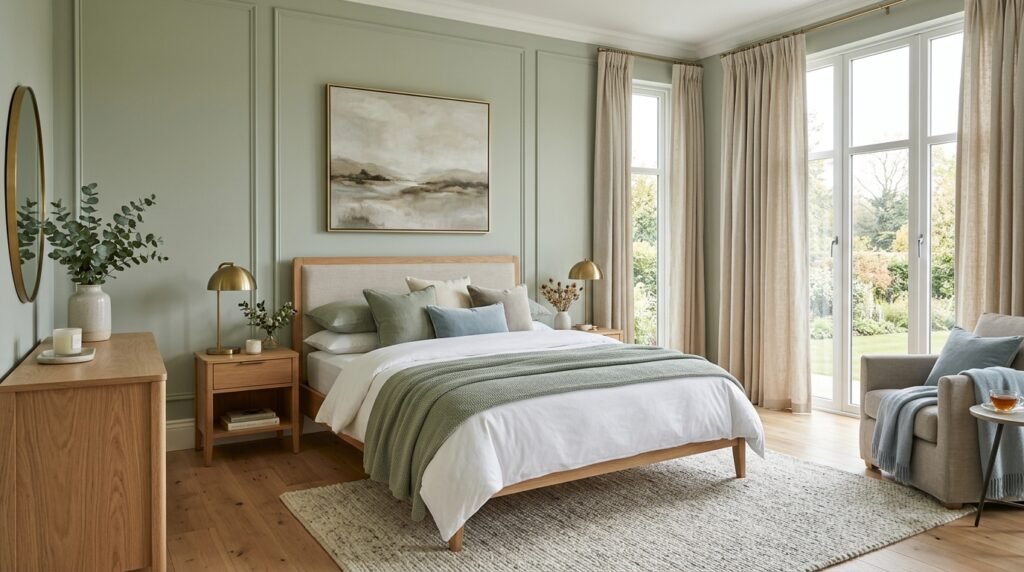
Blue: The Most Relaxing Bedroom Color
Blue is often considered the best color for bedrooms.
It is associated with:
- Calmness
- Peace
- Stability
- Relaxation
Blue can help create a serene atmosphere that encourages rest.Many homeowners choose the best bedroom colors for better sleep to make their bedrooms feel more comfortable.
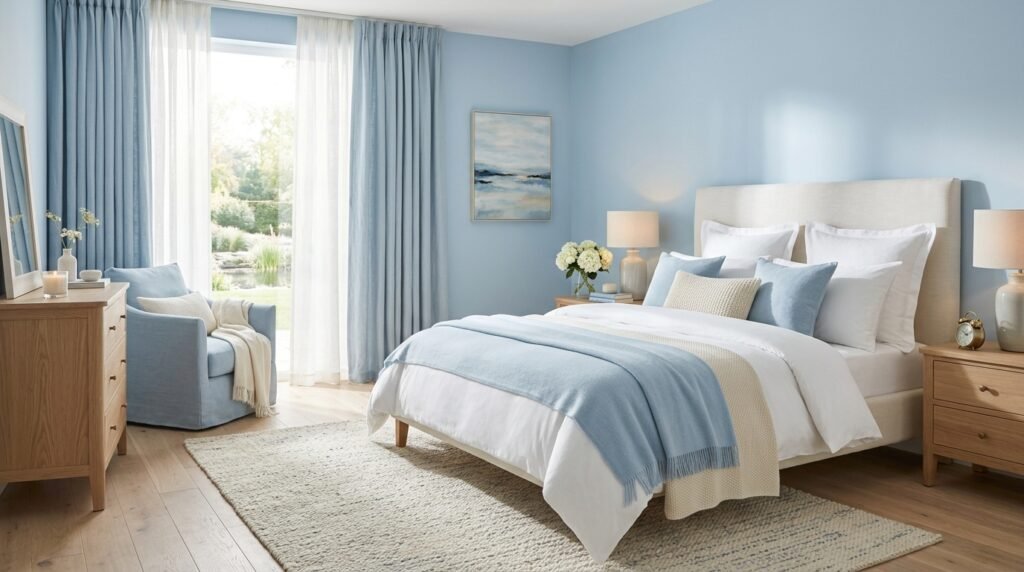
Why Blue Works
Blue reminds us of:
- Clear skies
- Oceans
- Water
These natural associations often create feelings of tranquility.The best bedroom colors for better sleep include soft green, sage, warm beige, and light gray.
Best Shades of Blue
Popular choices include:
- Soft sky blue
- Dusty blue
- Pale blue-gray
- Muted navy
Avoid extremely bright or electric blues, which can feel overly stimulating.Learning about the best bedroom colors for better sleep makes decorating much easier.
Best Pairings
Blue works beautifully with:
- White
- Light gray
- Natural wood
- Beige
These combinations create a peaceful and timeless bedroom.Learning about the best bedroom colors for better sleep makes decorating much easier.
Sage Green: Calm and Nature-Inspired
Sage green has become one of the most popular bedroom colors in recent years.
It combines the calming effects of blue with the warmth of yellow.The best bedroom colors for better sleep work well with natural light and soft lighting.
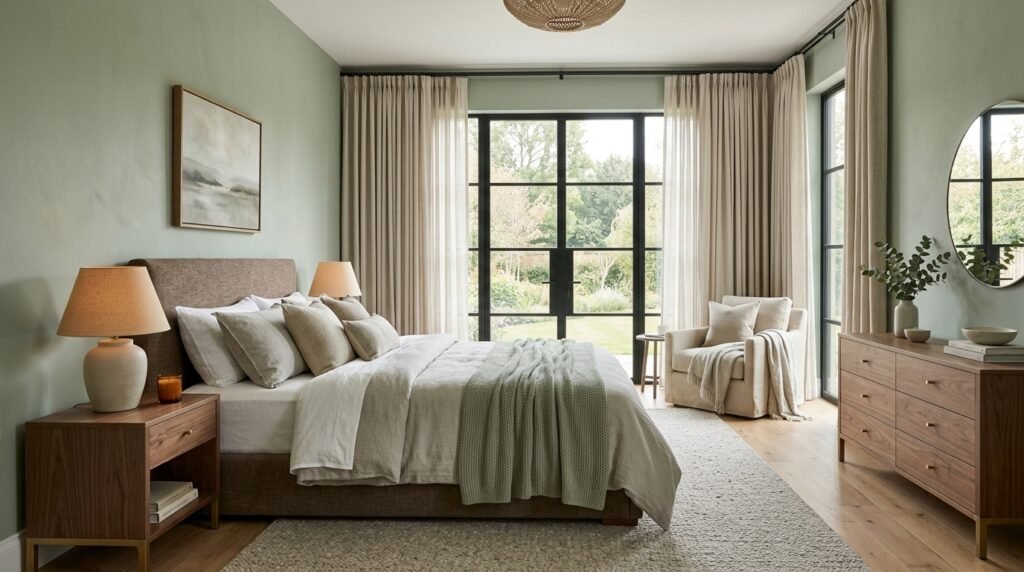
Why Sage Green Works
It creates feelings of:
- Balance
- Harmony
- Freshness
- Comfort
Many homeowners find green especially relaxing because it strengthens the connection to nature.The best bedroom colors for better sleep work well with natural light and soft lighting.
Best Pairings
Sage green pairs beautifully with:
- Cream
- Beige
- Oak wood
- Linen fabrics
This combination creates a soft and welcoming environment.The best bedroom colors for better sleep help create a relaxing space where you can unwind after a busy day.
Soft Gray: Elegant and Relaxing
Gray remains one of the most versatile bedroom colors.
When used correctly, it can feel:
- Sophisticated
- Peaceful
- Modern
- Comfortable
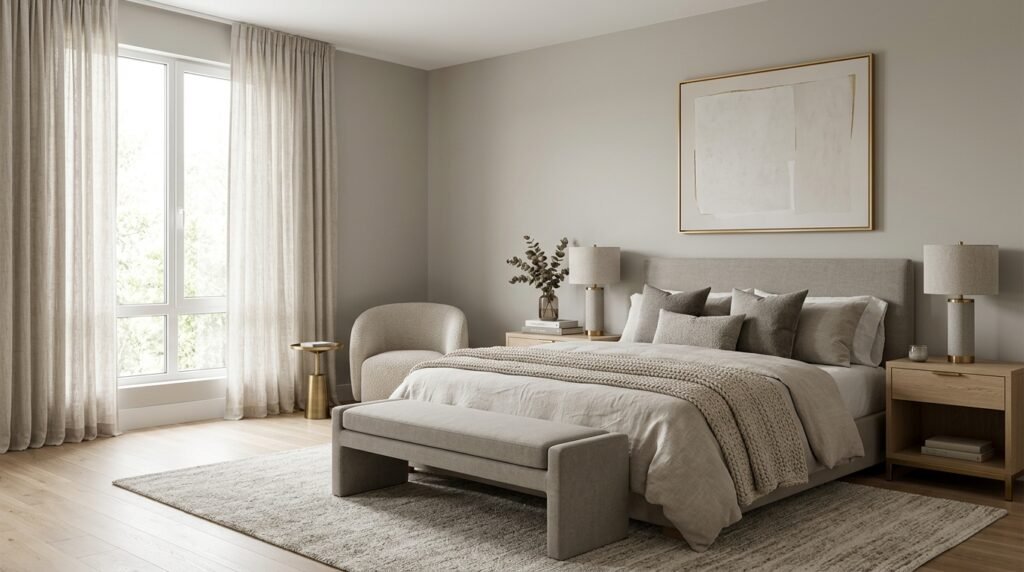
Choose Warm Grays
Warm grays generally work better in bedrooms than cool grays.
Warm gray creates a cozy atmosphere, while cool gray can sometimes feel sterile.Best Bedroom Colors for Better Sleep
Best Pairings
Combine gray with:
- White bedding
- Wood furniture
- Soft textiles
- Green plants
These additions prevent the room from feeling cold.The best bedroom colors for better sleep help create a relaxing space where you can unwind after a busy day.
Beige and Warm Neutrals: Cozy and Timeless
Beige has experienced a major resurgence in home decor.
Its popularity comes from its ability to create warmth without overwhelming a room.
Why Beige Works
Beige feels:
- Comfortable
- Welcoming
- Relaxing
- Timeless
It creates a soothing backdrop that works with almost any decorating style.
Popular Neutral Bedroom Colors
Examples include:
- Beige
- Cream
- Sand
- Taupe
- Warm ivory
These shades help create a cozy retreat.
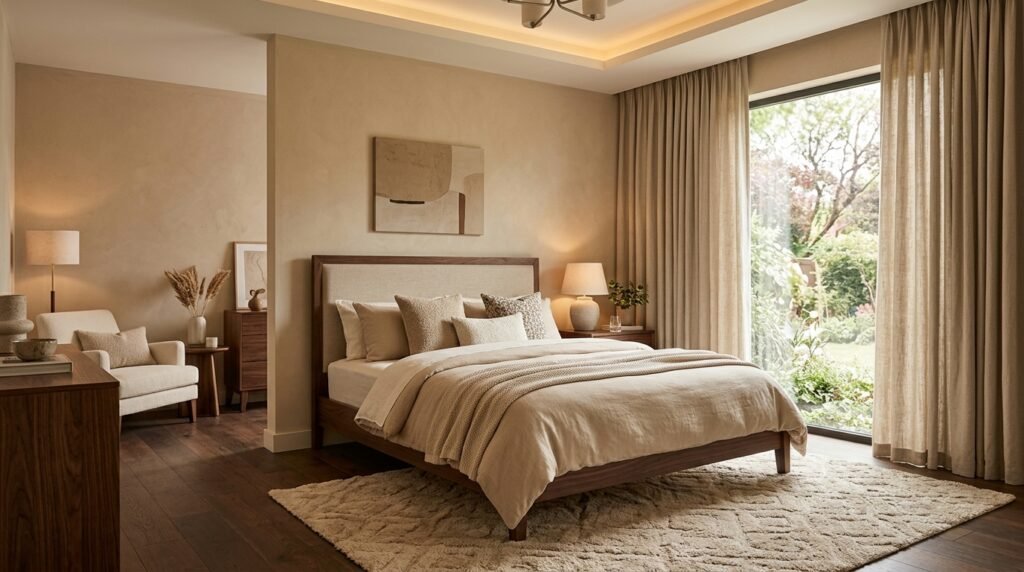
Earth Tones: Warm and Grounding
Earth tones are inspired by nature and can make a bedroom feel warm and secure.
Popular earth-tone colors include:
- Terracotta
- Clay
- Taupe
- Camel
- Warm brown
Why Earth Tones Work
They create:
- Comfort
- Warmth
- Stability
- Connection to nature
Earth tones are especially effective in bedrooms where you want a cozy and inviting atmosphere.
Best Pairings
Combine earth tones with:
- Linen bedding
- Wooden furniture
- Woven textures
- Natural materials
The result feels organic and relaxing.
Soft Green: Fresh and Restorative
Green is often associated with growth, renewal, and balance.
Soft green shades can create a bedroom that feels:
- Peaceful
- Refreshing
- Healthy
Best Shades
- Sage green
- Moss green
- Eucalyptus green
- Olive green
These muted tones tend to be more relaxing than bright greens.
Lavender: Gentle and Peaceful
Lavender is a soft purple shade that can create a calm and romantic atmosphere.
It often evokes feelings of:
- Relaxation
- Comfort
- Creativity
- Serenity
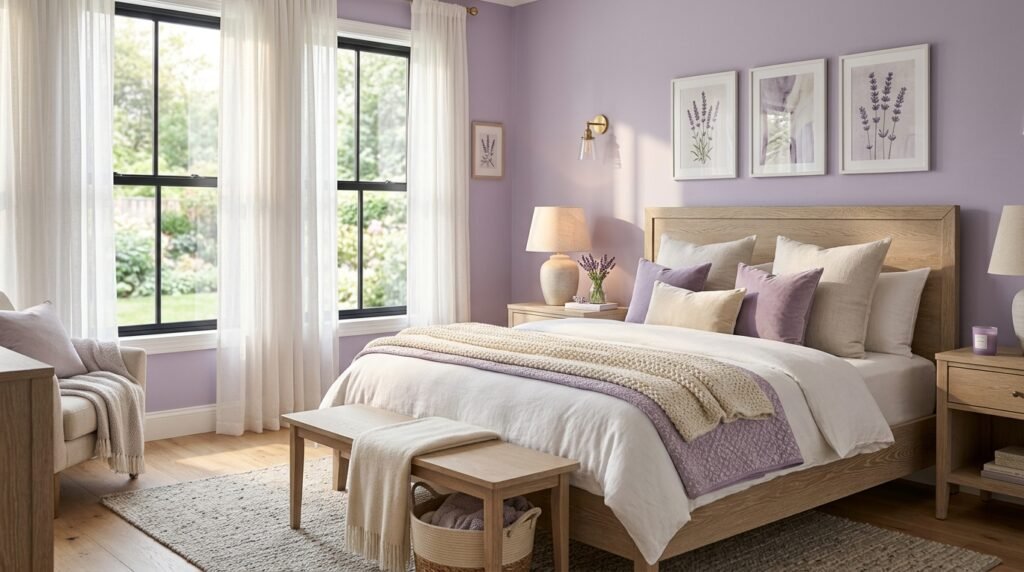
Best Uses
Lavender works particularly well in:
- Bedrooms
- Reading corners
- Guest rooms
Decorating Tip
Pair lavender with:
- White
- Gray
- Soft beige
For a balanced appearance.
White: Clean and Airy
White remains a classic bedroom color.
It creates feelings of:
- Freshness
- Simplicity
- Spaciousness
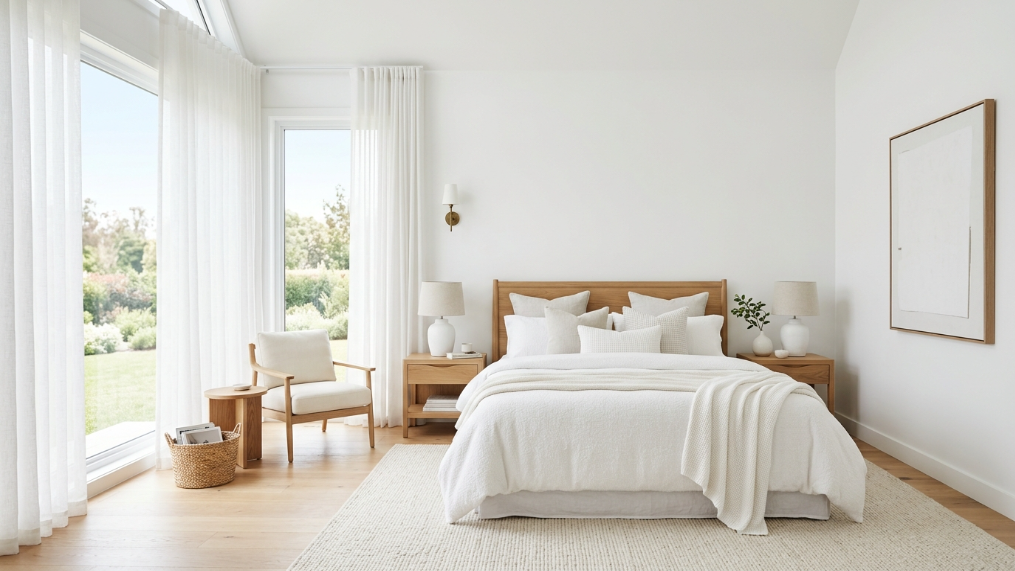
Why White Works
White reflects light and makes rooms appear larger.
It also serves as an ideal backdrop for layered textures.
Preventing a Sterile Look
Add warmth through:
- Wood furniture
- Textured bedding
- Area rugs
- Woven baskets
Texture is essential when decorating with white.
Colors to Use Carefully in Bedrooms
Not every color supports sleep and relaxation equally.
Bright Red
Red is associated with:
- Energy
- Excitement
- Stimulation
While effective as a small accent, large amounts of red may feel too intense for a bedroom.
Bright Orange
Orange encourages activity and enthusiasm.
It works better in:
- Home gyms
- Playrooms
- Creative spaces
Than in sleep-focused environments.
Neon Colors
Highly saturated colors can be visually overwhelming and may make relaxation more difficult.
Best Bedroom Color Combinations
Here are some proven combinations that create peaceful bedrooms.
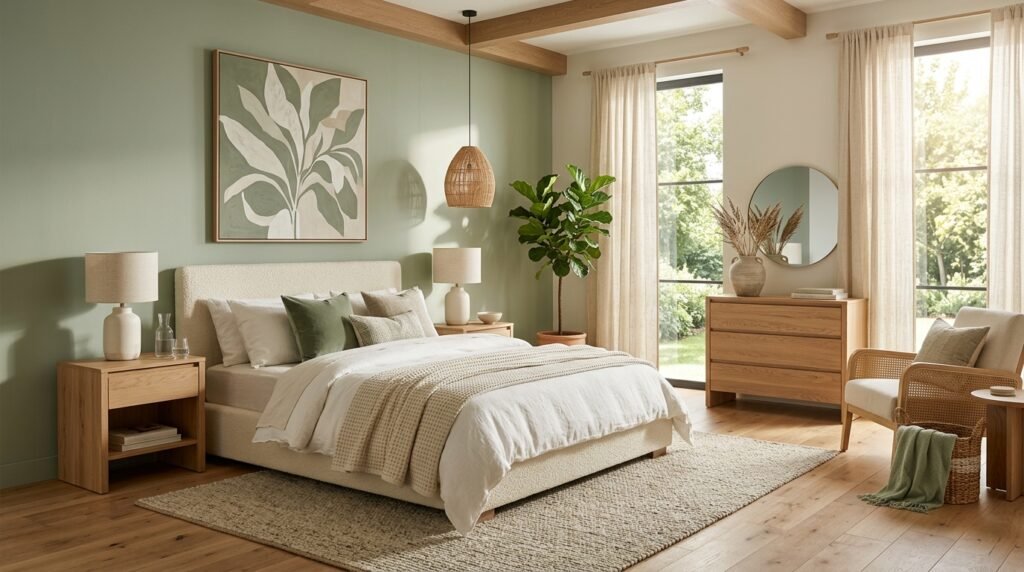
Sage Green + Cream + Oak Wood
Creates:
- Natural warmth
- Relaxation
- Organic beauty
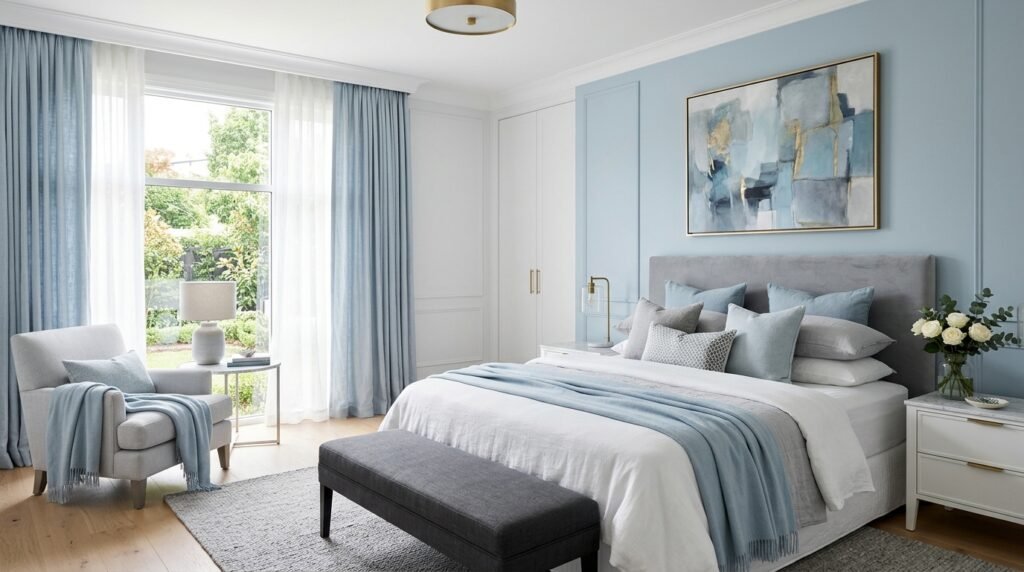
Soft Blue + White + Gray
Creates:
- Calmness
- Freshness
- Timeless appeal
Beige + Cream + Wood
Creates:
- Comfort
- Warmth
- Elegance
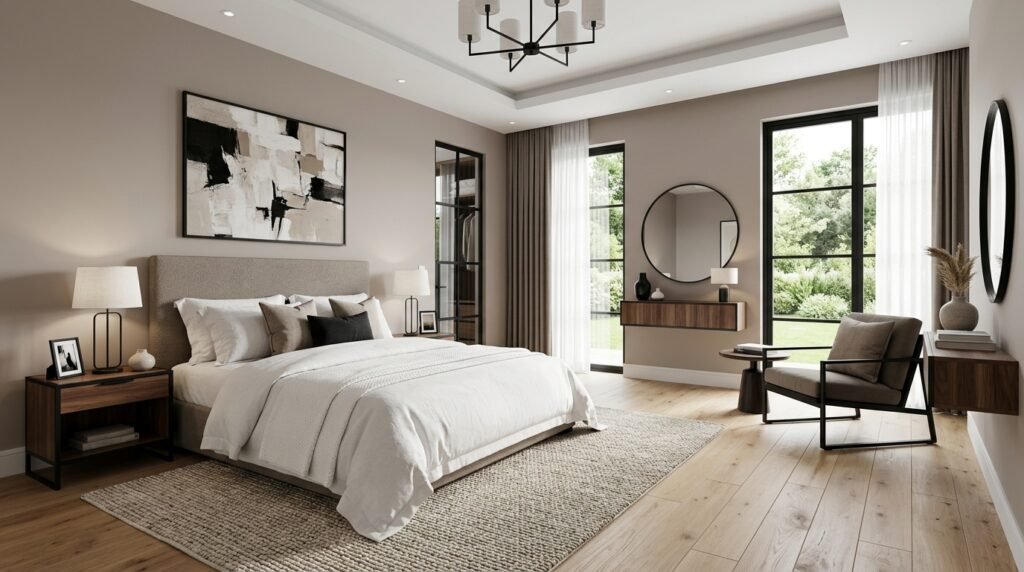
Taupe + White + Black Accents
Creates:
- Sophistication
- Modern balance
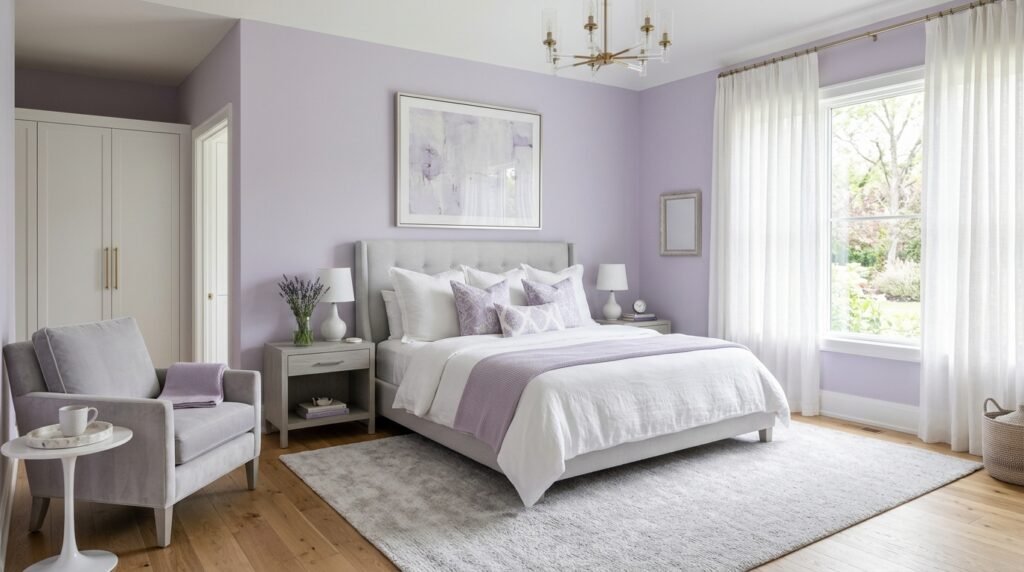
Lavender + Gray + White
Creates:
- Softness
- Serenity
- Visual harmony
How Lighting Affects Bedroom Colors
Color doesn’t exist independently of light.
The same paint color can look dramatically different depending on lighting conditions.
Natural Light
Typically reveals the truest version of a color.
Warm Artificial Light
Makes colors appear softer and cozier.
Cool Artificial Light
Can make colors appear colder and less inviting.
Always test paint samples during different times of day before making a final choice
Choosing Bedroom Colors Based on Decor Style
Different styles often favor different palettes.
Scandinavian Bedrooms
Best colors:
- White
- Light gray
- Soft beige
Modern Bedrooms
Best colors:
- Gray
- Greige
- White
- Black accents
Boho Bedrooms
Best colors:
- Terracotta
- Sage green
- Warm neutrals
Farmhouse Bedrooms
Best colors:
- Cream
- Beige
- Soft green
Minimalist Bedrooms
Best colors:
- White
- Warm gray
- Taupe
Common Bedroom Color Mistakes
Choosing Trendy Colors Without Considering Comfort
Trends come and go, but your bedroom should support relaxation.
Ignoring Natural Light
Lighting significantly affects color appearance.
Using Too Many Colors
A limited palette often feels more calming.
Forgetting Texture
Color works best when paired with:
- Wood
- Fabric
- Rugs
- Natural materials
Texture adds warmth and depth.
Creating a Relaxing Bedroom Environment
Color is just one part of the equation.
For the most restful bedroom, combine:
- Calming colors
- Soft lighting
- Comfortable bedding
- Natural textures
- Minimal clutter
Together, these elements create a space that supports relaxation and restorative sleep.
How This Connects to Other Design Principles
Understanding bedroom color becomes easier when you also understand:
- Color psychology
- Texture
- Lighting
- Cohesion
For additional guidance, read:
- Color Psychology in Home Decor: How Colors Affect Mood
- Texture in Home Decor
- How to Create a Cohesive Look Across Your Home
- How to Plan Home Decor Before Buying Anything
- Sleep Foundation guide to bedroom colors for sleep
These guides will help you create a bedroom that feels both beautiful and functional.
The Bottom Line
The best bedroom colors are those that help you feel calm, comfortable, and relaxed. Soft blues, sage greens, warm neutrals, gentle grays, and earth tones consistently perform well because they create a peaceful atmosphere that supports better sleep.
When choosing a bedroom color, think beyond trends and consider how the color makes you feel. The most successful bedrooms are not only visually appealing—they encourage rest, recovery, and well-being.
This post is part of our Home Decor Guidance Series. In the next guide, we’ll explore How to Choose the Perfect Color Palette for Your Home, where you’ll learn how to combine colors effectively and create a cohesive color scheme throughout your entire house.
Pingback: Understanding Warm vs. Cool Colors in Interior Design: A Complete Beginner’s Guide – Modern & Trendy Home Decor Vibes
Pingback: How Natural Light Changes Color in Your Home: A Complete Guide for Choosing the Right Paint and Decor – Modern & Trendy Home Decor Vibes