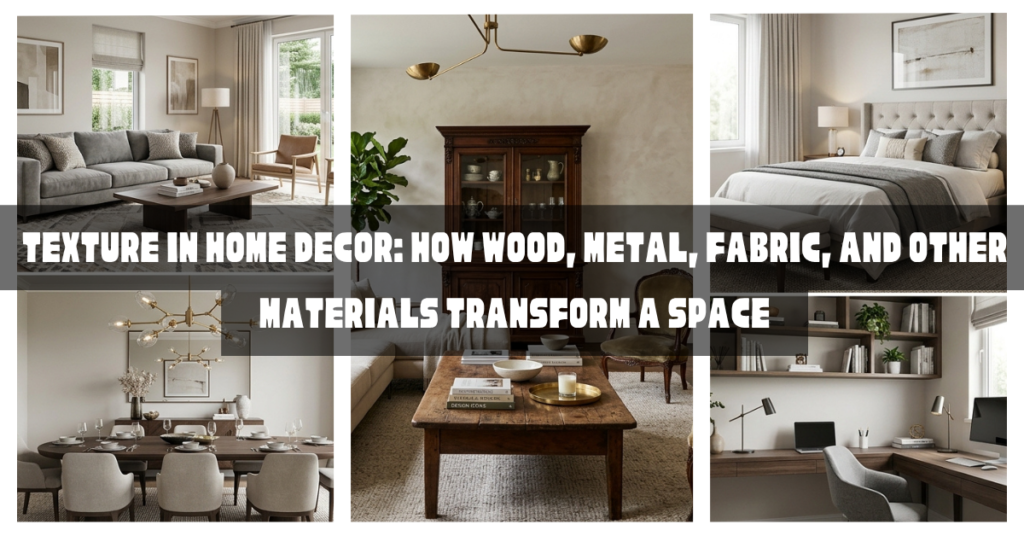
Texture in home decor is one of the most powerful elements of interior design. By combining materials such as wood, metal, fabric, glass, and stone, you can add warmth, depth, and visual interest to every room in your home.When most people think about home decor, they focus on colors, furniture, and wall art. While these elements are important, there’s another design principle that often separates professionally designed rooms from ordinary ones: texture.
Texture adds depth, warmth, comfort, and visual interest to a room. In fact, a space can have the perfect color palette and beautiful furniture, yet still feel flat and lifeless if it lacks texture.
In this guide, you’ll learn what texture is, why it matters, and how to use materials like wood, metal, fabric, glass, and natural elements to create a more inviting and balanced home.Texture in home decor is one of the most powerful elements of interior design. By combining materials such as wood, metal, fabric, glass, and stone, you can add warmth, depth, and visual interest to every room in your home.
What Is Texture in Home Decor?
Texture refers to the surface quality of an object—how it looks and how it feels.
Some textures are:
- Smooth
- Rough
- Soft
- Hard
- Shiny
- Matte
Even when you don’t physically touch an object, your eyes perceive its texture.
For example:
- A fluffy throw blanket looks soft.
- A wooden table looks warm and natural.
- A metal lamp looks sleek and cool.
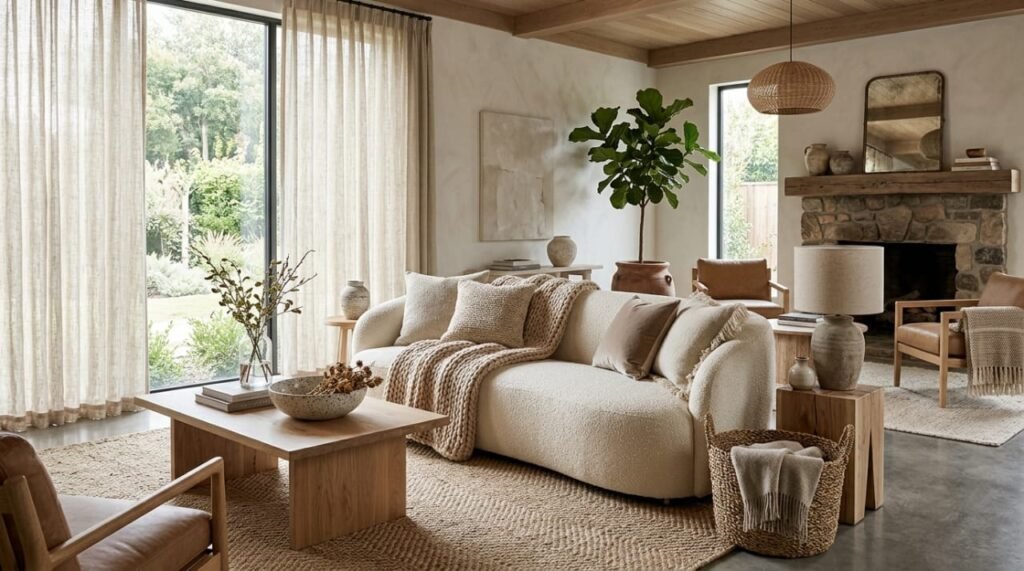
These visual impressions influence how a room feels.Understanding texture in home decor helps create a more balanced and inviting living space.
Why Texture Matters in Interior Design
Texture plays several important roles in home decor.
Adds Visual Interest
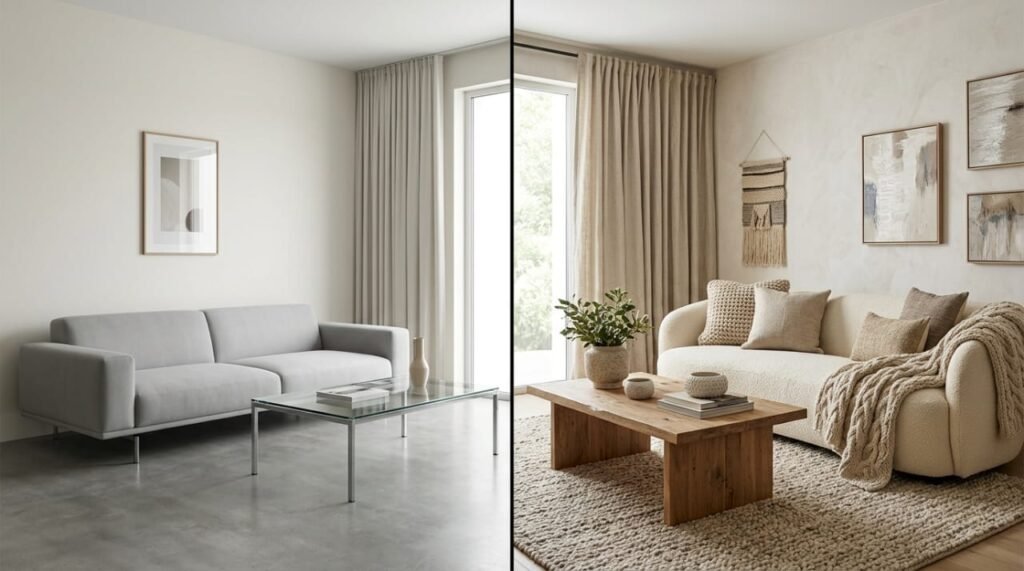
A room filled with only smooth surfaces can feel boring.
Mixing textures creates variety and makes the space more engaging.Professional designers use texture in home decor to prevent rooms from looking flat or boring.
Creates Warmth
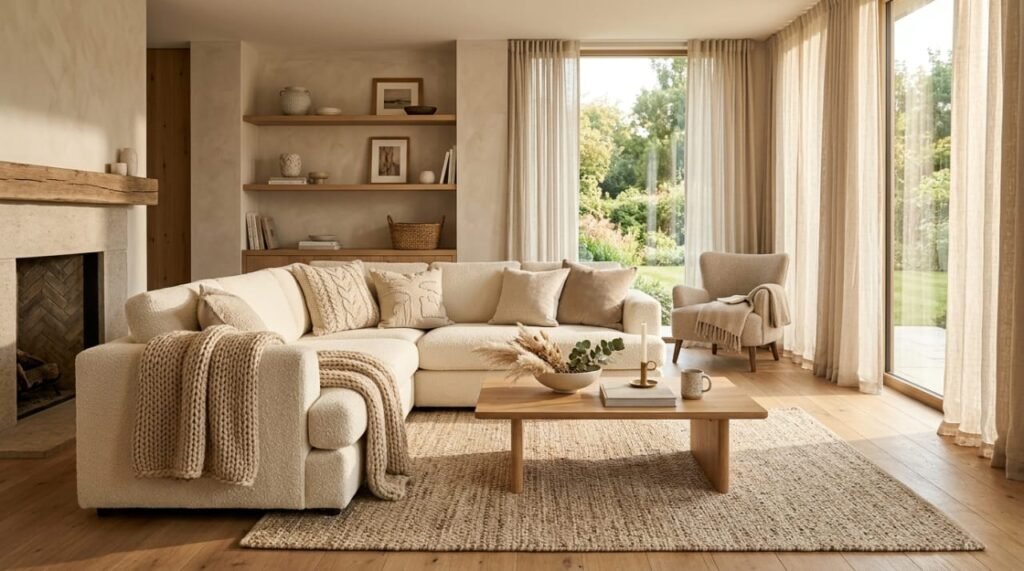
Natural and soft materials help rooms feel comfortable and welcoming.
Examples:
- Wood
- Wool
- Cotton
- Linen
These materials add warmth even when using neutral colors.Adding wood, metal, and fabric improves texture in home decor without changing the color scheme.
Improves Balance
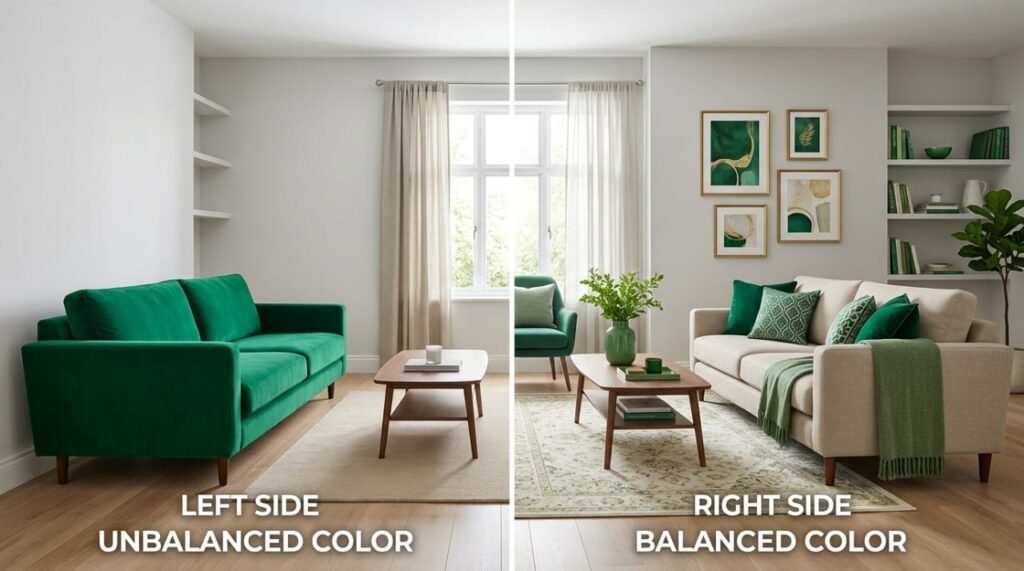
Different textures create contrast.
A balance of smooth and rough surfaces makes a room feel complete.
Enhances Style
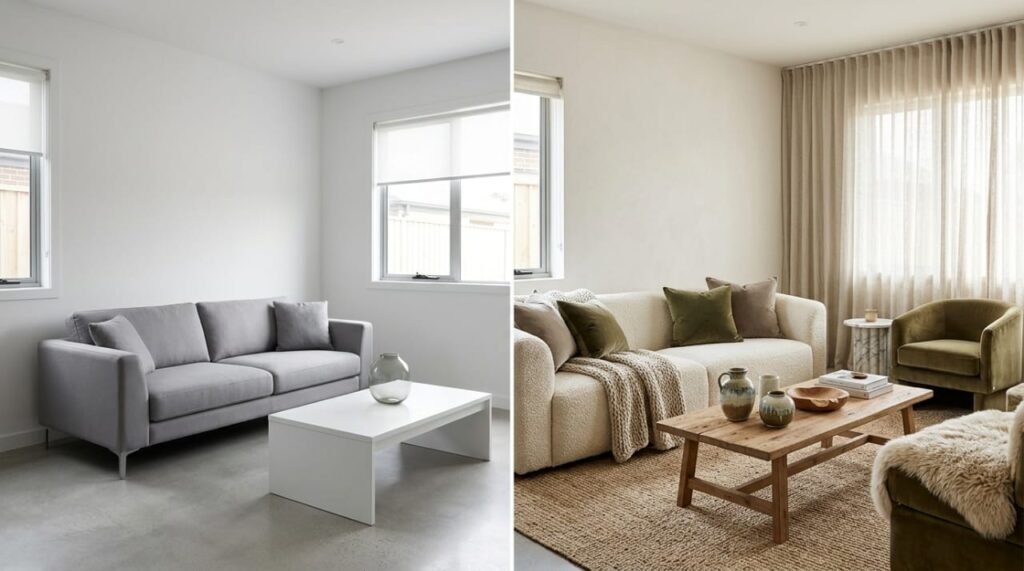
Every decorating style relies on texture.
For example:
- Scandinavian decor uses natural wood and cozy fabrics.
- Industrial decor uses metal and concrete.
- Boho decor combines woven materials, textiles, and natural fibers.
Texture helps define a room’s personality.Natural materials are essential for creating beautiful texture in home decor.
Understanding Visual Texture vs. Physical Texture
There are two types of texture in home decor.
Visual Texture
Texture that is seen but not necessarily touched.
Examples:
- Wood grain
- Stone patterns
- Woven baskets
- Textured wallpaper
These add depth through appearance.Layering different materials is one of the easiest ways to improve texture in home decor.
Physical Texture
Texture that can be felt.
Examples:
- Velvet cushions
- Wool rugs
- Linen curtains
- Leather furniture
Physical texture affects comfort and usability.
The best rooms use both types.The right texture in home decor creates visual interest and makes a room feel more comfortable.
Wood Texture in Home Decor
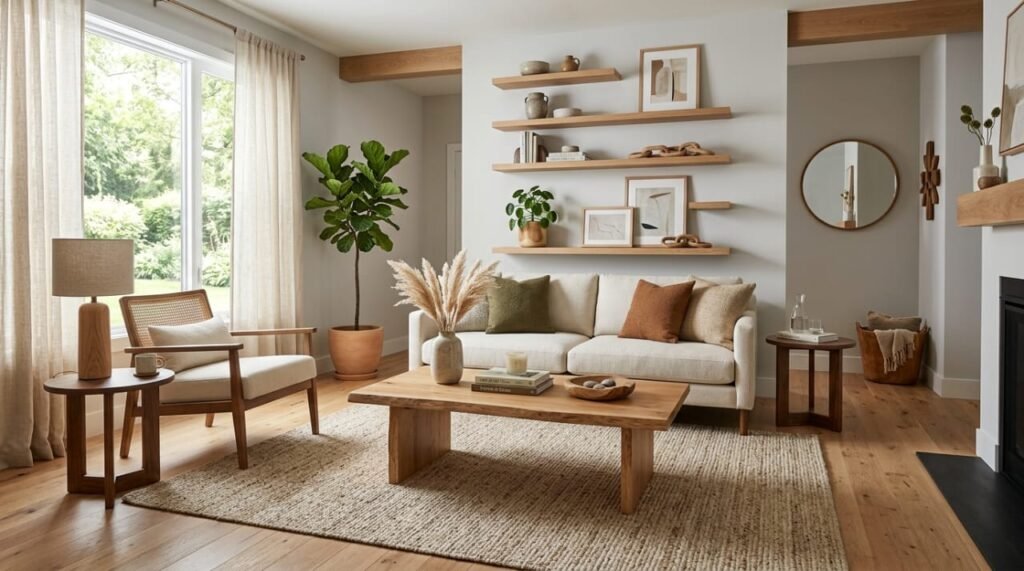
Wood is one of the most popular materials in interior design.
It instantly adds warmth, character, and natural beauty.The right texture in home decor creates visual interest and makes a room feel more comfortable.
Why Wood Works So Well
Wood feels:
- Warm
- Organic
- Timeless
- Comfortable
Unlike many synthetic materials, wood brings a connection to nature.
Common Ways to Use Wood
Furniture
Examples:
- Dining tables
- Coffee tables
- Bookshelves
- Bed frames
Wall Decor
Examples:
- Wooden wall panels
- Floating shelves
- Framed artwork
Flooring
Wood flooring adds texture throughout an entire room.
Best Decor Styles for Wood
Wood works beautifully in:
- Scandinavian decor
- Modern decor
- Rustic decor
- Farmhouse decor
- Boho decor
Because of its versatility, wood fits almost every decorating style.
Metal Texture in Home Decor
Metal introduces contrast and sophistication.
It provides structure and visual balance when paired with softer materials.
Common Types of Metal
Black Metal
Popular in:
- Modern interiors
- Industrial spaces
Creates bold contrast.
Brass and Gold
Adds warmth and luxury.
Commonly used in:
- Lighting
- Mirrors
- Decorative accents
Chrome and Silver
Creates a clean, contemporary appearance.
Often used in modern interiors.
Ways to Incorporate Metal
Examples:
- Light fixtures
- Table legs
- Shelving brackets
- Decorative trays
- Mirror frames
A little metal goes a long way.
Fabric Texture in Home Decor
Fabric is one of the easiest ways to introduce texture into a room.
It adds softness, comfort, and warmth.
Why Fabric Is Important
Without fabric, many rooms feel cold and uninviting.
Fabric helps soften:
- Furniture
- Flooring
- Windows
- Walls
Popular Fabric Textures
Linen
Feels:
- Relaxed
- Airy
- Natural
Perfect for:
- Curtains
- Cushions
- Bedding
Cotton
Versatile and comfortable.
Works well throughout the home.
Velvet
Adds luxury and depth.
Popular for:
- Accent chairs
- Cushions
- Sofas
Wool
Warm and cozy.
Commonly used in:
- Rugs
- Throws
- Blankets
Layering Fabrics
Combining multiple fabrics creates visual richness.
Example:
- Linen curtains
- Wool throw blanket
- Velvet cushions
This layering makes rooms feel professionally styled.
Glass Texture in Home Decor
Glass adds lightness and openness.
Unlike wood and fabric, glass doesn’t add visual heaviness.
Benefits of Glass
Glass helps:
- Reflect light
- Make rooms feel larger
- Create a clean appearance
Common Uses
Examples:
- Coffee tables
- Mirrors
- Decorative vases
- Cabinet doors
Glass works particularly well in small spaces.
Natural Textures in Home Decor
Natural materials are increasingly popular because they make homes feel warm and connected to nature.
Examples of Natural Textures
Rattan
Popular in:
- Chairs
- Light fixtures
- Storage baskets
Adds a relaxed feel.
Jute
Often used in:
- Rugs
- Baskets
Provides earthy texture.
Woven Materials
Perfect for:
- Wall decor
- Storage solutions
- Decorative accessories
Natural textures bring authenticity to a space.
How Different Decor Styles Use Texture
Modern Home Decor
Focuses on:
- Smooth surfaces
- Clean lines
- Limited but intentional texture
Common materials:
- Glass
- Metal
- Wood
Minimalist Home Decor
Uses texture instead of excessive decoration.
Examples:
- Linen
- Wood
- Soft textiles
Texture adds interest while maintaining simplicity.
Boho Home Decor
Texture is a defining feature.
Common materials:
- Rattan
- Woven textiles
- Natural fibers
- Layered fabrics
Boho interiors thrive on texture.
Traditional Home Decor
Uses rich textures such as:
- Velvet
- Wood
- Decorative fabrics
Creating elegance and sophistication.
How to Layer Texture Successfully
Many beginners focus on color but forget texture.
A better approach is to combine multiple textures throughout the room.
Example Living Room
- Wood coffee table
- Linen sofa
- Wool rug
- Metal floor lamp
- Glass vase
The variety creates depth and balance.
Common Texture Mistakes
1. Using Only One Texture
A room filled entirely with smooth surfaces feels flat.
2. Ignoring Soft Materials
Too much metal, glass, or concrete can make a room feel cold.
3. Overloading Texture
Too many competing textures can feel chaotic.
Balance is essential.
4. Forgetting Contrast
Contrast creates visual interest.
Examples:
- Soft fabric + hard metal
- Smooth glass + rough wood
- Matte finishes + reflective surfaces
Texture and Room Size
Texture can influence how spacious a room feels.
Small Rooms
Use:
- Light fabrics
- Glass
- Natural wood
Avoid excessive visual heaviness.
Large Rooms
Can accommodate:
- Layered textiles
- Rich fabrics
- Larger textured elements
Texture helps large spaces feel more inviting.
How Texture Connects to Scale and Balance
Texture works alongside:
- Scale
- Proportion
- Balance
- Symmetry
If you’re new to these concepts, read:
Together, these principles create harmonious interiors.
How Texture Supports Your Decor Style
Before choosing materials, it’s important to understand your overall decorating style.
For more guidance, read:
- What Is Home Decor? A Complete Beginner’s Guide
- How to Choose a Home Decor Style
- Guide to mixing textures in interior design
Your chosen style will influence which textures work best in your home.
The Bottom Line
Texture is one of the most powerful yet overlooked elements in home decor. It adds depth, warmth, comfort, and visual interest without requiring major renovations or expensive purchases.
By combining wood, metal, fabric, glass, and natural materials thoughtfully, you can create rooms that feel layered, balanced, and inviting. Even a simple color palette becomes more dynamic when supported by a variety of textures.
Remember, great home decor isn’t just about what you see—it’s also about the visual and tactile experience a room creates.
Pingback: How to Create a Cohesive Look Across Your Home: A Complete Guide for Beginners – Modern & Trendy Home Decor Vibes
Pingback: Common Home Decor Mistakes (And How to Fix Them): A Complete Beginner’s Guide – Modern & Trendy Home Decor Vibes
Pingback: How to Plan Home Decor Before Buying Anything: A Complete Beginner’s Guide – Modern & Trendy Home Decor Vibes
Pingback: Color Psychology in Home Decor: How Colors Affect Mood and Atmosphere – Modern & Trendy Home Decor Vibes
Pingback: Best Colors for Living Rooms: Creating Comfort and Style – Modern & Trendy Home Decor Vibes
Pingback: Best Bedroom Colors for Better Sleep and Relaxation – Modern & Trendy Home Decor Vibes
Pingback: How to Choose the Perfect Color Palette for Your Home: A Complete Beginner’s Guide – Modern & Trendy Home Decor Vibes
Pingback: How to Plan Home Decor Before Buying Anything (2026)