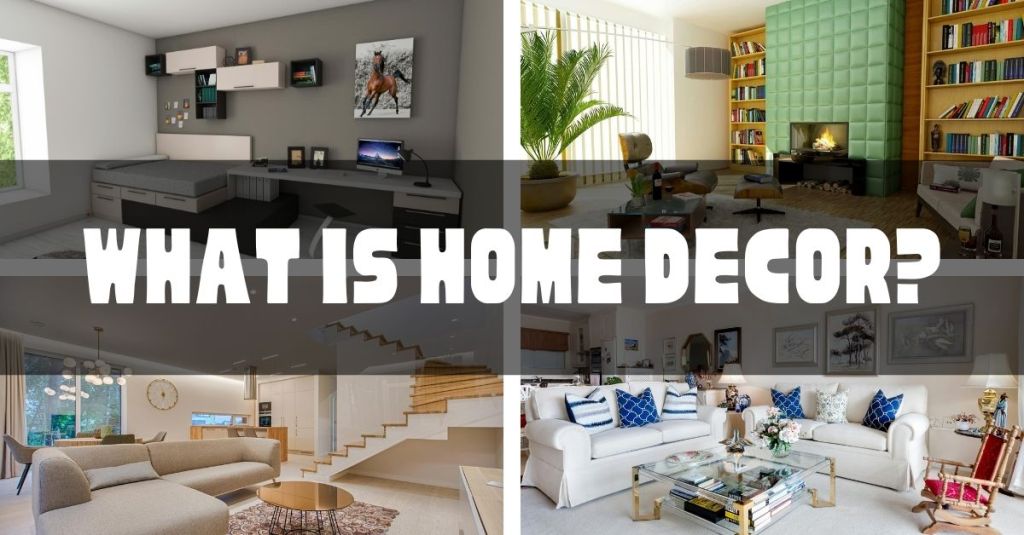
Home decor is more than just placing furniture in a room or hanging art on a wall. It is the thoughtful process of designing, styling, and arranging your living space so it reflects your personality, supports your lifestyle, and creates comfort and visual harmony. If you are new to home decor, this guide will walk you through every detail—step by step—so you can confidently start decorating your home the right way.
What Exactly Is Home Decor?
Home decor refers to all the visual and functional elements used to enhance the interior of a home. This includes furniture, wall art, color schemes, lighting, textiles, accessories, and decorative objects. Unlike interior construction or renovation, home decor focuses on appearance, mood, and usability, not structural changes.
In simple words, home decor answers these questions:
- How does my home look?
- How does it feel when I live in it?
- Does it reflect my taste and lifestyle?
A well-decorated home feels balanced, welcoming, and intentional—not random.
Why Home Decor Matters More Than You Think
Many people underestimate the impact of home decor, but it directly affects:
1. Mood & Mental Well‑Being
Colors, lighting, and textures influence emotions. Soft neutrals calm the mind, while bold accents energize a space.
2. Functionality
Good decor planning improves how a room works. Proper lighting, furniture placement, and storage make daily life easier.
3. First Impressions
Your home decor speaks before you do. Guests instantly sense whether a space feels cozy, modern, minimal, or cluttered.
4. Personal Identity
Your decor choices reflect who you are—your preferences, culture, and lifestyle.
Core Elements of Home Decor (Explained in Detail)
Understanding these elements is essential before buying anything.
1. Color Scheme

Color is the foundation of home decor. It sets the overall mood of a space.
- Neutral colors (white, beige, gray): Calm, timeless, and flexible
- Warm colors (brown, terracotta): Cozy and inviting
- Cool colors (blue, green): Relaxing and refreshing
- Accent colors: Used sparingly to create visual interest
A good rule is the 60–30–10 rule:
- 60% main color
- 30% secondary color
- 10% accent color
2. Furniture
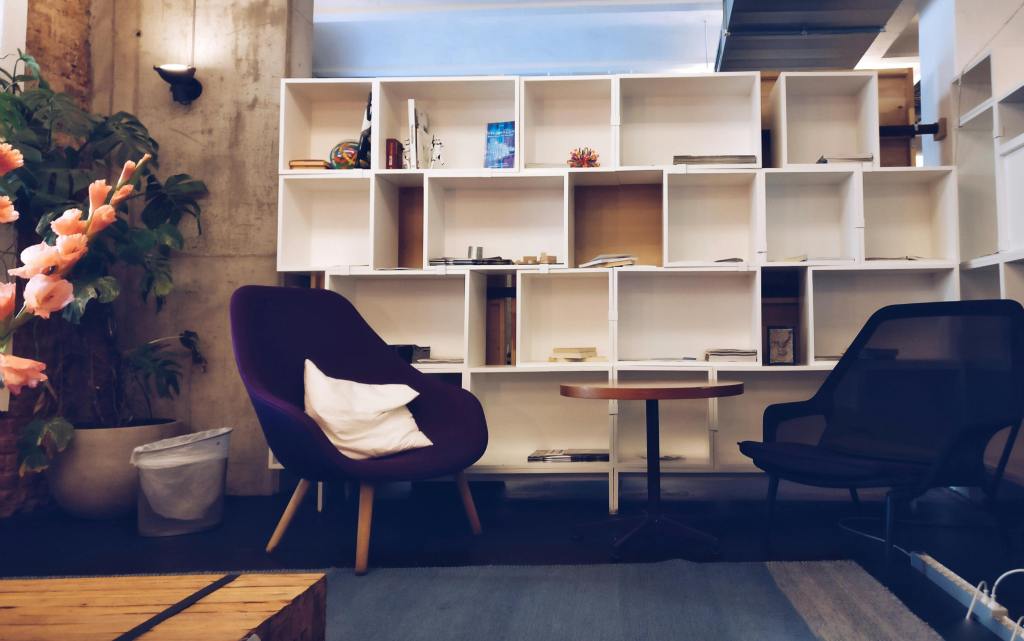
Furniture defines how a room is used. Style, size, and placement matter more than quantity.
Key beginner tips:
- Choose furniture according to room size
- Avoid overcrowding
- Focus on comfort first, style second
3. Wall Decor
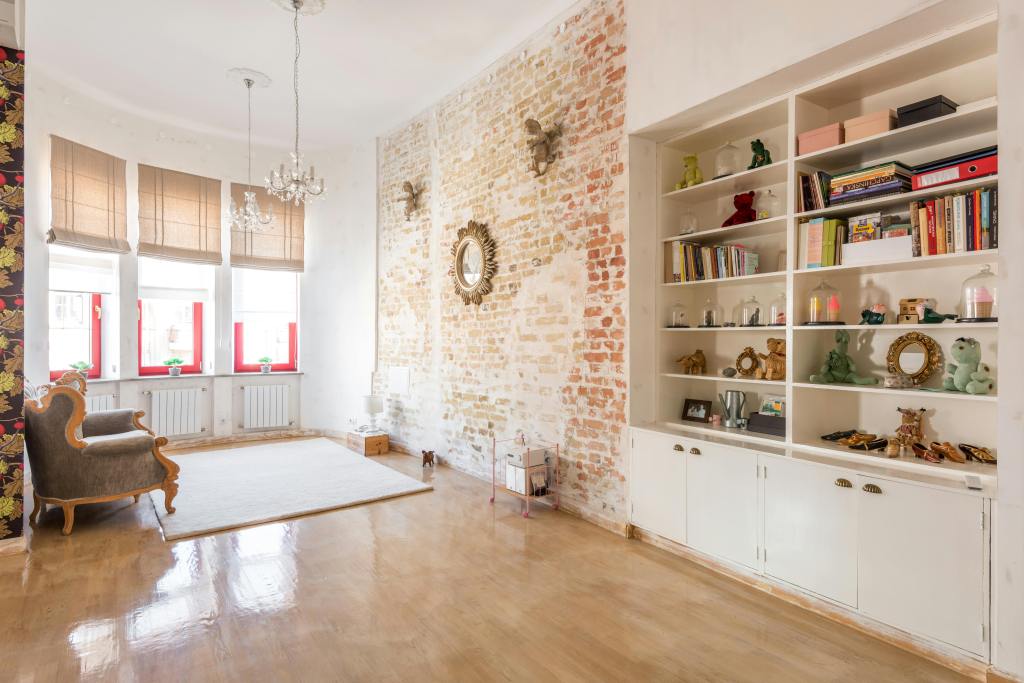
Walls are often the most underused part of a home.
Wall decor includes:
- Canvas prints
- Framed art
- Posters
- Gallery walls
- Wall clocks and decorative panels
Wall art adds personality, depth, and emotion to a space. The right artwork can completely change how a room feels.
4. Lighting
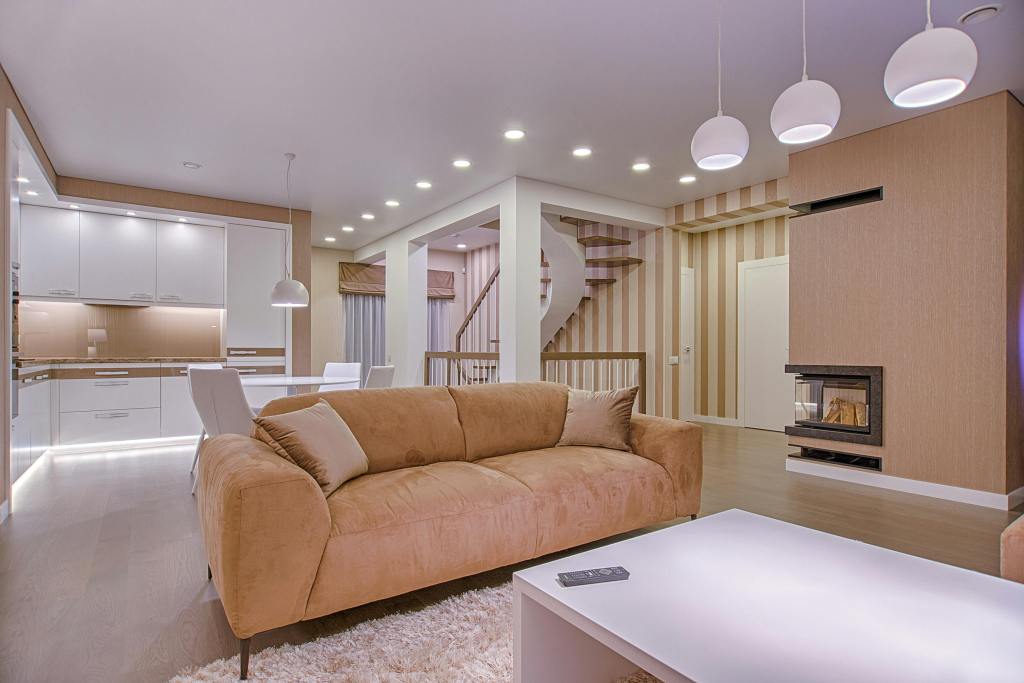
Lighting is not just functional—it is decorative.
Types of lighting:
- Ambient lighting: Overall room light
- Task lighting: Reading, working
- Accent lighting: Highlights decor and art
Warm lighting creates coziness, while cool lighting feels modern and energetic.
5. Textures & Materials
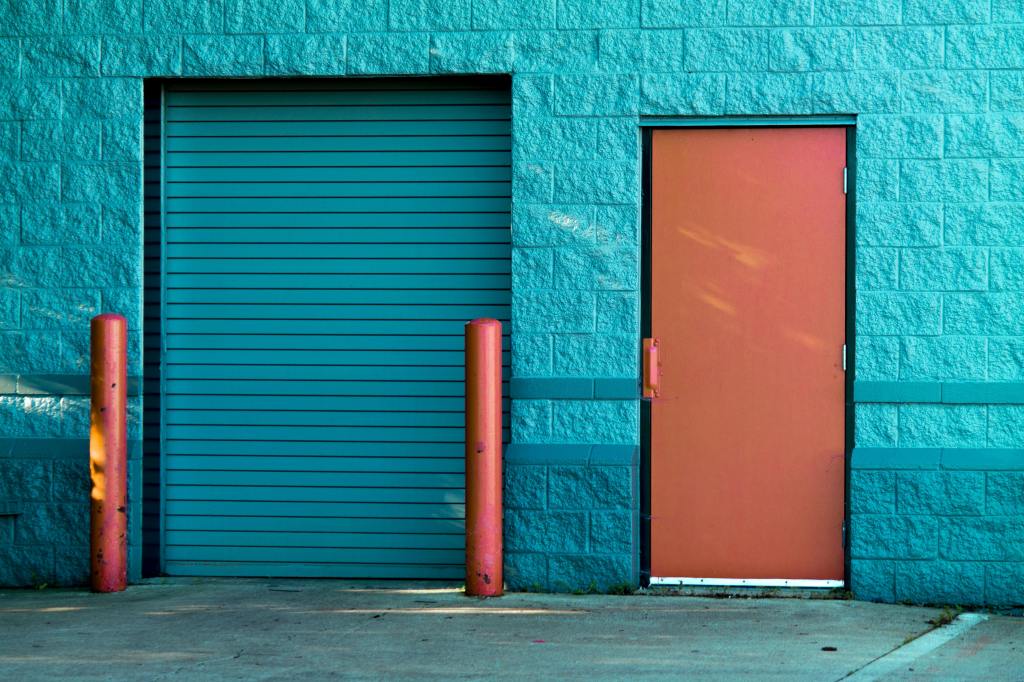
Texture prevents a room from looking flat.
Examples:
- Wood adds warmth
- Metal adds modern contrast
- Fabric adds softness
- Glass adds openness
Mixing textures creates visual richness.
Home Decor vs Interior Design (Important Difference)
Many beginners confuse these two terms.
- Interior design involves technical planning, layouts, and renovations
- Home decor focuses on styling, accessories, and visual appeal
You don’t need professional training to decorate your home beautifully.
Common Beginner Mistakes in Home Decor
Avoid these mistakes early:
- Buying decor without a plan
- Matching everything too perfectly
- Ignoring wall space
- Using incorrect lighting
- Following trends blindly
Good decor is intentional, not impulsive.
How to Start Home Decorating (Step‑by‑Step)
Step 1: Observe Your Space
Understand room size, natural light, and existing colors.
Step 2: Choose a Style Direction
Modern, minimal, boho, classic, or mixed.
Step 3: Build Around Key Pieces
Start with furniture, then add wall art and accessories.
Step 4: Add Layers
Lighting, textiles, and decor details.
Step 5: Edit & Refine
Remove anything that feels unnecessary.
How Wall Art Plays a Key Role in Home Decor
Wall art is one of the easiest ways to transform a space without renovation. A single large canvas can become a focal point, while a set of framed prints can tell a visual story.
Wall decor helps:
- Fill empty walls
- Add color and personality
- Tie the room’s theme together
Choosing the right art makes your home feel complete.
The Bottom Line
Home decor is not about perfection—it’s about creating a space that feels right to you. When you understand the basics of color, furniture, wall decor, lighting, and texture, decorating becomes enjoyable instead of overwhelming.
This post is the foundation of our 50‑part Home Decor Guidance Series. In the next post, we’ll explore how to choose a home decor style that truly fits your personality and space.
👉 Explore wall art, canvas prints, and decor pieces that elevate your space and bring your vision to life.
Next in the series: How to Choose a Home Decor Style (Modern, Minimal, Boho & More)
Image source: pexels


Leave a comment