
Introduction
Sometimes a room doesn’t need a complete makeover. It simply needs a little styling.
You can have beautiful furniture, colorful accents, and nice accessories but your decorating job might still feel incomplete. Sometimes, the problem is not in what you have, but in how different items are placed in relation to each other
A well-furnished space has pieces that complement each other, creating a harmonious composition. Seats are located at an appropriate distance from tables, so that the room does not look cluttered, decor items have enough space around them, colors repeat in accessories, and objects necessary for daily life are stored in organized manner rather than lying around.
The good news is, you do not need to embark on a furniture buying spree in order to achieve this look.
In this guide, we’ll explore 15 home styling tips that can help make your rooms feel more cohesive, comfortable, and polished. Some involve simple rearrangements, while others can be achieved with a carefully chosen accessory or two.
Let’s get started.
1. Start With a Clear Focal Point 👀
Every room benefits from having something that naturally catches your attention when you walk in.
This doesn’t necessarily mean you need a dramatic or expensive statement piece. A fireplace, large window, artwork, architectural feature, or even an interesting piece of furniture can serve as the room’s focal point.
Once you’ve identified it, arrange the surrounding furniture and accessories so they support that feature rather than compete with it.
For example, in a living room, your focal point might be a large artwork above the sofa. In a bedroom, it could be the bed and headboard. In a dining area, the table or a striking light fixture might take center stage.
A Simple Rule
If you look around the room and your eyes don’t know where to settle, there may be too many competing elements.
Choose one main attraction, then let the rest of the room complement it.
✨ Worth Considering
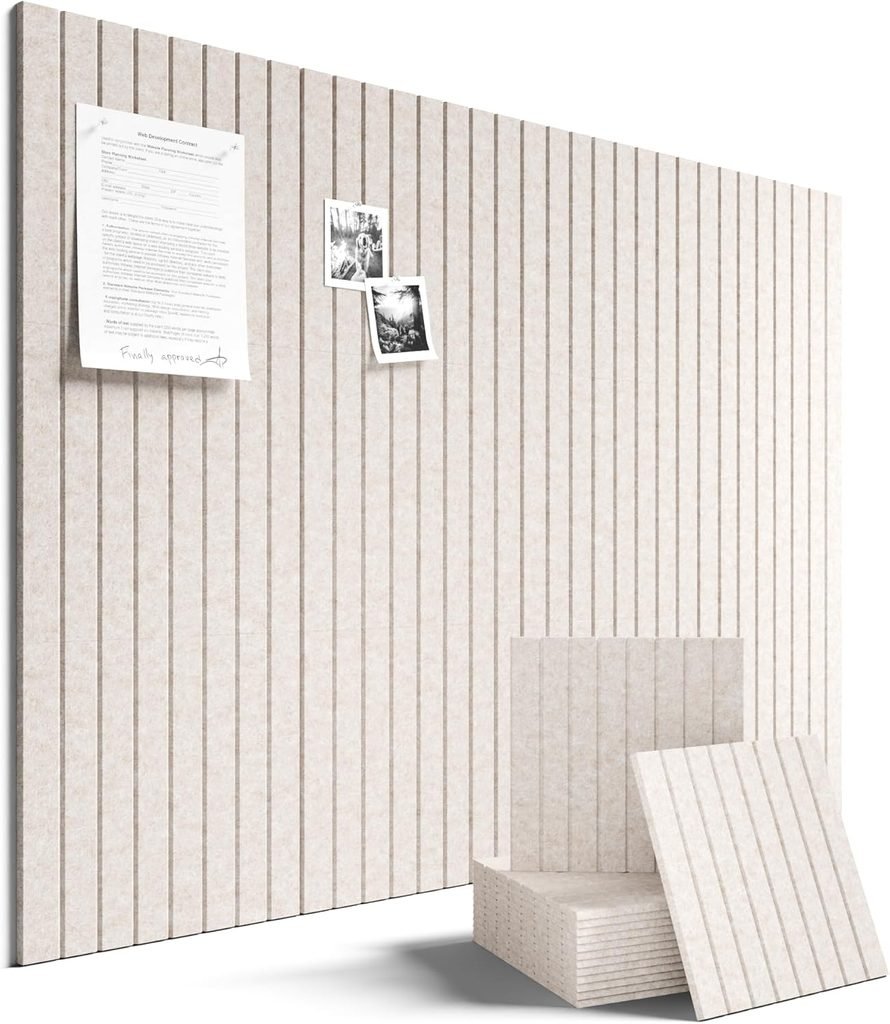
A large decorative wall panel can create a strong focal point without requiring a complete change to your furniture arrangement.
👉 Check the Latest Price on Amazon
2. Give Your Furniture Some Breathing Room 🛋️
One of the easiest ways to make a room look more polished is to stop pushing every piece of furniture as close together as possible.
Furniture needs breathing room.
Your sofa doesn’t need to touch the side table, your chairs don’t need to be pushed tight around the coffee table, and your walls don’t need to be overrun with cabinets and knick-knacks.
There needs to be breathing room, open space to give the illusion of more room.
Think About Movement
Walk through the room the way you normally would.
Can you comfortably reach the sofa? Can you open the cabinet? Is there enough space around the dining chairs?
If the answer is no, rearranging what you already own may improve the room more than buying something new.
💡 A Small Addition
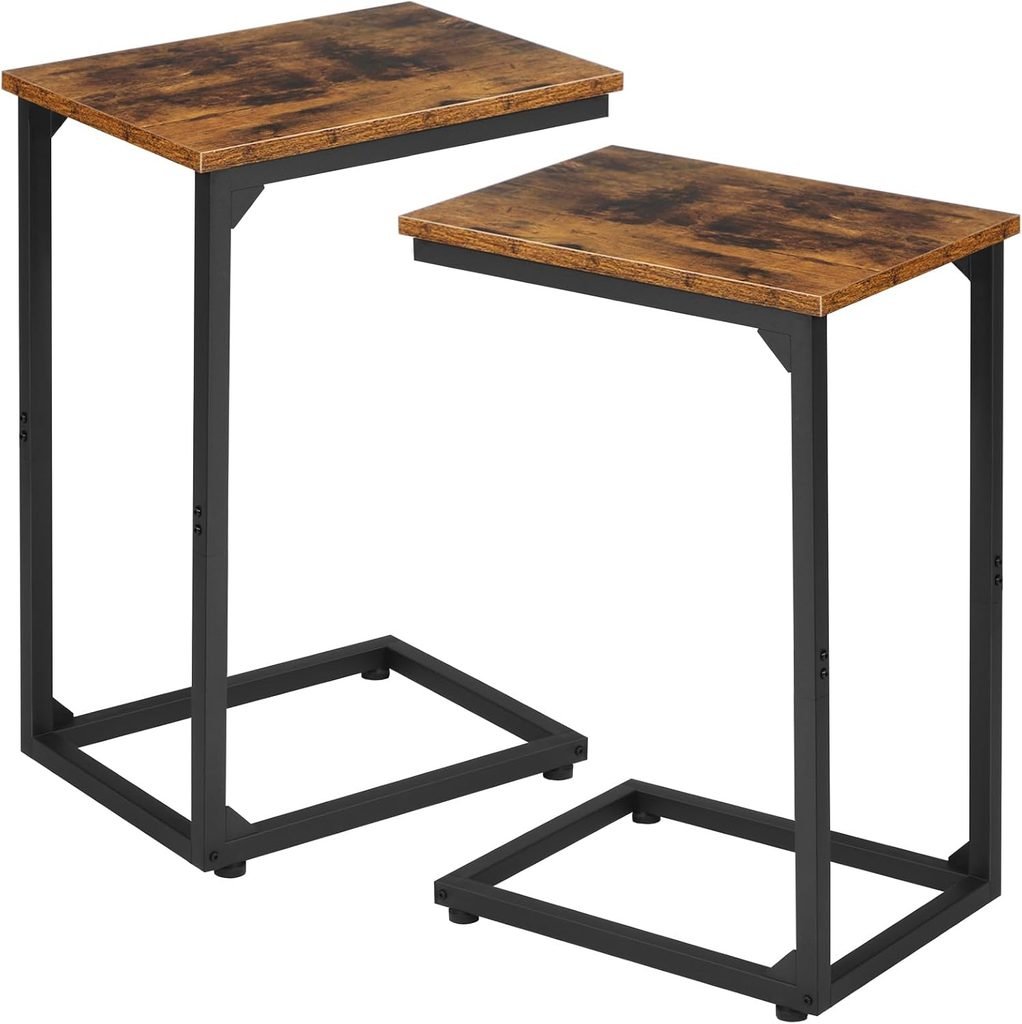
A slim side table can provide useful surface space while maintaining comfortable clearance around larger furniture.
👉 Check the Latest Price on Amazon
3. Layer Different Materials 🪵
A room can have beautiful furniture and still feel a little flat if everything has the same finish.
One of the easiest home styling tips is to combine materials that create different visual and tactile qualities.
For example, a smooth wooden surface becomes more interesting when placed near woven fabric. A ceramic accessory can add contrast beside metal, while glass can introduce a lighter, more reflective element.
Try combining materials such as:
- Wood
- Ceramic
- Glass
- Metal
- Linen
- Woven fibers
- Stone
You don’t need every material in one room. Two or three contrasting finishes are usually enough to create more depth.
Think Beyond Color
Styling isn’t only about matching colors.
Imagine a room with cream walls, a wooden table, and neutral furniture. Adding a textured ceramic object or a woven accessory can make the room feel much more layered without introducing another strong color.
✨ Worth Considering
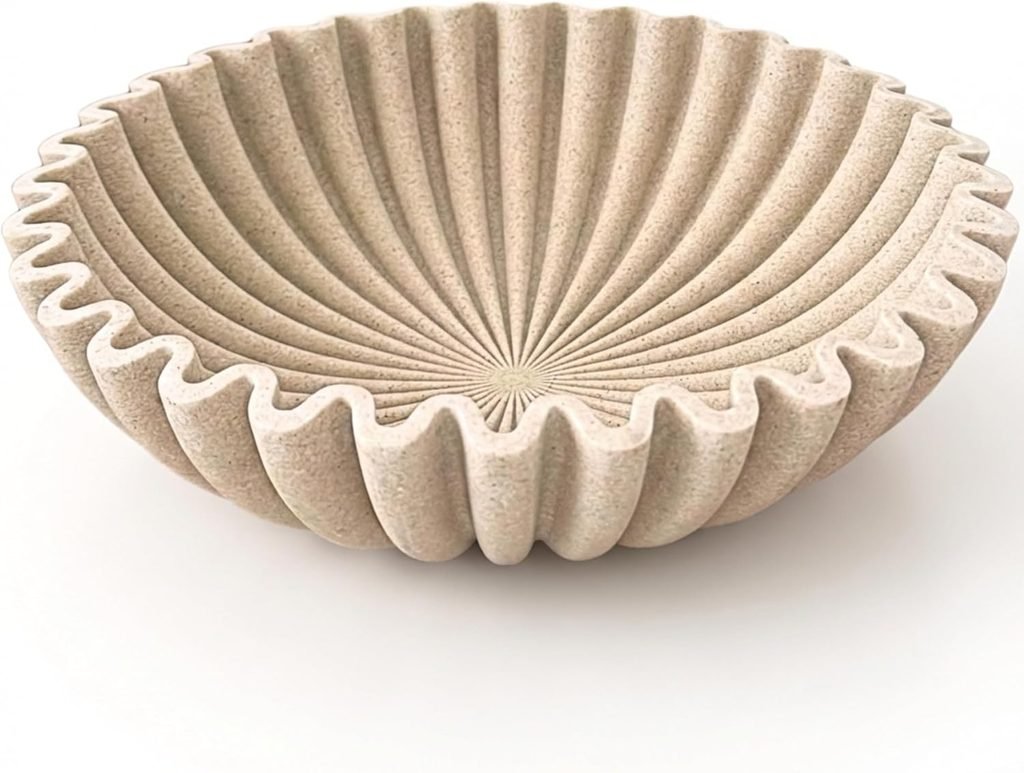
A textured ceramic decorative bowl can add shape and material contrast to a coffee table, console, dining table, or open shelf.
👉 Check the Latest Price on Amazon
4. Create Visual Balance ⚖️
Balance is one of those decorating principles you may not consciously notice until it’s missing.
A room can feel awkward when one side is visually heavy while the other side looks almost empty.
This doesn’t mean both sides need to be identical.
Instead, think about the visual weight of your furniture and accessories.
For example, a large cabinet on one side of a room might be balanced by a tall plant or substantial chair on the opposite side.
Symmetry vs. Asymmetry
Symmetrical arrangements are easy to understand:
Lamp + nightstand + bed + nightstand + lamp
But you don’t have to make everything perfectly symmetrical.
An asymmetrical arrangement can feel more relaxed and natural when the overall visual weight remains balanced.
For example:
Large artwork on one side + two smaller decorative pieces on the other
The objects are different, but the composition can still feel harmonious.
💡 A Simple Styling Tool
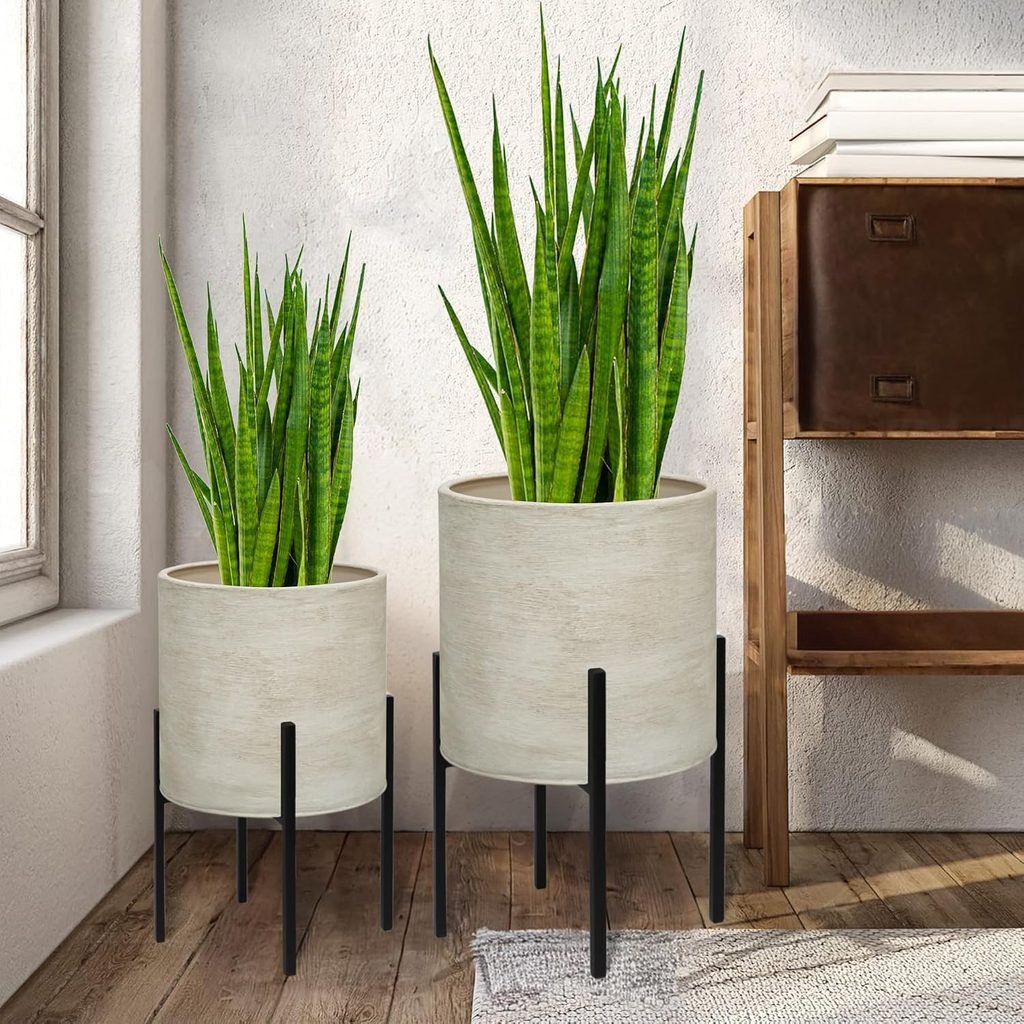
A large decorative floor planter can help fill an empty vertical area and visually balance larger furniture without adding another bulky piece.
👉 Check the Latest Price on Amazon
5. Style Surfaces in Groups, Not Rows 🏺
Coffee tables, consoles, shelves, and dressers often become cluttered because we place objects wherever there happens to be an empty spot.
Instead, try grouping accessories together.
A small group of three objects can look much more intentional than six individual items scattered across a surface.
For example, on a console you could combine:
- One taller object
- One medium-sized decorative piece
- One smaller item
The different heights create a more dynamic arrangement.
Leave Some Empty Space
Don’t cover the entire surface.
Empty areas are important because they give your decorative pieces room to stand out.
If every inch of the table is occupied, even attractive objects can start to look messy.
A Useful Formula
Try:
Tall + medium + small
or
Object + books + decorative accessory
Then step back and look at the arrangement from a distance.
If it feels crowded, remove one item.
✨ Shop This Look
A decorative pedestal or display stand can add height to a tabletop arrangement, allowing smaller accessories to be displayed at different levels.
👉 Check the Latest Price on Amazon
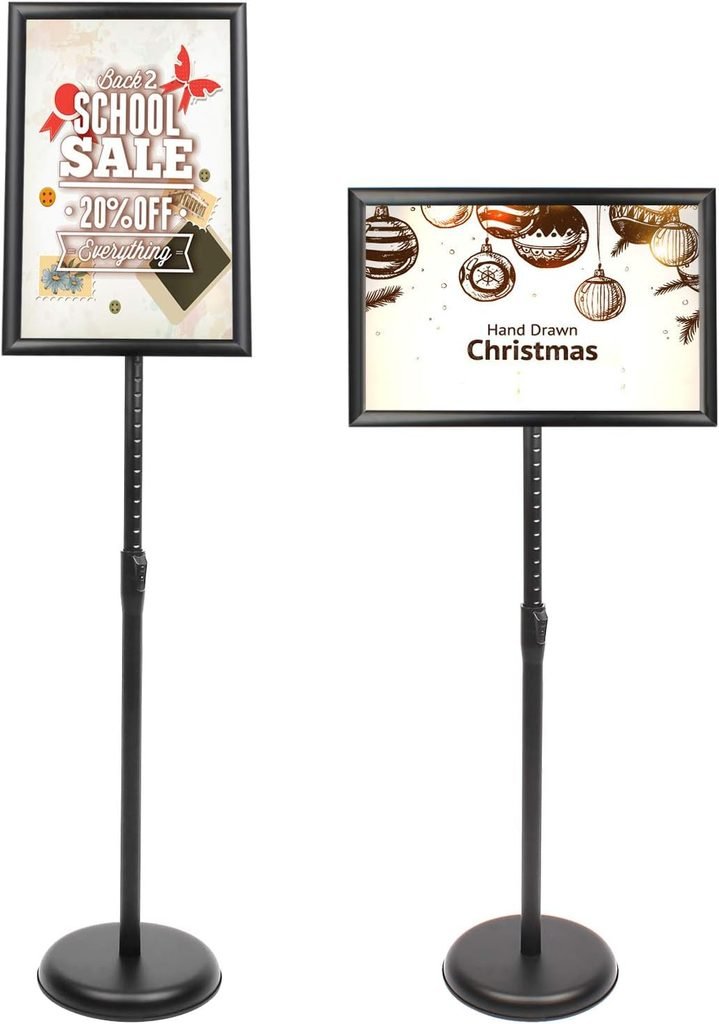
6. Mix Heights and Shapes 📐
If everything in a room is the same height and shape, the overall arrangement can feel predictable.
Introducing variation creates movement and keeps the eye interested.
For example, instead of placing three objects that are all short and rectangular on a shelf, combine a tall vase-like form with a low bowl and a medium-sized decorative object.
You can do the same thing with furniture.
A low coffee table beside a taller floor-standing piece creates contrast. A rounded accessory can soften a collection of straight-edged furniture.
Don’t Make Everything Compete
Variation is useful, but too much variety can become distracting.
Choose a few different shapes and repeat them subtly throughout the room.
For example:
Rounded accessories + rectangular furniture + organic textures
This gives the room variety while maintaining a sense of connection.
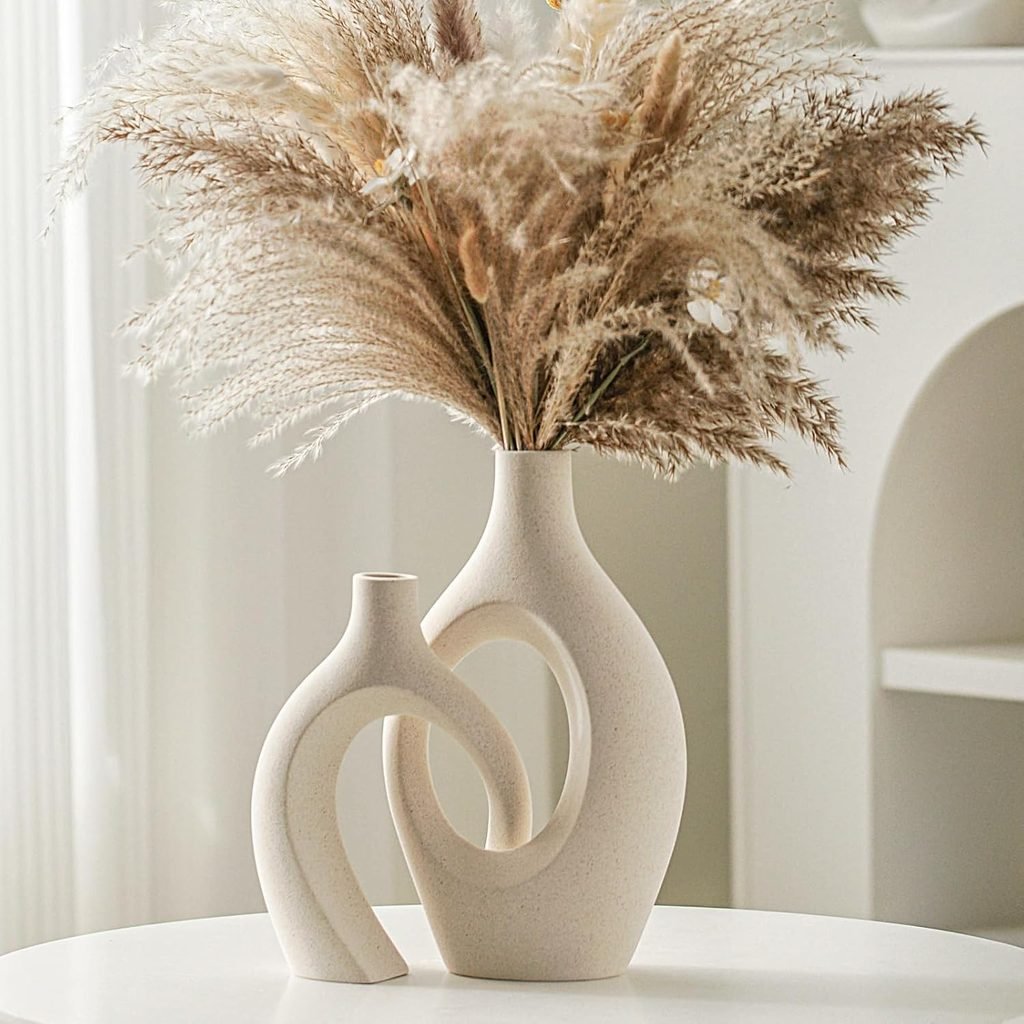
🛍️ A Practical Choice
A sculptural tabletop object can introduce an unusual shape without requiring you to replace any major furniture.
Place it on a console, bookshelf, dresser, or side table where it can act as a small visual accent.
👉 Check the Latest Price on Amazon
7. Repeat Colors Around the Room 🎨
A room usually feels more connected when the same colors appear in several different places.
You don’t have to match everything perfectly. Instead, choose one or two accent colors and repeat them subtly throughout the space.
For example, if you have a muted green cushion on the sofa, you could echo that shade in a small piece of artwork, a ceramic accessory, or a decorative object on a shelf.
This creates a visual connection between different areas of the room.
Try the 3-Place Rule
Choose an accent color and use it in roughly three different spots.
For example:
Blue cushion → blue artwork → blue decorative accessory
The items don’t need to be identical. They simply need to share a similar color family.
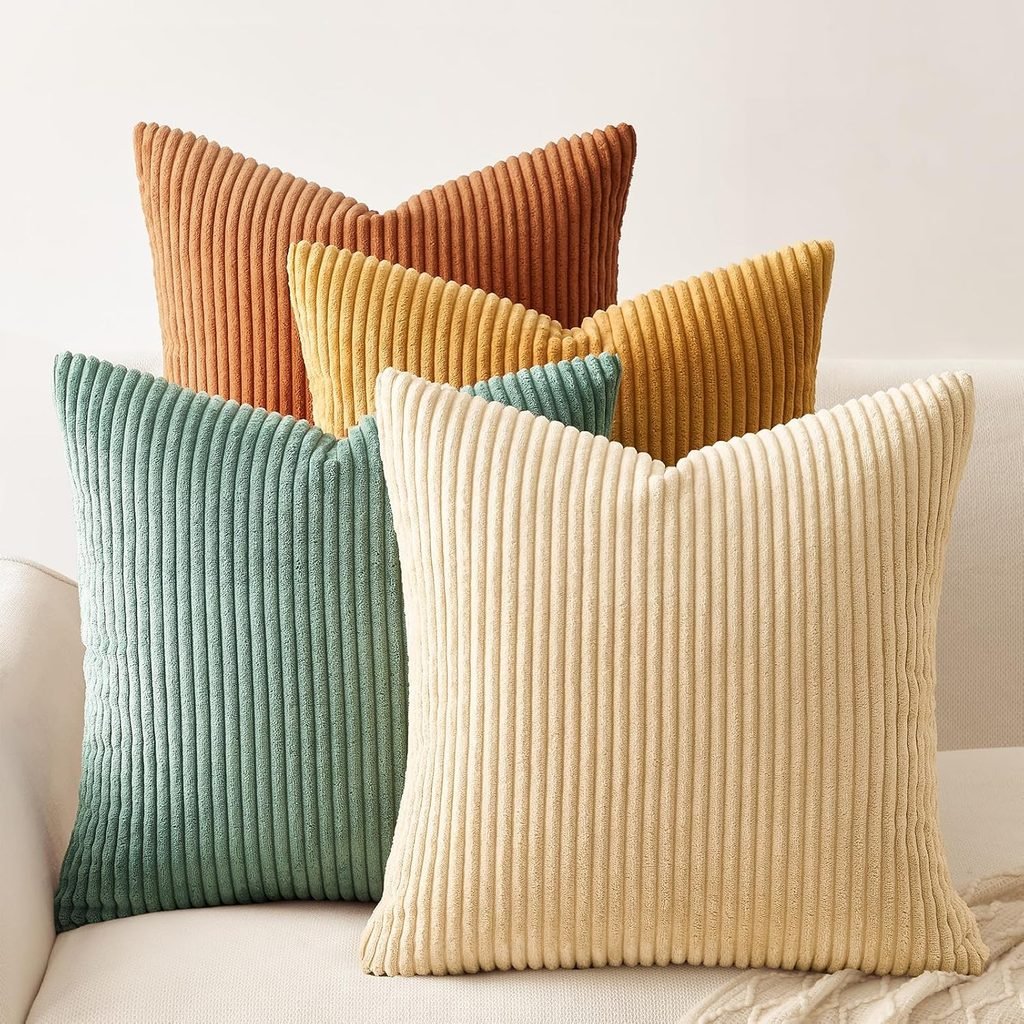
✨ A Simple Upgrade
A decorative accent pillow cover in a carefully chosen color can help introduce a new shade without committing to a larger furniture or paint change.
👉 Check the Latest Price on Amazon
8. Use Empty Space Intentionally 🤍
Empty space isn’t something you always need to fill.
In fact, leaving certain areas open can make a room look more sophisticated.
When every shelf, wall, corner, and tabletop is decorated, the eye has too many things to process. The result can feel cluttered even when the individual pieces are attractive.
Instead, give your favorite furniture and accessories enough space to stand out.
Where Empty Space Helps Most
Consider leaving some breathing room:
- Between pieces of furniture
- Around artwork
- On bookshelves
- On coffee tables
- Around decorative objects
- Along walkways
Think of empty space as part of the design rather than wasted space.
A Simple Test
Take a photograph of the room.
Sometimes clutter that doesn’t seem obvious in person becomes much easier to spot in a photo.
If one area looks especially busy, remove one or two objects and compare the result.
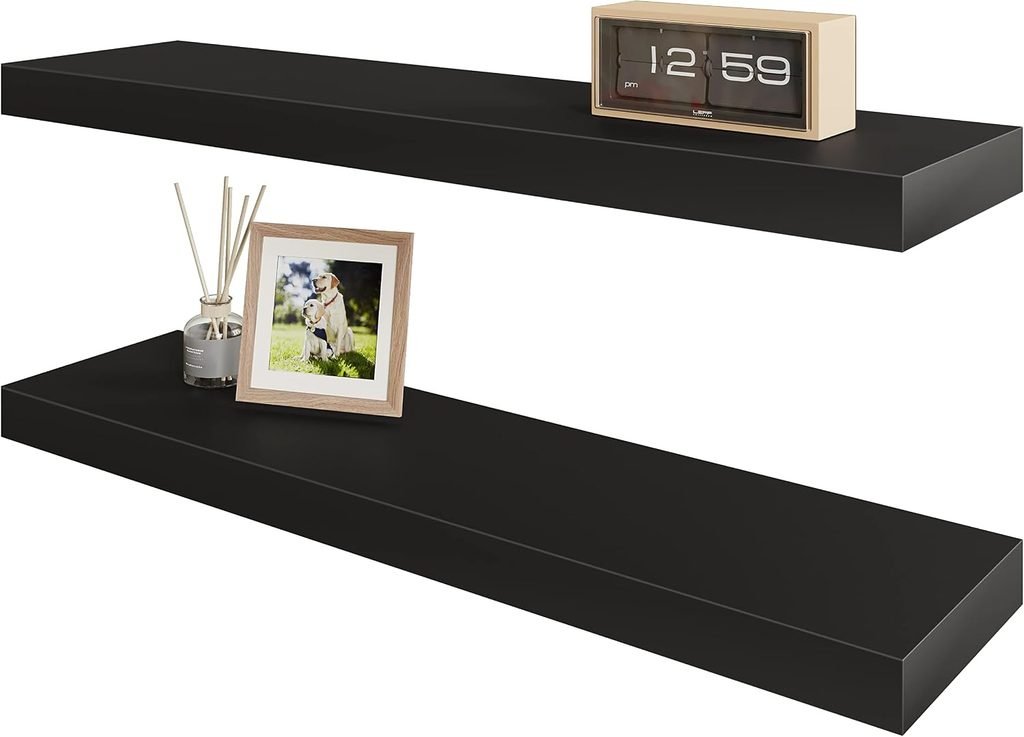
💡 Product to Consider
A minimalist wall-mounted shelf can give you a dedicated display area while keeping the floor clear and reducing the temptation to fill every available surface.
👉 Check the Latest Price on Amazon
9. Make Everyday Items Look Organized 🏠
Not everything in your home is decorative—and that’s completely fine.
Remote controls, keys, chargers, mail, blankets, toiletries, and other everyday necessities are part of normal life.
The trick is to give those items a visually organized home.
Instead of leaving everything scattered across countertops and furniture, use attractive storage that fits naturally into your decor.
For example:
Keys → entryway tray
Remotes → small storage box
Blankets → attractive basket
Mail → desktop organizer
Bathroom products → matching containers
This makes your home easier to maintain while keeping useful items within reach.
Don’t Hide Everything
You don’t have to put every functional item behind a cabinet door.
Some everyday objects can remain visible if they’re arranged neatly and presented as part of the room.
The goal is organized, not sterile.
🛍️ A Practical Choice
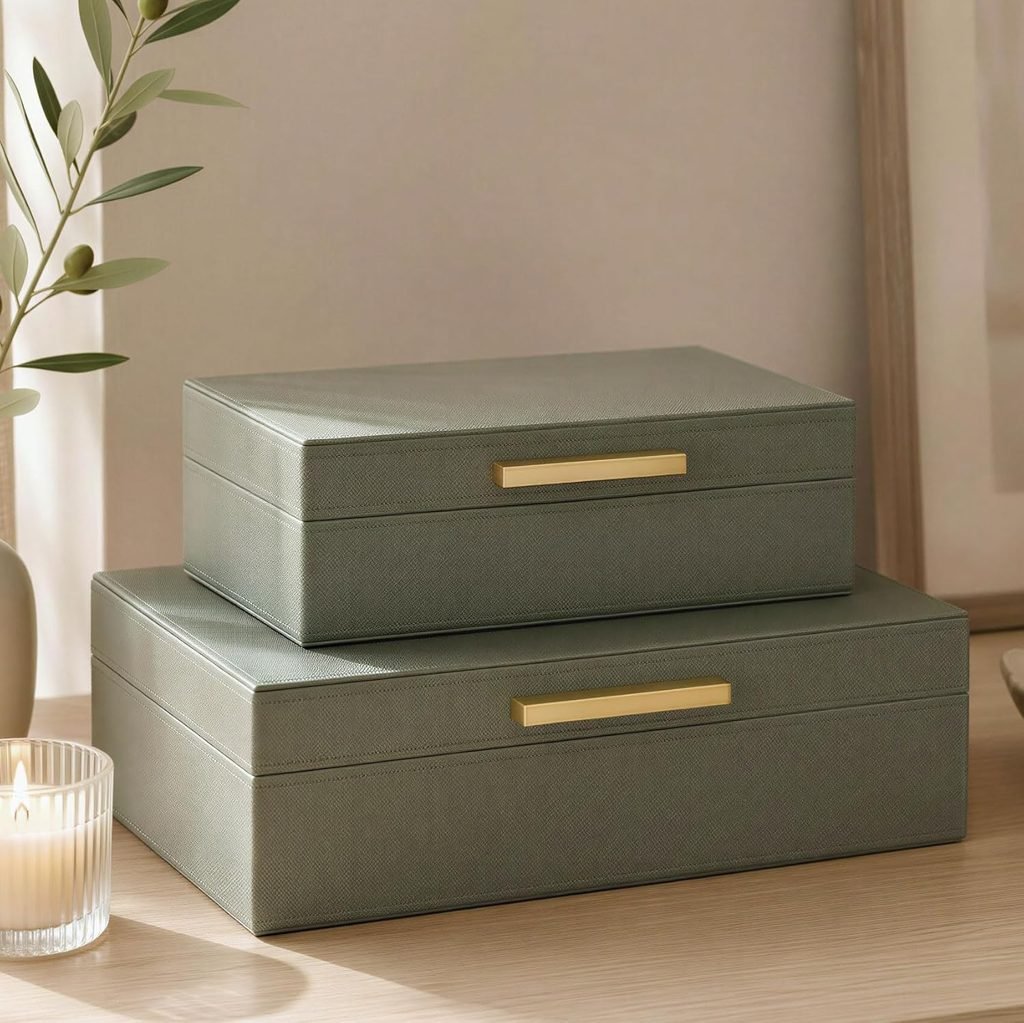
A decorative storage box with a lid can conceal small everyday items while looking like an intentional part of your styling.
👉 Check the Latest Price on Amazon
10. Add One Unexpected Detail ✨
A room becomes much more memorable when it contains something that isn’t completely predictable.
After you’ve established a cohesive foundation, introduce one unexpected element.
It could be a bold shape, unusual artwork, an interesting vintage-inspired object, or an accent in a color that isn’t used everywhere else.
For example, imagine a calm neutral living room with natural wood furniture. Adding one sculptural black accessory or an unusual piece of artwork can give the room a little personality.
Keep It Controlled
The unexpected piece should complement the room rather than completely overpower it.
Think of it as a conversation starter—not the entire conversation.
You can also use this technique to bring personality into bedrooms, dining areas, entryways, or home offices.
✨ Worth Considering
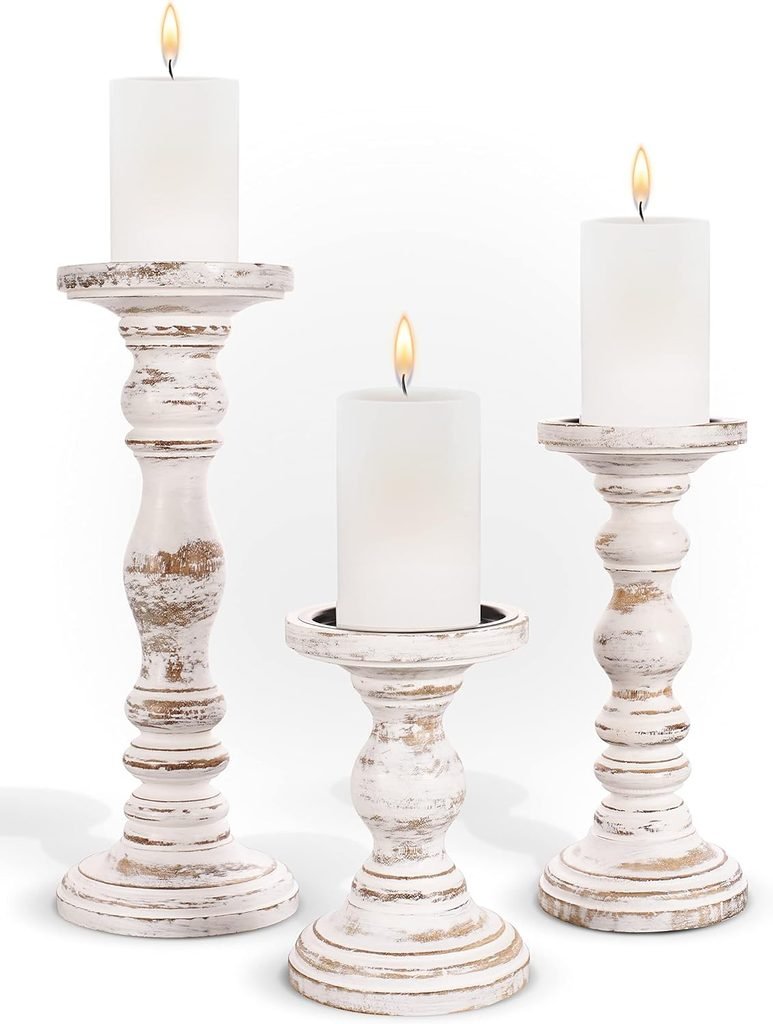
A unique sculptural candle holder can add an unexpected shape and decorative detail to a coffee table, console, shelf, or dining table.
👉 Check the Latest Price on Amazon
11. Balance Practical and Decorative Pieces 🏠
A well-styled room isn’t just about how things look. It should also work well for everyday life.
If every item is purely decorative, you may end up with a beautiful room that’s difficult to use. On the other hand, if everything is chosen only for function, the space can feel plain.
The sweet spot is to combine both.
For example, a dining table can be styled with a centerpiece that looks attractive but can easily be moved when you’re eating. A bedroom dresser can hold useful everyday items while also displaying one or two carefully selected accessories.
Before adding something new, ask yourself:
“Does this improve the room in some way?”
It doesn’t necessarily need to solve a practical problem. It might add texture, introduce color, create balance, or simply make you happy when you see it.
✨ A Useful Addition
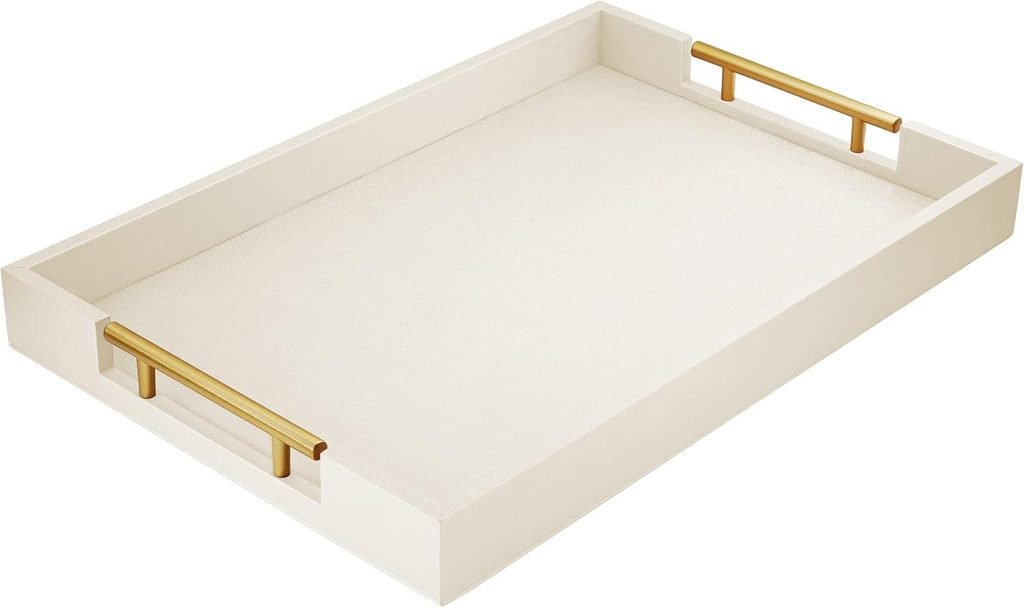
A decorative serving tray can combine style and function by keeping small items grouped together while giving your tabletop arrangement a more finished appearance.
👉 Check the Latest Price on Amazon
12. Create Better Transitions Between Rooms 🚪
Your home shouldn’t feel like a collection of completely unrelated spaces.
Even when different rooms have their own personalities, repeating certain colors, materials, or design details can create a stronger connection throughout the home.
For example, if warm wood appears in your living room, you could echo a similar tone in the dining area or hallway.
You can also repeat:
- Similar metal finishes
- Complementary colors
- Related textures
- Similar artwork styles
- Consistent decorative materials
This doesn’t mean every room needs to look identical.
Instead, think of your home as a story where each room is a different chapter.
💡 Product to Consider
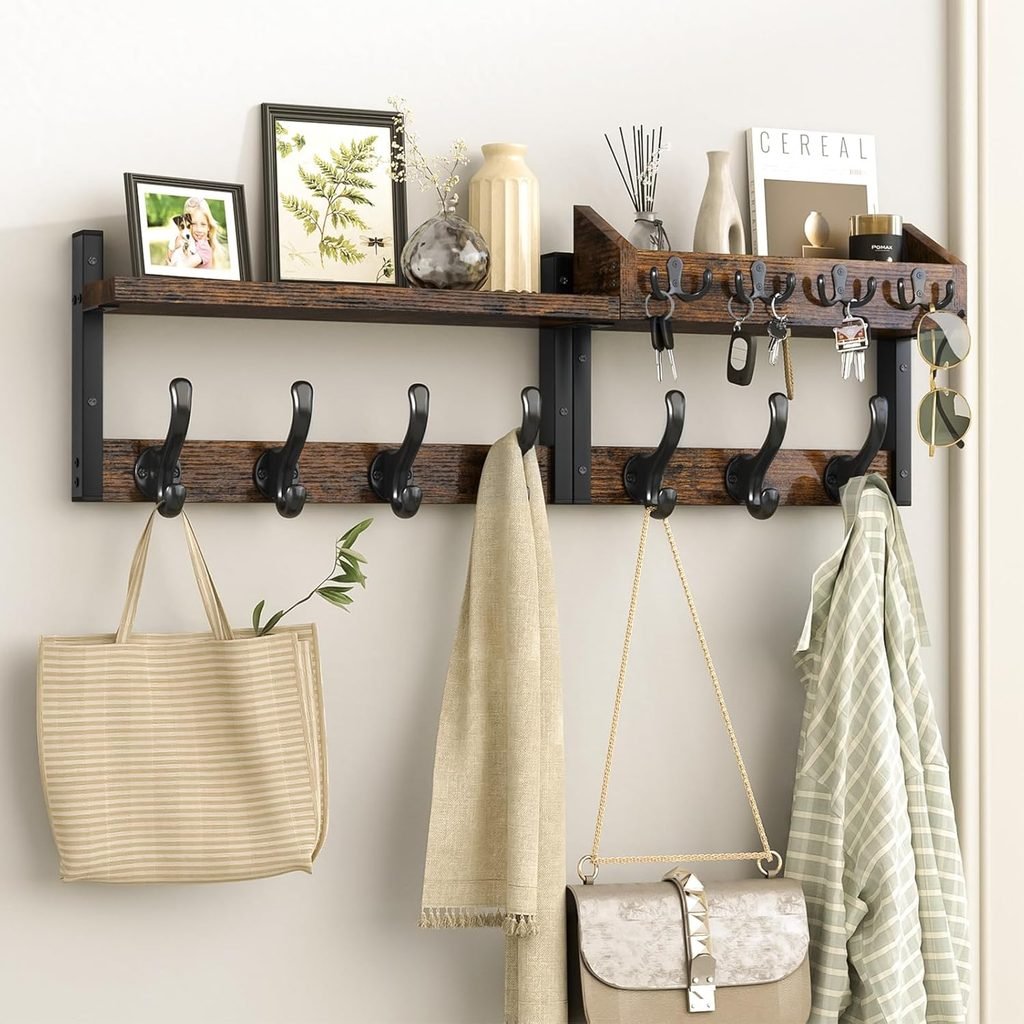
A coordinated set of decorative wall hooks can add both function and visual continuity to an entryway, hallway, or mudroom.
👉 Check the Latest Price on Amazon
13. Refresh a Room Without Replacing the Furniture 🔄
If your room feels outdated, your first instinct might be to replace the sofa, dining table, or bedroom furniture.
Before doing that, try styling what you already own.
Sometimes a room looks tired simply because the accessories haven’t changed in years.
You can create a fresh appearance by:
- Rearranging furniture
- Changing accent colors
- Updating small accessories
- Reorganizing shelves
- Switching artwork
- Introducing a new texture
- Removing unnecessary items
Even moving a piece of furniture to a different position can completely change how the room feels.
The One-Change Experiment
Pick one area that feels particularly dull.
Instead of changing the entire room, make one noticeable adjustment.
For example, refresh the console table or redesign one bookshelf.
If you like the result, move on to another area.
This approach keeps decorating manageable and prevents unnecessary spending.
🛍️ A Simple Upgrade
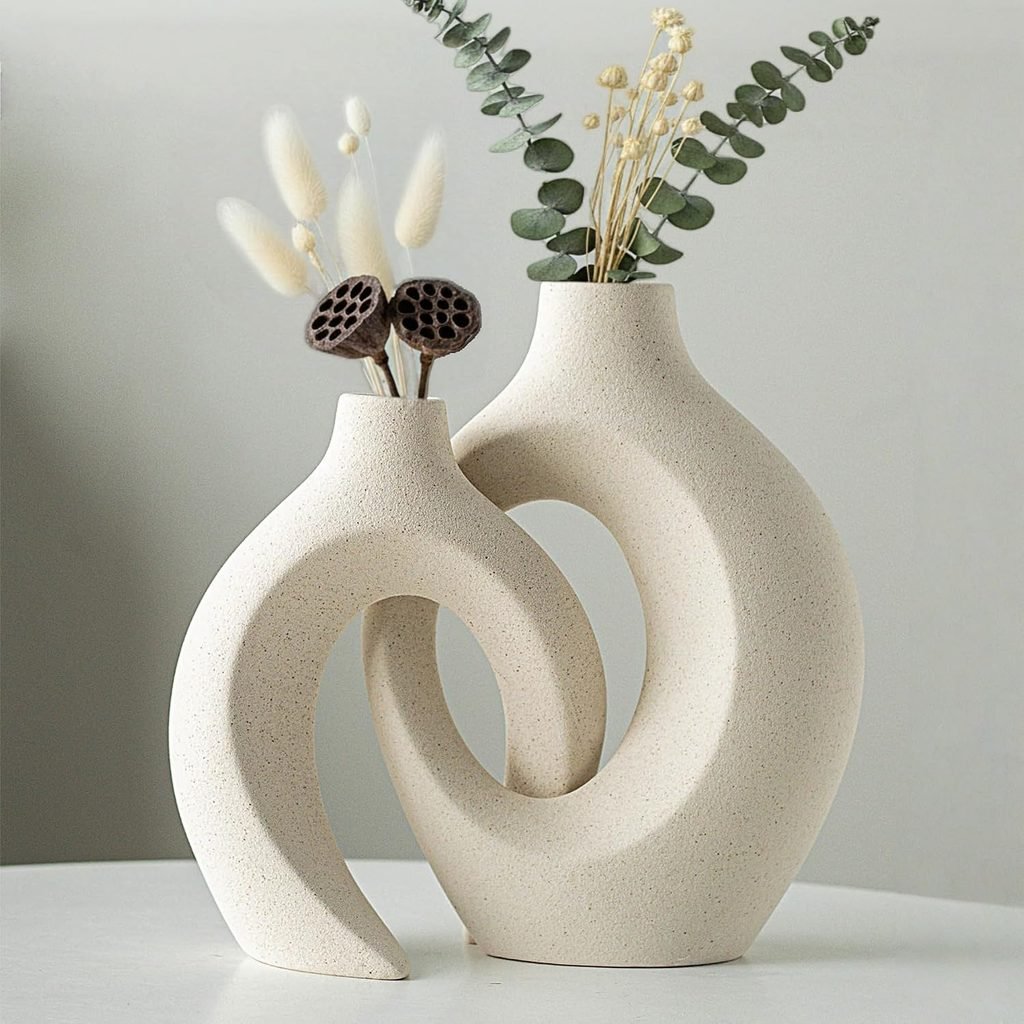
A decorative tabletop vase with an interesting shape can refresh a console, dining table, or shelf without requiring you to change the larger furniture around it.
👉 Check the Latest Price on Amazon
14. Know When to Stop Decorating ✋
This might be one of the most overlooked home styling tips.
Sometimes the room is already finished—you just haven’t realized it yet.
It’s easy to keep adding accessories because an empty corner or shelf can make you feel like something is missing.
But more decoration doesn’t automatically create a better room.
Once the main furniture is arranged, the colors feel balanced, and you’ve added a few meaningful details, stop and look at the space from a distance.
If everything feels connected and comfortable, you may not need anything else.
Try the Removal Method
Take away one decorative item from an area that feels crowded.
If the space immediately feels better, you’ve discovered something important: the item wasn’t necessary.
Good styling is often about editing as much as adding.
✨ Worth Considering
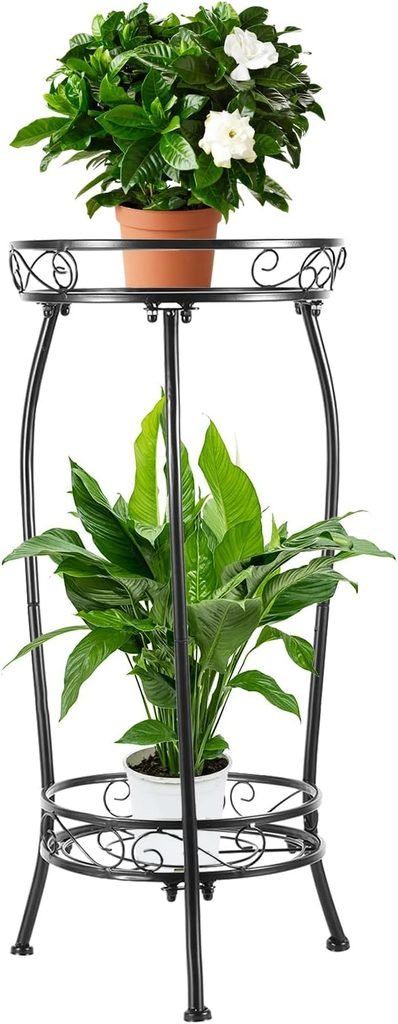
A simple decorative pedestal can help elevate one favorite object without requiring several additional accessories around it.
👉 Check the Latest Price on Amazon
15. Build Your Style Gradually ❤️
The most personal homes rarely appear perfectly decorated overnight.
Your style usually develops as you discover what colors, materials, furniture shapes, and decorative pieces you genuinely enjoy.
Instead of trying to copy an entire room from Pinterest or an interior-design magazine, use those spaces as inspiration.
Pay attention to what specifically attracts you.
Maybe you like:
- Warm wood
- Soft neutral colors
- Vintage details
- Bold artwork
- Natural materials
- Minimal furniture
- Layered textures
Once you understand those preferences, decorating becomes much easier.
You can slowly introduce pieces that fit your aesthetic rather than constantly replacing things whenever a new trend appears.
The Long-Term Approach
Buy fewer pieces, but give yourself time to find things you actually love.
A home doesn’t need to look finished immediately.
Some of the most interesting interiors develop naturally over time as their owners collect objects, artwork, furniture, and memories.
🏡 A Personal Touch
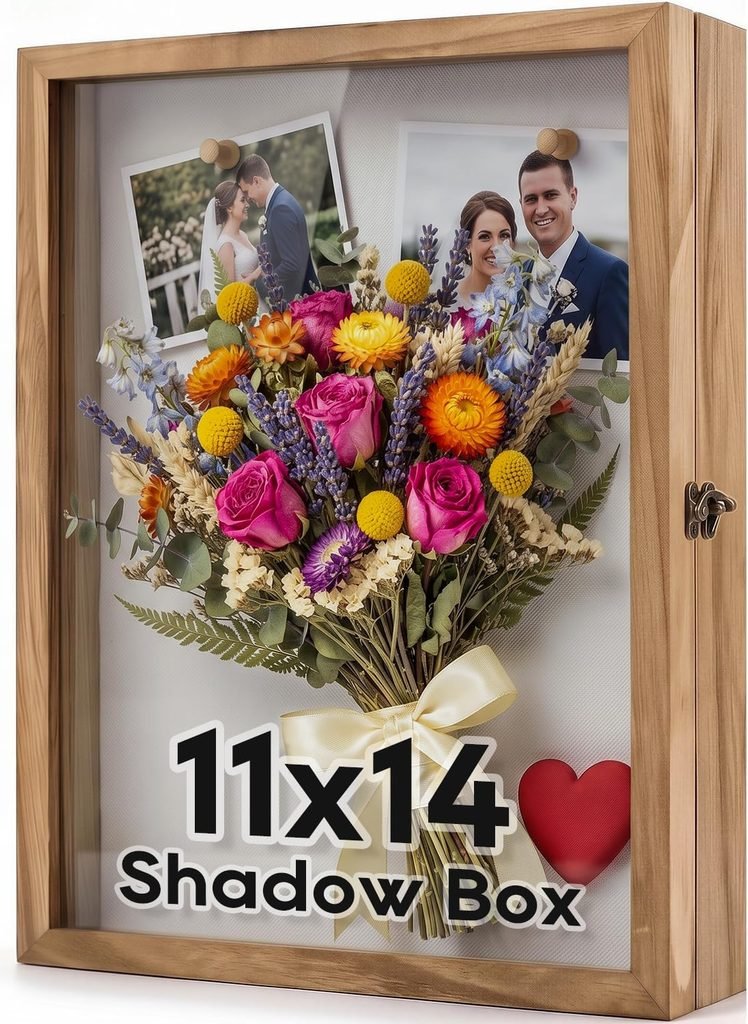
A display frame or shadow box can give you a dedicated place to showcase a meaningful object, photograph, or small keepsake.
👉 Check the Latest Price on Amazon
A Simple Home Styling Checklist ✅
Before you consider a room finished, run through this quick checklist:
- Focal point: Does the room have somewhere for the eye to settle?
- Spacing: Can you move around comfortably?
- Materials: Are there at least a few contrasting textures?
- Balance: Does one side feel noticeably heavier than the other?
- Color: Do your main shades appear in more than one place?
- Surfaces: Are your tables and shelves intentionally styled?
- Empty space: Have you left some areas open?
- Function: Can you actually use the room comfortably?
- Personality: Does anything in the room tell your story?
- Editing: Is there anything you could remove?
If you can answer these confidently, you’re probably closer to a finished room than you think.
Final Thoughts ✨
Good home styling isn’t about following a strict formula or buying a completely new collection of furniture.
It’s about making thoughtful decisions with the space and pieces you already have.
Give your furniture room to breathe, create a sense of balance, repeat colors naturally, combine different materials, and resist the temptation to decorate every empty surface.
Most importantly, allow your home to develop its own personality.
A beautifully styled room shouldn’t feel like a showroom where nothing can be touched. It should feel comfortable, functional, and unmistakably yours.
Start with one room, make a few intentional changes, and see how much difference small adjustments can make.