
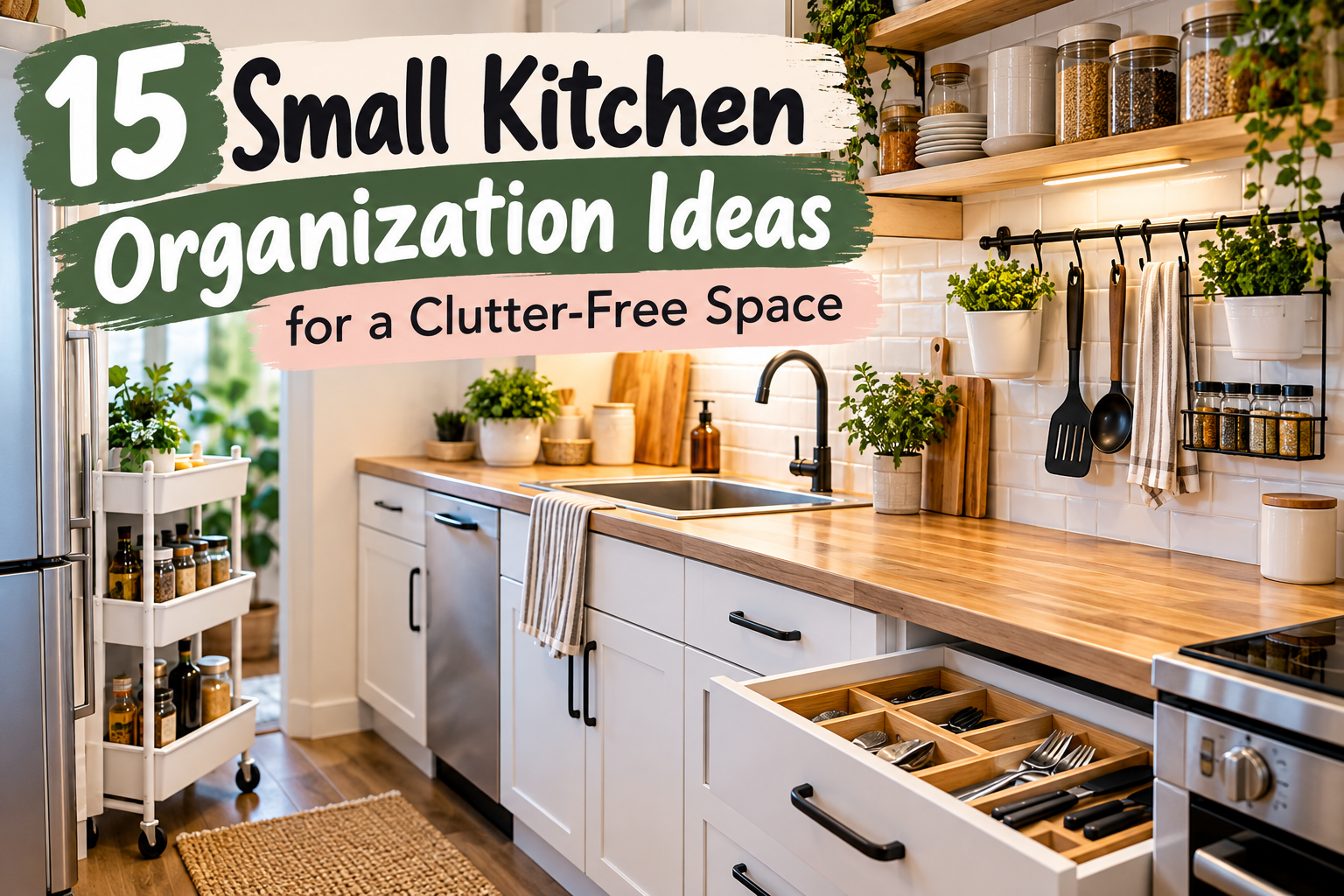
A small kitchen doesn’t have to feel cramped, messy, or impossible to organize.
The problem is usually not the size of the kitchen itself. It’s how the available space is being used. Counters become storage areas, cabinets fill up with things you rarely use, and small gaps between appliances are left completely unused.
The good news? You don’t need a major renovation to make a small kitchen work better.
A few smart storage solutions can free up your countertops, make everyday items easier to reach, and help the whole kitchen feel more spacious.
In this guide, you’ll find 15 small kitchen organization ideas that work especially well in apartments, compact homes, and kitchens with limited cabinet space.
1. Use the Space Above Your Cabinets
If your kitchen cabinets don’t reach the ceiling, you probably have a useful storage area sitting above them.
Instead of leaving this space completely empty, use it for items you don’t need every day, such as serving dishes, seasonal kitchenware, baskets, or extra storage containers.
Large baskets can make this area look intentional instead of cluttered.
Just remember that anything stored up there will collect dust, so avoid putting frequently used food or cooking equipment in this spot.
Tip: Keep everyday items at eye level and use the highest spaces for things you only need occasionally.
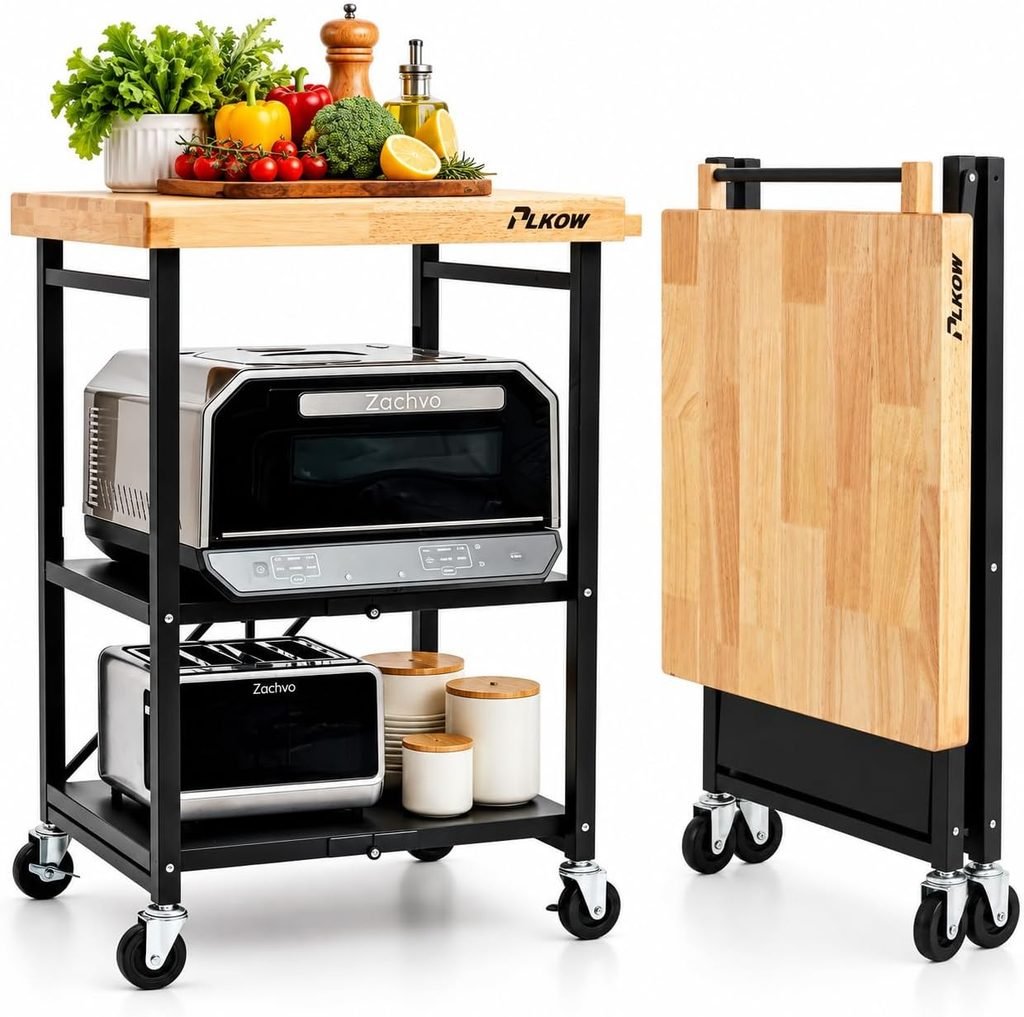
2. Add a Slim Rolling Kitchen Cart
One of the easiest ways to add storage to a small kitchen is with a narrow rolling cart.
These carts are particularly useful when you have a small gap between the refrigerator and a wall or between cabinets and appliances.
You can use one for spices, cooking oils, coffee supplies, canned food, or cleaning products. Since it has wheels, you can also move it when you need more floor space.
Slim 3-Tier Rolling Kitchen Cart
Best for: Small kitchens with narrow unused gaps.
Why it fits: A slim rolling cart turns otherwise wasted floor space into useful storage without requiring permanent installation. Look for a model with a narrow profile and enough depth to hold bottles and containers securely.
Key features:
- Multiple storage levels
- Rolling wheels for easy movement
- Narrow design for tight spaces
One thing to consider: Check the measurements carefully before buying. A cart that looks narrow online may still be too wide for your particular gap.
Check the Latest Price on Amazon
3. Make Better Use of Cabinet Doors
The inside of a cabinet door is often completely unused.
That’s valuable space in a small kitchen.
You can add small organizers to cabinet doors for measuring spoons, cutting boards, spices, wraps, cleaning supplies, or other lightweight items.
This works especially well under the kitchen sink, where the inside of the cabinet door can become useful storage for sponges, gloves, brushes, and cleaning products.
Just make sure the organizer doesn’t prevent the cabinet from closing properly.
4. Use Drawer Dividers for Utensils
A messy kitchen drawer can make a small kitchen feel even more chaotic.
Instead of throwing everything into one large drawer, use dividers to create separate sections for cooking utensils, cutlery, measuring tools, and smaller kitchen accessories.
You don’t necessarily need a large organizer. Adjustable dividers can be more useful because you can change the layout as your storage needs change.
Small-space rule: Give every frequently used item a specific place. When everything has a home, keeping the kitchen organized becomes much easier.
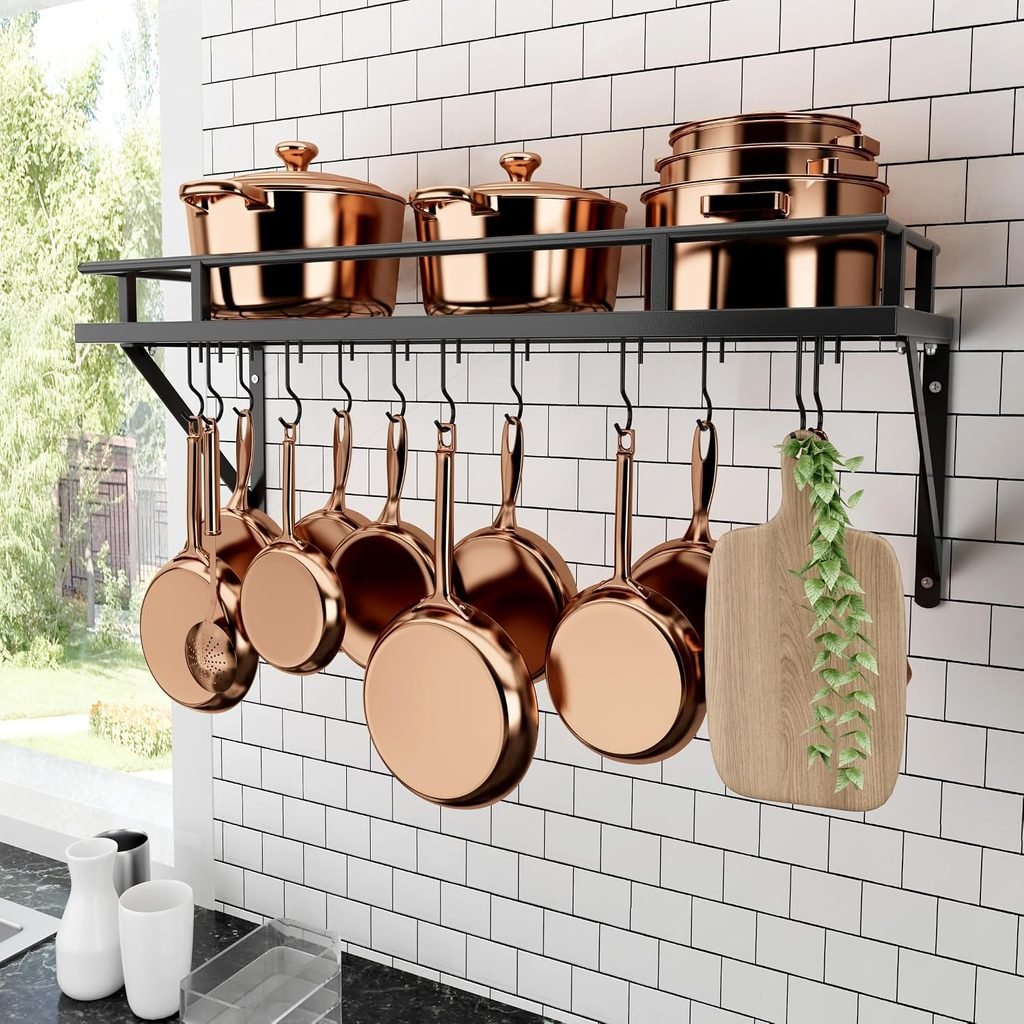
5. Add a Wall-Mounted Rail for Everyday Items
When cabinet and drawer space is limited, look at your walls.
A simple wall-mounted rail can hold utensils, mugs, measuring cups, or small kitchen accessories without taking up valuable counter space.
You can install one near the cooking area for frequently used utensils or near a coffee station for mugs and accessories.
This can also become part of the kitchen’s decor rather than simply looking like storage.
Choose a finish that works with your existing hardware so the setup feels intentional.
Wall-Mounted Kitchen Rail With Hooks
Best for: Kitchens with limited drawers and cabinet space.
Why it fits: A rail uses vertical wall space while keeping frequently used tools within easy reach. It’s especially useful when you don’t want to constantly open drawers while cooking.
Key features:
- Wall-mounted design
- Removable or movable hooks
- Useful for utensils and small accessories
One thing to consider: Avoid hanging too many items. A rail can quickly become visually cluttered if every kitchen tool ends up on it.
Check the Latest Price on Amazon
For example, instead of stacking five different plates on top of each other and reaching underneath them every time, a shelf riser can create a second level.
This makes your cabinets easier to use without adding another piece of furniture.
7. Create a Small Coffee or Breakfast Station
If you have a coffee maker, toaster, kettle, and several containers sitting across your countertop, they can quickly take over the kitchen.
Instead of spreading everything around the counter, create one compact zone.
Keep your coffee machine, mugs, coffee, tea, and other everyday supplies together. You can use a small tray to visually define the area.
The same idea works for a breakfast station with cereal, bread, spreads, or other morning essentials.
This approach doesn’t necessarily reduce the number of things you own. It simply makes them easier to manage.
8. Use Stackable Containers to Save Cabinet Space
Food storage containers can become one of the biggest sources of kitchen clutter.
Different shapes and sizes often result in wasted cabinet space, especially when the lids are stored separately.
Using stackable containers creates a more consistent system.
Choose containers that nest or stack securely and try to keep similar foods together.
For pantry organization, this idea works particularly well alongside other storage strategies. If you’re also working with limited space throughout your home, our guide to small bathroom organization ideas shows the same principle of using vertical space instead of spreading storage across the room.
Tip: Don’t buy dozens of containers before measuring your cabinets. First figure out how much space you actually have.
9. Take Advantage of the Space Beside the Refrigerator
That narrow gap beside the refrigerator can be surprisingly useful.
If there’s enough room, a slim pull-out organizer or narrow shelving unit can hold spices, bottles, canned goods, or other small pantry items.
This is especially helpful in apartment kitchens where every few inches matter.
Before buying anything, measure the gap at several points. Walls and appliances aren’t always perfectly aligned, and a small difference in width can determine whether an organizer actually fits.
10. Use a Narrow Countertop Organizer
Countertop storage can be useful, but too many organizers can make a small kitchen look even smaller.
The goal is to organize the things you genuinely use every day.
A compact organizer can hold spices, cooking oils, utensils, coffee supplies, or frequently used ingredients.
Choose one that uses vertical space rather than spreading items horizontally across the counter.
If possible, keep only your most frequently used items visible and store everything else behind cabinet doors.
11. Make a Small Pantry Area Work Harder
Even if you don’t have a traditional pantry, you can create a small pantry system inside a cabinet.
Group similar items together:
- Pasta and grains
- Canned foods
- Baking ingredients
- Snacks
- Breakfast foods
- Spices and sauces
Clear containers or labeled baskets can make it easier to see what you already have.
But don’t organize purely for appearance.
A pantry system should help you find things quickly and prevent you from buying duplicates.
A good organization system saves time, not just space.
12. Choose Multifunctional Kitchen Accessories
In a small kitchen, every item should earn its space.
Instead of buying separate tools for every small task, consider multifunctional products when they genuinely make sense.
For example, a cutting board with a built-in storage feature, a colander that folds flat, or a measuring set that nests together can reduce the amount of space your kitchen equipment requires.
This doesn’t mean every kitchen item needs to be multifunctional.
Buy based on what you actually use.
A product that performs five tasks poorly isn’t necessarily better than one excellent tool that performs one important task.
13. Keep the Countertops Mostly Clear
One of the fastest ways to make a small kitchen feel bigger is to reduce visual clutter.
You don’t need completely empty countertops.
Instead, keep the things you use every day accessible and move less frequently used appliances into cabinets or storage areas.
For example, if you use your coffee maker every morning, there’s a good reason for it to stay out.
But if you use a stand mixer once every few weeks, storing it away may give you much more useful counter space.
The same principle applies to decor.
A small plant, bowl, or piece of artwork can add personality without overwhelming the kitchen.
14. Use a Small Kitchen Island or Rolling Cart Carefully
A kitchen island can provide valuable preparation and storage space, but it isn’t automatically a good choice for every small kitchen.
Before buying one, measure the walking space around it.
You should still be able to open cabinets, use appliances, and move comfortably around the room.
If a permanent island makes the kitchen feel crowded, a small rolling cart may be a better option.
You can move it against a wall when you need more open floor space.
If you’re planning other furniture for your home, remember the same rule we use when choosing furniture for small living rooms: measure the available space first, then choose the furniture. Our guide to living room furniture ideas covers this principle in more detail.
15. Declutter Before Buying More Storage
This might be the most important small kitchen organization idea of all.
Before buying another organizer, basket, shelf, or storage cart, look at what you already own.
Do you have three nearly identical baking dishes?
Five coffee mugs you never use?
Kitchen gadgets that haven’t been touched in a year?
Expired food?
Extra containers without matching lids?
Storage products can’t solve a clutter problem if there are simply too many things in the kitchen.
Start by removing what you don’t use.
Then organize what’s left.
You’ll often discover that you need far less storage than you originally thought.
Common Small Kitchen Organization Mistakes to Avoid
Organizing a small kitchen can easily go wrong if you focus only on adding storage.
Here are a few mistakes to avoid.
Buying Storage Before Measuring
Always measure the cabinet, drawer, wall, or gap first.
A storage product is only useful if it actually fits the space.
Filling Every Empty Surface
An empty counter doesn’t automatically mean you need to put something there.
Negative space helps a small kitchen feel calmer and more spacious.
Keeping Everything on Display
Open shelves and wall rails can look beautiful, but displaying every kitchen item creates visual noise.
Keep everyday essentials accessible and store less-used items away.
Buying Too Many Matching Containers
Matching containers can make a pantry look organized, but buying them before understanding your actual storage needs can waste money and space.
Organize first. Buy containers second.
Ignoring What You Already Own
The best organization system is one that works with your real cooking habits.
Don’t build a complicated storage system for items you barely use.
What Should You Buy First for a Small Kitchen?
If you’re organizing your kitchen on a budget, don’t buy everything at once.
Start with the biggest problem.
If you have unused narrow gaps, try a slim rolling cart.
If your cabinets are overflowing, consider shelf risers or stackable organizers.
If your counters are crowded, look for vertical storage or wall-mounted solutions.
If drawers are messy, start with adjustable drawer dividers.
And if the kitchen is simply full of things you don’t use, spend nothing.
Decluttering may give you the biggest improvement.
Best Amazon Products for Small Kitchen Organization
Here are some useful product categories to consider when organizing a compact kitchen:
| Product | Best For |
|---|---|
| Slim rolling kitchen cart | Narrow gaps and extra storage |
| Cabinet door organizer | Using unused cabinet-door space |
| Adjustable drawer dividers | Utensil and cutlery organization |
| Under-shelf baskets | Creating extra cabinet levels |
| Wall-mounted kitchen rail | Utensils and everyday tools |
| Stackable food containers | Pantry and cabinet organization |
| Narrow countertop organizer | Keeping frequently used items together |
| Pull-out cabinet organizer | Deep or difficult-to-reach cabinets |
Remember, the goal isn’t to fill your kitchen with organizers.
The best products are the ones that solve a specific storage problem.
Small Kitchen Organization Checklist
Before you finish organizing your kitchen, check these areas:
☐ Declutter unused kitchen items
☐ Measure narrow gaps and unused spaces
☐ Use vertical cabinet space
☐ Organize cabinet doors
☐ Separate messy drawers
☐ Group similar pantry items
☐ Keep frequently used items easy to reach
☐ Reduce countertop clutter
☐ Use narrow storage where appropriate
☐ Avoid buying organizers you don’t actually need
☐ Make sure doors and drawers can still open comfortably
☐ Leave some visual breathing room
Final Thoughts
A small kitchen doesn’t need more stuff. It needs a better system.
Start by looking at the space you already have and identify where you’re losing useful storage. A narrow gap, the back of a cabinet door, the wall above your counter, or even unused vertical space inside a cabinet can make a surprisingly big difference.
Most importantly, don’t try to organize everything in one day.
Declutter first, then solve your biggest storage problems one at a time.
With the right combination of vertical storage, compact organizers, and a little discipline about what stays on your countertops, even a very small kitchen can become easier to use and much more enjoyable to live with.


