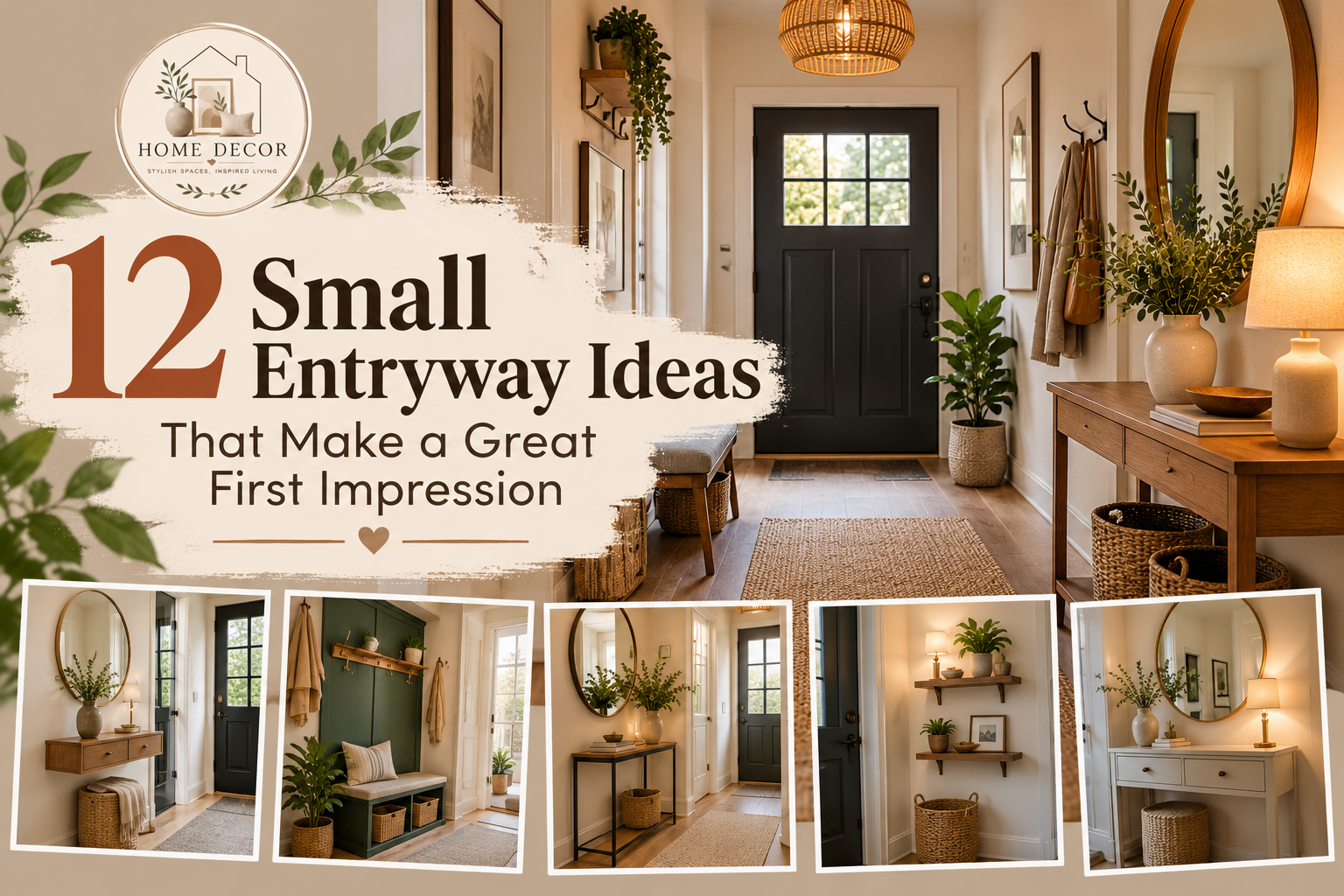
Your entryway may be one of the smallest areas in your home, but it has an important job: it sets the tone for everything beyond the front door.
The challenge is that a compact entrance can quickly become crowded. Shoes end up by the door, keys have nowhere to go, bags pile onto furniture, and adding too much decoration can make the area feel even tighter.
The solution isn’t necessarily to add more furniture. Instead, focus on pieces that earn their place, use the walls intelligently, and give everyday belongings a designated spot.
Whether you have a narrow hallway, a tiny apartment entrance, or simply an awkward space near your front door, these small entryway ideas can help you create an entrance that feels organized, welcoming, and stylish without sacrificing valuable floor space.
1. Make a Narrow Console Table Work Harder
A console table can instantly give an entryway a finished look, but choosing the wrong one can make a narrow entrance feel cramped.
The trick is to look for a slim design with enough surface area for the essentials.
Instead of treating the console as a purely decorative piece, use it as a practical landing zone for your everyday belongings.
How to style it
Keep the surface simple:
- A small lamp
- A decorative bowl for keys
- One piece of artwork or a framed photo
- A small plant
- One seasonal accent
You don’t need to cover the entire surface.
Leaving some open space actually makes the arrangement look more intentional.
💡 Product to Consider
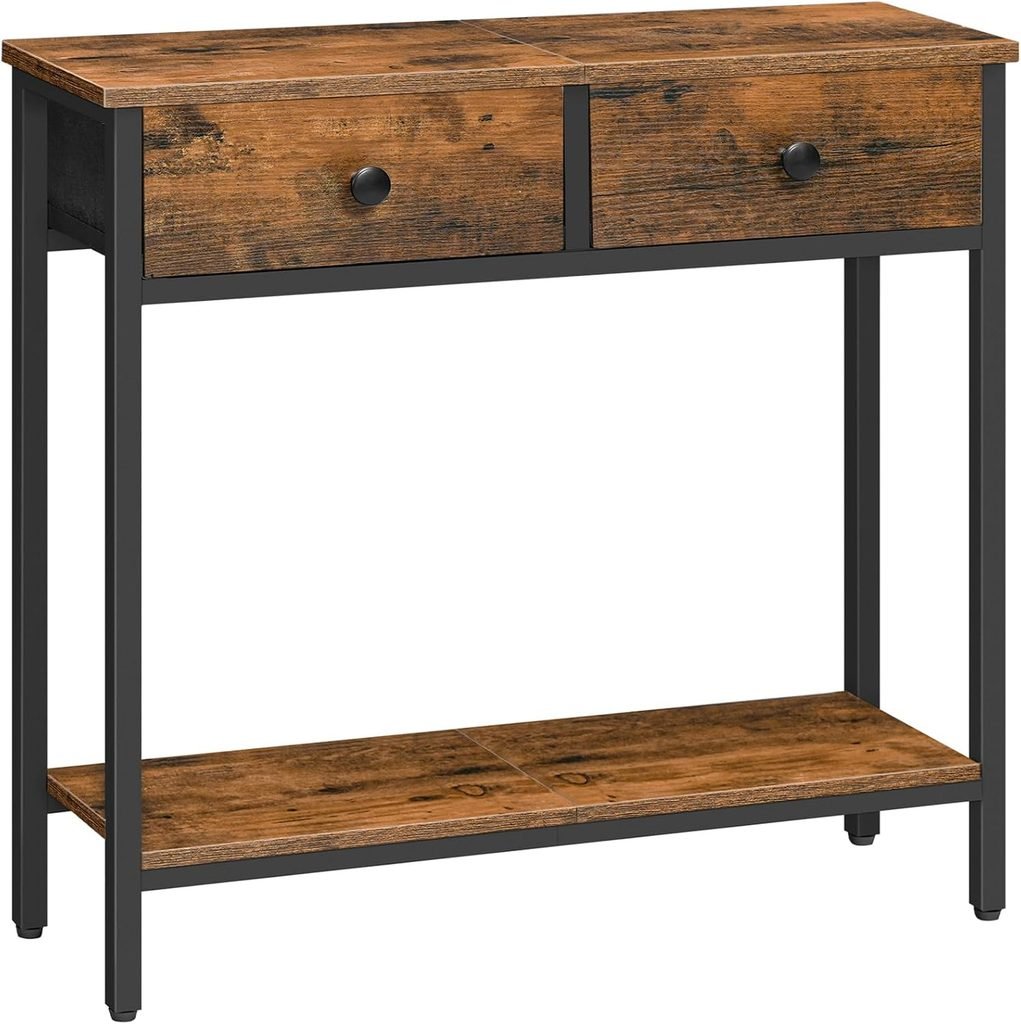
A Narrow Console Table With Drawers
Look for a slim console with at least one drawer or lower shelf. That gives you a place to hide small items while keeping the top available for decoration.
Best for: Narrow entrances where you want both style and a little hidden storage.
Why it works: One compact piece can provide a landing surface, storage, and a visual anchor.
Potential drawback: A console that’s too deep can interfere with the walking path, so measure the area before buying.
Check the Latest Price on Amazon
2. Use a Mirror to Open Up the Entrance
A mirror is one of the simplest ways to make a compact entrance feel more open.
It reflects light and gives the eye another visual layer, which can prevent the area from feeling like a narrow passage.
But there’s another practical benefit: you can check your appearance before heading out.
The key is choosing the right size
A large mirror can create a stronger sense of depth, while a smaller round or arched mirror can become a decorative focal point.
If your entryway already has a console, center the mirror above it to create a balanced arrangement.
For more guidance on creating a cohesive look throughout your home, our home styling tips can help you make individual areas feel connected rather than randomly decorated.
💡 Product to Consider
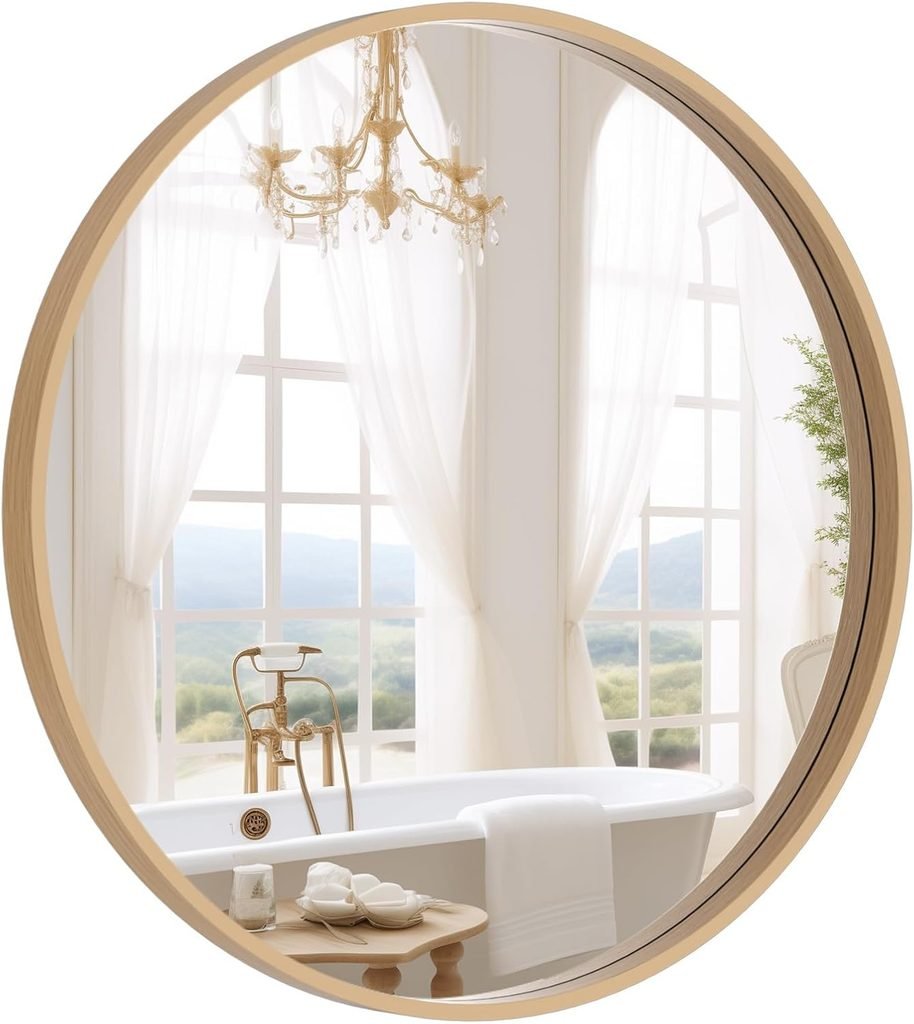
A Large Round or Arched Wall Mirror
Choose a shape that complements the furniture rather than competing with it.
Best for: Small entrances that feel dark, narrow, or visually flat.
Potential drawback: A large mirror needs secure installation, especially in a busy walkway.
Check the Latest Price on Amazon
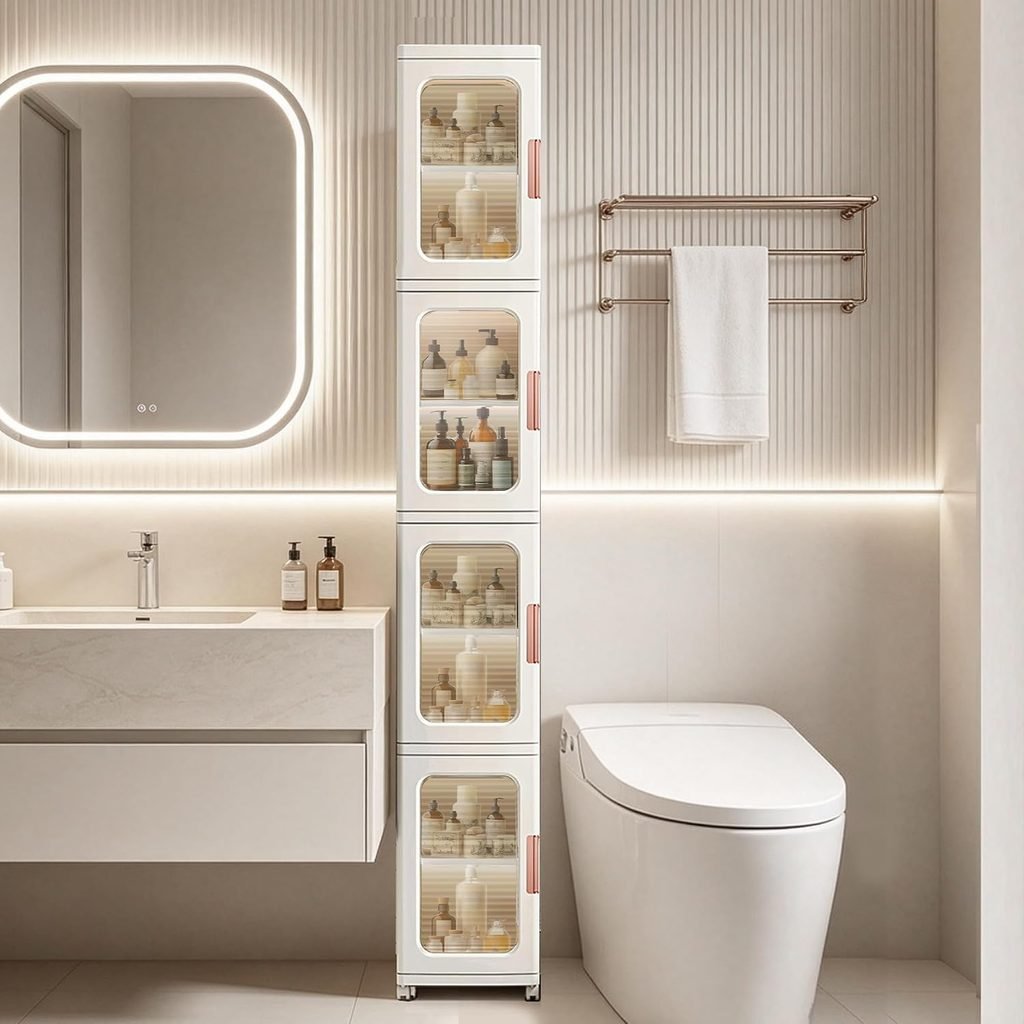
3. Choose a Slim Shoe Cabinet
Shoes are often the biggest source of entryway clutter.
A few pairs left near the door can quickly turn a clean entrance into an obstacle course.
A slim shoe cabinet can solve this without requiring the footprint of a traditional shoe rack.
❌ The mistake
Choosing a large open shoe organizer simply because it holds more pairs.
While it may provide plenty of capacity, all those visible shoes can make the entrance look busy.
✅ A better approach
Look for a narrow cabinet with doors or flip-down compartments.
You don’t necessarily need to store every pair of shoes you own here. Keep the footwear you use regularly near the entrance and move the rest elsewhere.
Best for: Apartments and narrow hallways where visible shoe storage takes up too much visual space.
What to look for:
- Slim depth
- Enclosed compartments
- Stable construction
- Easy-to-clean surface
- Enough capacity for everyday footwear
Check the Latest Price on Amazon
4. Create a Small Drop Zone for Everyday Items
Where do your keys, wallet, sunglasses, and other small essentials go when you walk through the door?
If the answer changes every day, you’re eventually going to waste time looking for something.
Create one dedicated drop zone near the entrance.
It could be as simple as:
- A small tray
- A wall-mounted organizer
- A decorative bowl
- A tiny shelf
- A few hooks
Why this makes such a difference
Organization becomes easier when your most-used items have an obvious home.
Instead of trying to remember where you left your keys, you automatically put them in the same place.
That’s a small change, but it can make your daily routine much smoother.
5. Take Storage Up the Wall
When you don’t have much floor area, the walls become valuable real estate.
Floating shelves, wall-mounted cabinets, hooks, and small organizers can provide useful storage while leaving the walking area open.
Try creating a vertical arrangement
For example:
Upper area: Artwork or mirror
Middle: Small shelf or hooks
Lower area: Shoe storage or basket
This creates layers without filling the entire floor.
The important part is not to turn every available wall into storage. A little empty space helps the entrance breathe.
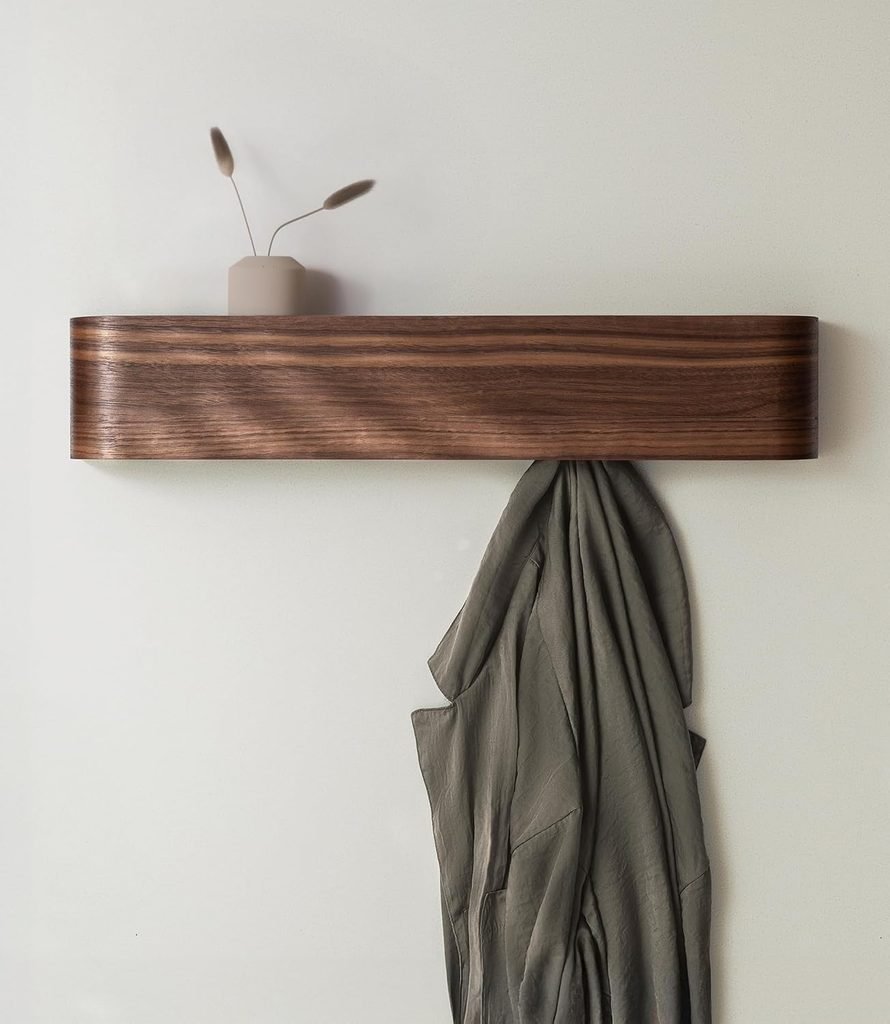
6. Replace a Bulky Coat Rack With Wall Hooks
Freestanding coat racks can take up more room than expected.
If your entryway is narrow, wall hooks are usually a much more efficient solution.
Install a small row of hooks at a comfortable height and use them for the items you actually reach for regularly.
❌ Don’t turn the hooks into a dumping area
Five hooks don’t mean you need five bags, three coats, two scarves, and a hat hanging there permanently.
Keep everyday items accessible and move everything else into a closet.
💡 Product to Consider
A Minimalist Wall-Mounted Coat Hook Rack
Choose a compact design with several sturdy hooks.
Best for: Small households that need somewhere to hang jackets, bags, hats, or scarves without using floor space.
Potential drawback: Open hooks can look cluttered if too many items are left hanging.
Check the Latest Price on Amazon
7. Add a Runner That Fits the Entrance
A runner can make a narrow entrance feel warmer and more finished while also defining the pathway.
But size matters.
A rug that’s too wide can make the hallway feel restricted, while one that’s too short may look disconnected from the rest of the space.
This is a good place to use our complete guide to choosing the right rug size if you want to help readers understand measurements before purchasing.
Keep the design simple
For a compact entrance, look for:
- Subtle patterns
- Warm neutrals
- Low-pile construction
- Easy-care materials
And remember that an entryway rug needs to handle foot traffic, so appearance shouldn’t be the only consideration.
8. Use One Statement Piece Instead of Lots of Decor
Small entrances don’t need dozens of accessories.
In fact, one memorable piece can often have more impact than a collection of small decorations.
That could be:
- An oversized piece of artwork
- A sculptural mirror
- A distinctive lamp
- A beautiful console
- A striking vase
Why it works
When everything competes for attention, nothing becomes the focal point.
Choose one element that catches the eye and keep the surrounding pieces quieter.
This gives the entrance personality without making it feel overloaded.
9. Choose Lighting That Doesn’t Steal Floor Space
Good lighting can completely change how an entryway feels.
If there’s enough room for a small console lamp, that’s an option. But in a particularly narrow entrance, wall-mounted lighting or an overhead fixture can be more practical.
Think about the atmosphere
Cool, harsh lighting can make an entrance feel less inviting.
A warmer light source can create a softer transition between the outdoors and the rest of your home.
And because lighting is one of the easiest ways to improve the mood of a room, our guide to layered home lighting can help you take the idea further.
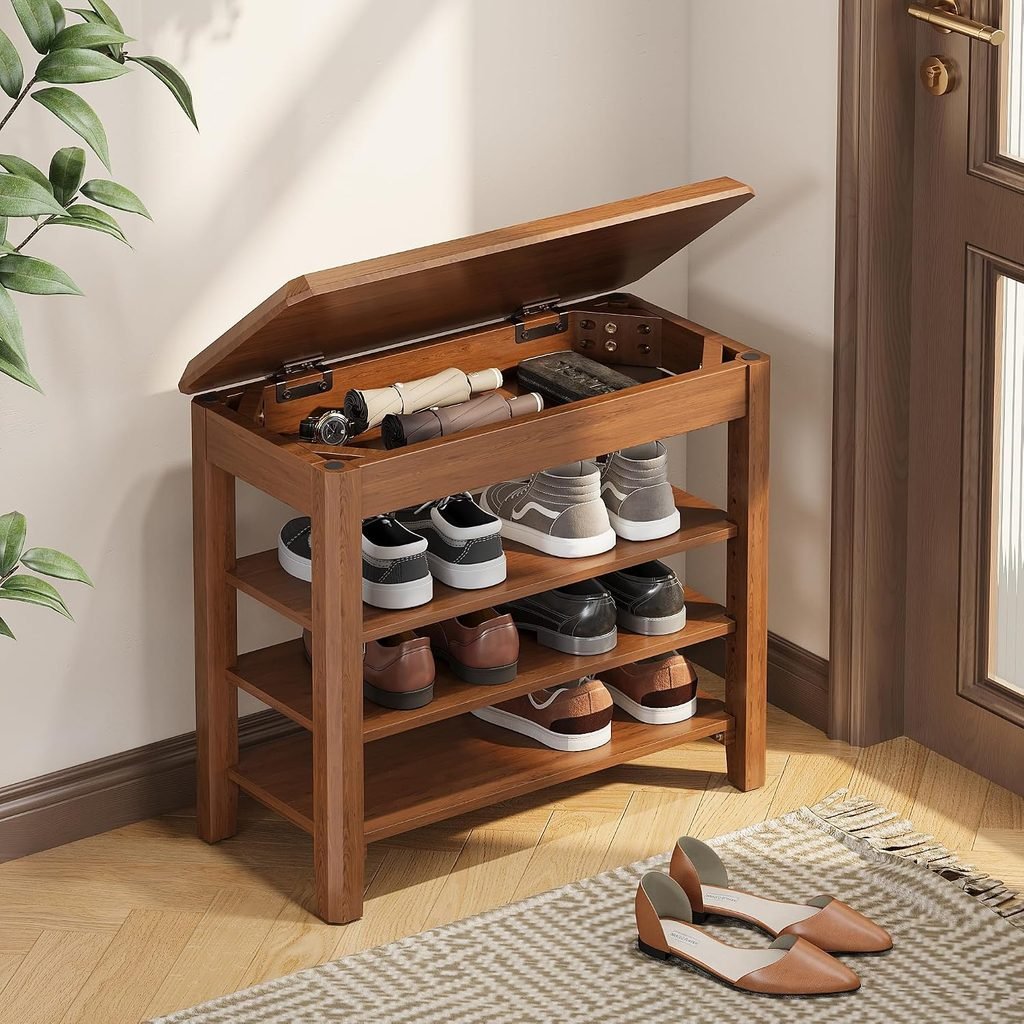
10. Add a Small Bench With a Purpose
If you have enough clearance, a compact bench can be an excellent addition.
It gives you somewhere to sit while putting on shoes and can also provide hidden storage underneath.
But don’t force one into the room
This is important.
A bench is useful only if people can still walk comfortably around it.
Before buying one, measure:
- The available wall length
- The depth of the bench
- The remaining walking space
- Door clearance
💡 Product to Consider
A Compact Storage Bench
Look for a narrow bench with a lift-up seat or built-in compartments.
Best for: Entryways that have enough floor clearance and need both seating and storage.
Why it works: One piece handles two jobs.
Potential drawback: A bench can make a very narrow entrance feel blocked, so this isn’t suitable for every layout.
Check the Latest Price on Amazon
11. Use Baskets to Keep Small Items Under Control
A basket can be useful when you need somewhere to contain items that don’t have a permanent home.
For example, you might use one for:
- Scarves
- Gloves
- Small bags
- Dog accessories
- Reusable shopping bags
Choose a basket that fits beneath a console or beside a bench rather than placing another large container in the middle of the walkway.
A simple rule
If the basket is overflowing, the problem isn’t the basket.
It’s time to sort through what’s inside.
Storage works best when it supports organization rather than simply hiding clutter.
12. Keep the Space Open With a Simple Styling Formula
The easiest way to make a compact entrance look good is to avoid trying to fill every available area.
Instead, use a simple formula:
One useful piece + one visual focal point + one storage solution
For example:
Slim console + round mirror + small basket
Or:
Wall hooks + artwork + narrow shoe cabinet
Or:
Storage bench + mirror + small plant
This approach gives the entrance everything it needs without turning it into a showroom.
Small Entryway Mistakes That Can Make the Space Feel Smaller
Even beautiful furniture can become a problem when it’s the wrong size or used in the wrong way.
❌ Choosing furniture before measuring
Always measure the available area first.
❌ Filling every wall
Some empty space is valuable. It keeps the entrance from feeling visually crowded.
❌ Keeping every pair of shoes by the door
Store only the footwear you actually use regularly.
❌ Using too many tiny decorations
Several small objects can create more visual noise than one larger focal piece.
❌ Ignoring the walking path
Your entryway needs to function first. Decoration comes second.
How to Make a Small Entryway Feel More Spacious
You don’t necessarily need a renovation to improve the area.
Try these simple changes:
Use vertical storage instead of adding more floor furniture.
Choose lighter visual pieces when the entrance is already tight.
Keep the floor relatively clear so the walking path remains obvious.
Use a mirror to add depth and reflect available light.
Limit the color palette so the area feels visually connected.
Give everyday items a designated home to prevent clutter from building up.
If you’re working on the overall appearance of your home, our guide on how to make your home look more put together is a useful next step.
Small Entryway Shopping Checklist
Before buying anything, ask yourself:
☐ Have I measured the available space?
☐ Will the furniture interfere with the door?
☐ Does this piece solve a genuine problem?
☐ Can I use the wall instead of the floor?
☐ Does it provide storage or another useful function?
☐ Will it still leave a comfortable walking path?
☐ Am I buying this because I need it—or simply because it looks nice?
That last question can save you from turning a small entryway into a crowded one.
Final Thoughts
A small entryway doesn’t need a lot of furniture or decoration to make an impression.
The most successful approach is usually simple and intentional: choose pieces that fit the proportions of the area, give everyday belongings a designated home, use vertical surfaces when possible, and leave enough open space for the entrance to function comfortably.
Whether you add a slim console, a useful mirror, wall hooks, a narrow shoe cabinet, or simply remove a little unnecessary clutter, even a modest entrance can feel welcoming from the moment someone walks through the door.