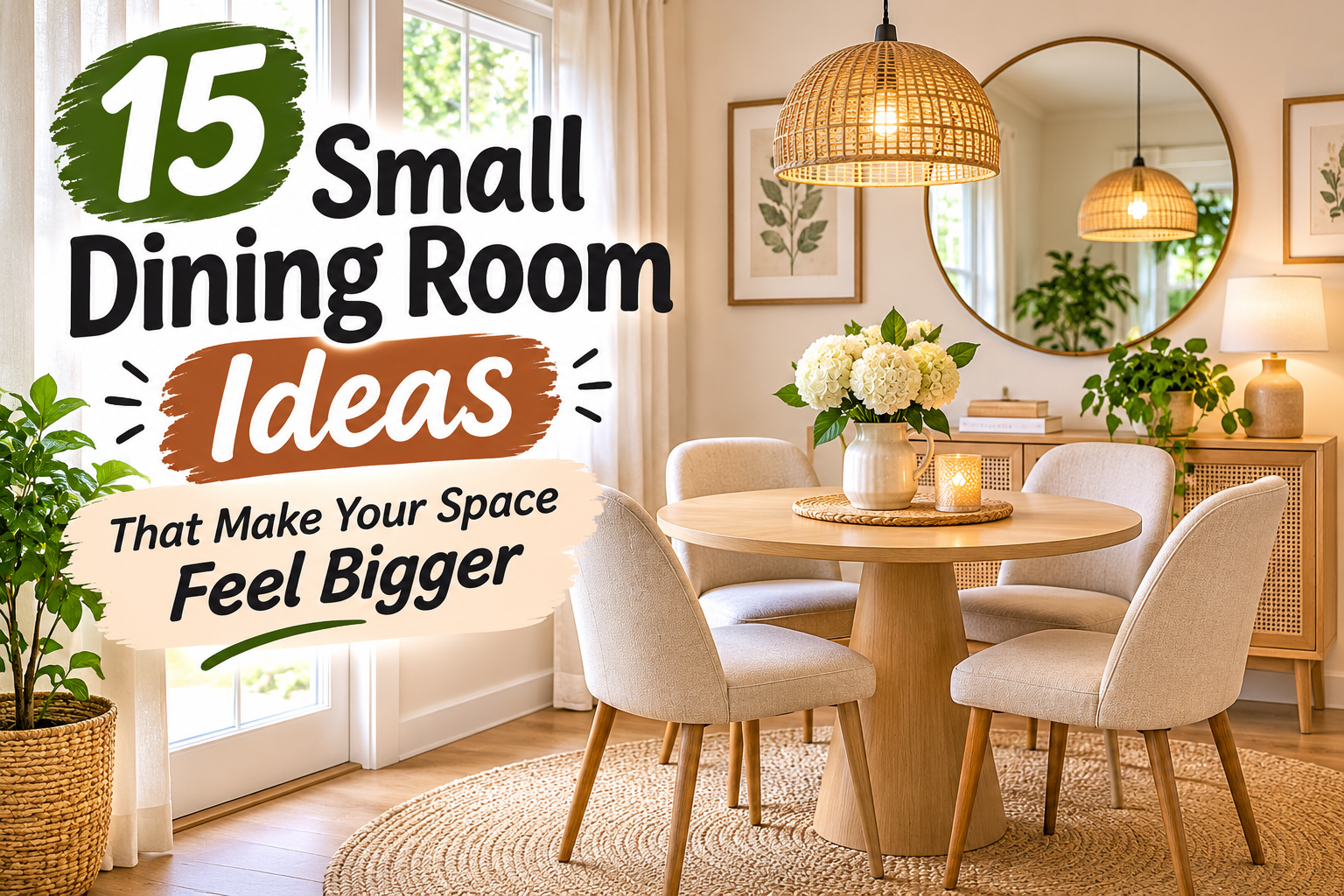
A small dining room can be challenging to decorate. You want enough space for everyone to sit comfortably, somewhere to serve meals, and a beautiful setting that feels welcoming. But when the table, chairs, and other furniture compete for limited floor space, the room can quickly feel crowded.
The solution isn’t necessarily to remove everything or choose the smallest furniture available. It’s about finding the right balance between comfort, functionality, and visual space.
A round table might make movement easier. A built-in bench could create extra seating without filling the room with chairs. Even something as simple as changing the furniture arrangement can make a noticeable difference.
Whether you have a dedicated dining room or a small dining area connected to your kitchen or living room, these 15 small dining room ideas will help you make the most of every inch.
1. Choose a Round Dining Table
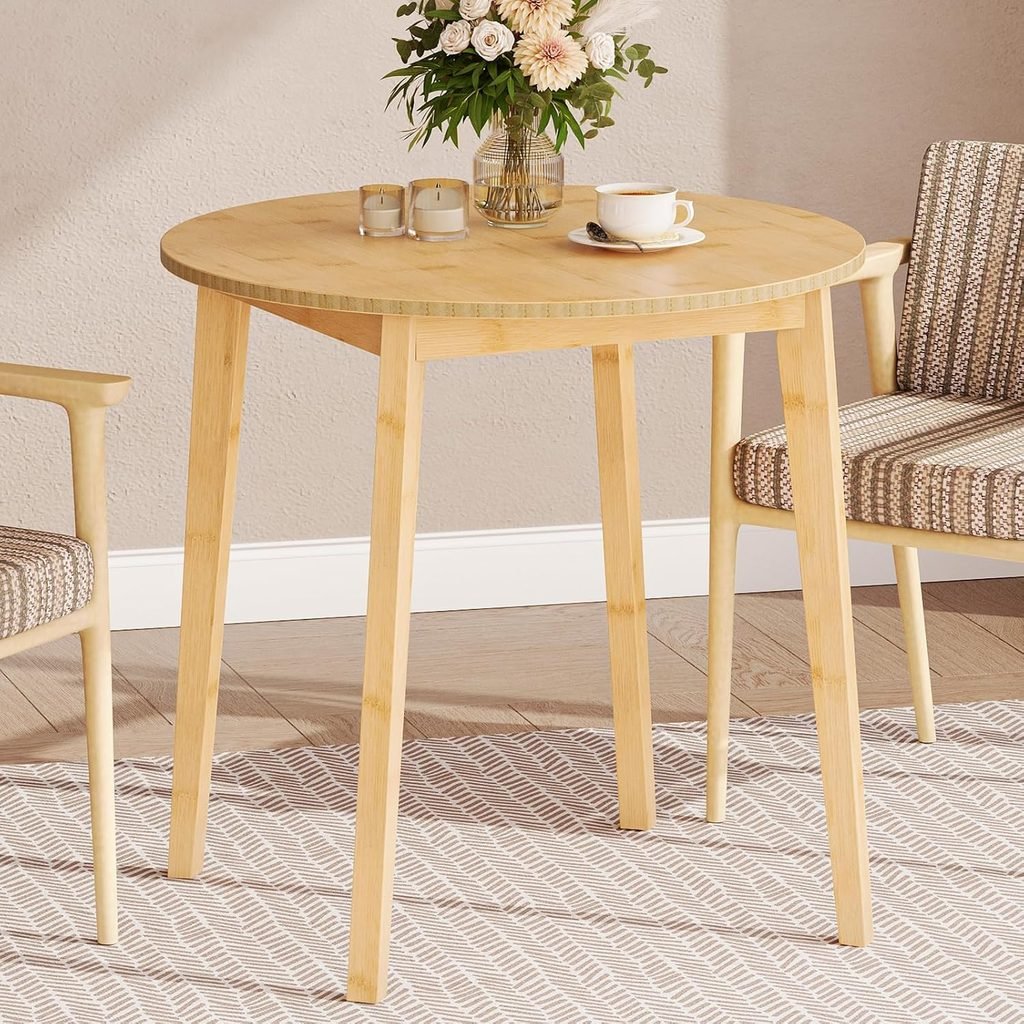
A round dining table is one of the most practical choices for a compact dining room.
Unlike a rectangular table, it doesn’t have sharp corners sticking into the walking area. This can make it easier to move around, especially when the dining space is surrounded by walls or other furniture.
Round tables also create a more relaxed arrangement because everyone sits facing one another.
For a particularly small room, look for a compact pedestal-base design. Without four bulky legs at the corners, chairs can sometimes be positioned more flexibly.
Compact Round Dining Table
Best for: Small dining rooms, apartments, and breakfast areas.
Why it fits: A compact round table can make a tight dining area easier to navigate. A pedestal base is especially useful because it leaves more flexibility for chair placement.
Key features to look for:
- Space-conscious tabletop diameter
- Stable pedestal or central base
- Easy-to-clean surface
One thing to consider: Check the table diameter and allow enough room for chairs to be pulled out comfortably before choosing a size.
Check the Latest Price on Amazon
2. Use a Built-In Dining Bench
If your dining room is narrow, placing chairs around every side of the table may not be the best arrangement.
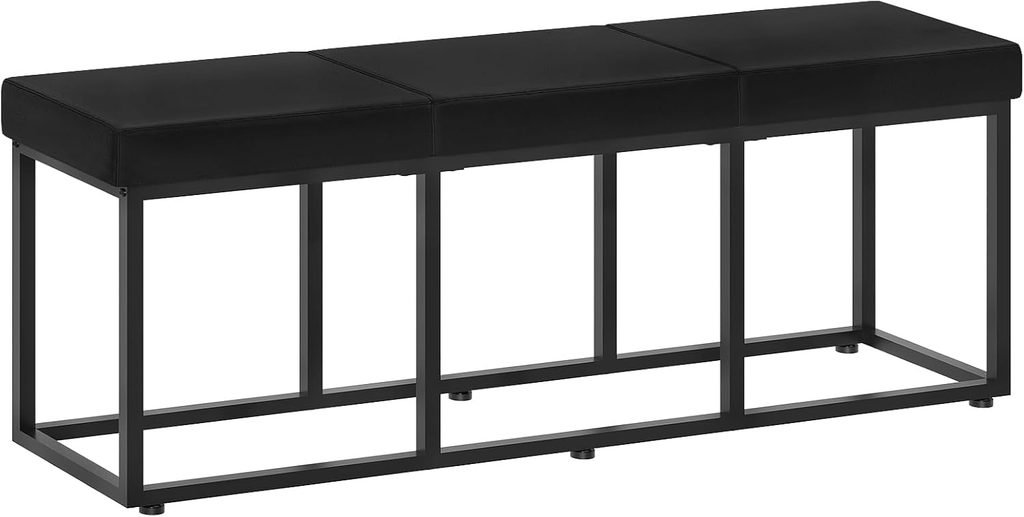
A built-in dining bench can help you use the available space more efficiently.
Position it against a wall and place the table in front. This removes the need to leave chair space behind that side of the table, making the layout feel less crowded.
You can also add cushions to make the bench more comfortable.
If you have a little extra room, consider a bench with hidden storage underneath for table linens, placemats, or other dining accessories.
The main thing is to get the measurements right. A bench that’s too deep can make the dining area uncomfortable.
Space-Saving Upholstered Dining Bench
Best for: Narrow dining rooms and dining areas positioned against a wall.
Why it fits: A bench can provide seating while keeping one side of the dining arrangement compact. An upholstered design also adds softness and comfort.
Key features to look for:
- Slim overall depth
- Comfortable upholstered seat
- Durable, easy-to-maintain material
One thing to consider: Make sure the bench height works with your dining table. A mismatch can make sitting uncomfortable.
Check the Latest Price on Amazon
3. Place a Mirror to Create More Visual Space
A mirror can make a small dining room feel brighter and more open.
When placed opposite or near a window, it can reflect natural light and make the room appear less enclosed.
A large mirror can also create the impression of additional depth, particularly in a narrow dining area.
You don’t need an elaborate decorative design. A simple round mirror or a clean rectangular frame can work beautifully.
Try positioning it where it reflects something attractive, such as a window, pendant light, or decorative arrangement.
Avoid placing it where it simply reflects clutter. The goal is to make the room feel more open, not to double the appearance of a messy corner.
4. Try a Small Dining Table Against the Wall
Not every dining table needs to sit in the middle of the room.
If your dining area is particularly narrow, placing a small rectangular table against a wall can free up valuable walking space.
This arrangement works especially well for two-person households or apartments where the dining area also serves as a breakfast spot.
You can add a pair of compact chairs or use one side of the table as a bench.
Just remember that this layout may not be ideal if you regularly host larger gatherings.
A practical tip: Leave enough clearance to pull out the chairs and access the table comfortably. A table pushed too tightly against the wall can become inconvenient.
5. Choose Dining Chairs With Slim Profiles
Large upholstered dining chairs can look beautiful, but they may take up more visual and physical space than a small dining room can comfortably handle.
Instead, consider chairs with slim frames, narrow backs, and lightweight legs.
Open-back designs can help the arrangement feel less heavy, while wooden or metal legs allow more of the floor to remain visible.
You don’t have to sacrifice comfort, either. Look for supportive backrests and well-shaped seats rather than choosing chairs based only on appearance.
If you’re working with a particularly small table, check the width of each chair before buying a set.
6. Use a Light Color Palette
Light colors can help a small dining room feel brighter and more open.
Soft white, warm beige, pale gray, and muted cream are all useful choices for walls and larger furniture pieces.
You don’t have to make everything white.
Natural wood, muted green, or a few darker accents can add personality without overwhelming the space.
For example, a light dining table paired with natural wooden chairs and a soft neutral rug can create a relaxed, balanced look.
If you’re unsure how to combine shades throughout your home, our guide to home styling offers more ideas for creating a coordinated interior.
7. Add a Statement Pendant Light
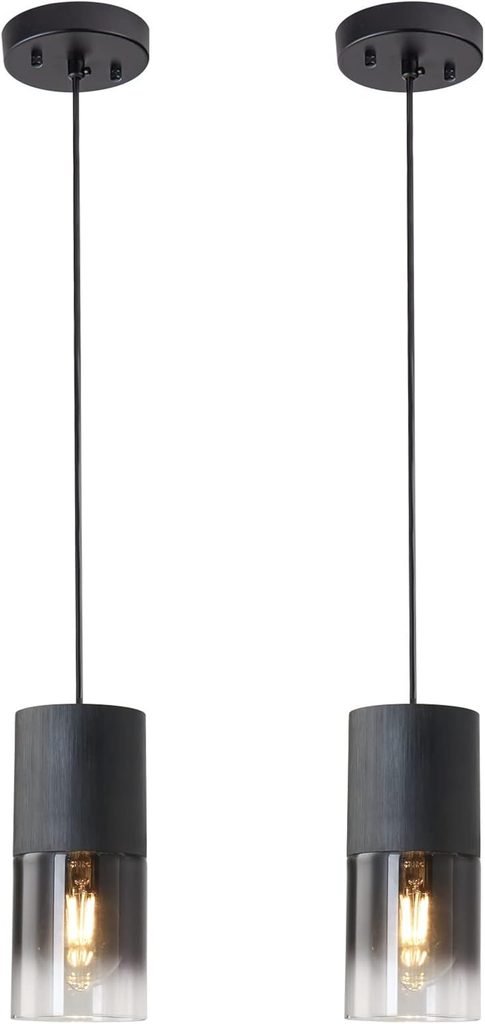
A pendant light can give a small dining room a clear focal point.
Rather than adding several decorative objects to the room, one well-chosen light fixture can make the dining area feel more finished.
Hang it above the center of the dining table and choose a size that suits the furniture below it.
A large fixture may look impressive in a spacious dining room, but it can overwhelm a compact area.
Compact Modern Dining Pendant Light
Best for: Small dining rooms that need a simple focal point.
Why it fits: A pendant light helps define the dining area, especially in open-plan homes where the table sits between the kitchen and living room.
Key features to look for:
- Proportionate fixture size
- Adjustable hanging height
- Suitable light output for dining
One thing to consider: Check the ceiling height and fixture dimensions before purchasing. A low-hanging pendant can interfere with the room’s comfort and sightlines.
Check the Latest Price on Amazon
8. Create a Small Dining Area in an Open-Plan Room
If your home doesn’t have a separate dining room, you can still create a dedicated dining area.
Look for a natural gap between the kitchen and living room where a compact table can fit without blocking movement.
A rug, pendant light, or simple wall decoration can help define the dining zone.
The important thing is to maintain a comfortable route between the kitchen, dining table, and living area.
Don’t position the table where people have to squeeze past chairs every time they move around the room.
A well-planned dining zone should feel connected to the rest of the home without becoming an obstacle.
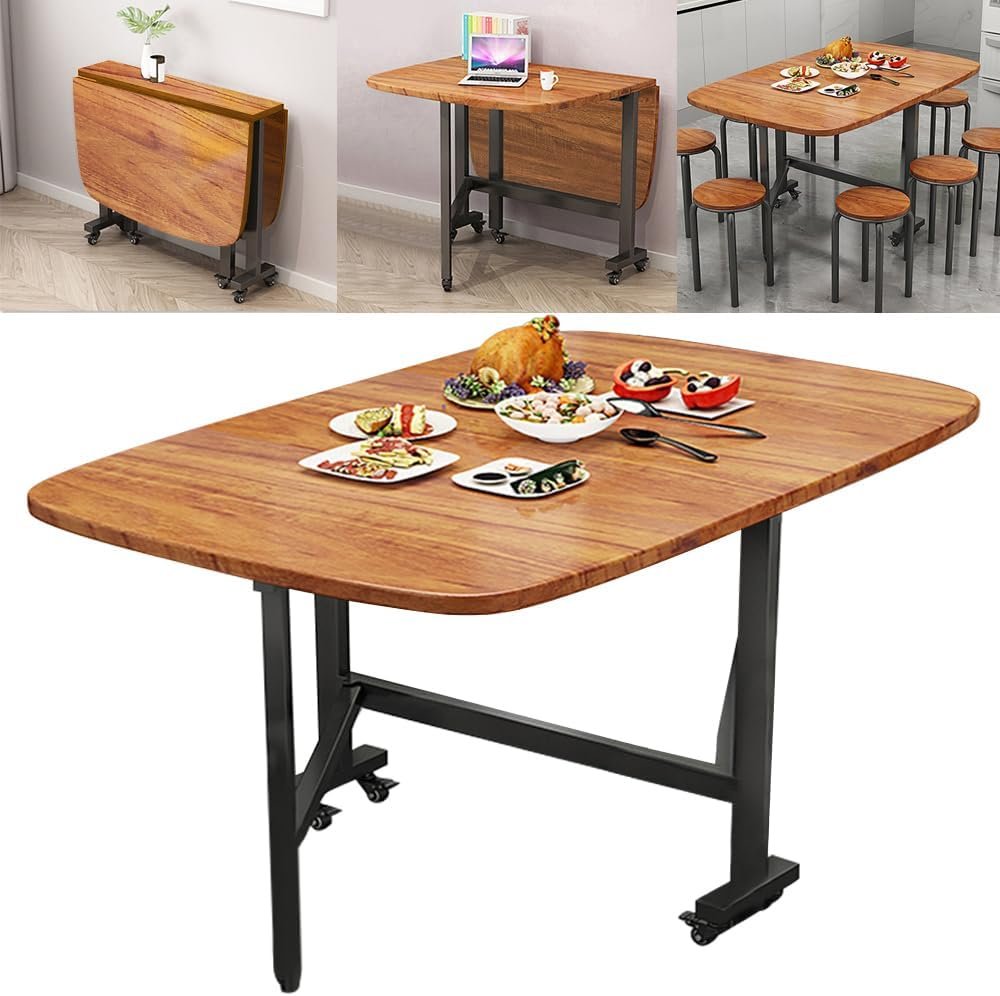
9. Choose an Extendable Dining Table
An extendable dining table is a smart option if you usually eat with two or four people but occasionally host family or friends.
When closed, it takes up less space. When guests arrive, you can extend the tabletop to provide additional seating.
This gives you flexibility without keeping a large table in the room every day.
Look for a design with an extension mechanism that’s easy to operate and sturdy when fully opened.
Compact Extendable Dining Table
Best for: Small households that occasionally entertain guests.
Why it fits: An extendable table provides everyday practicality while giving you extra surface area when needed.
Key features to look for:
- Easy extension mechanism
- Stable construction
- Compact closed dimensions
One thing to consider: Measure the room with the table fully extended, not just in its everyday position. You still need enough space for chairs and movement.
Check the Latest Price on Amazon
10. Add a Narrow Sideboard for Storage
Dining rooms often collect items that don’t have a proper home.
Extra plates, serving dishes, table linens, and decorative accessories can end up sitting on the dining table or kitchen counter.
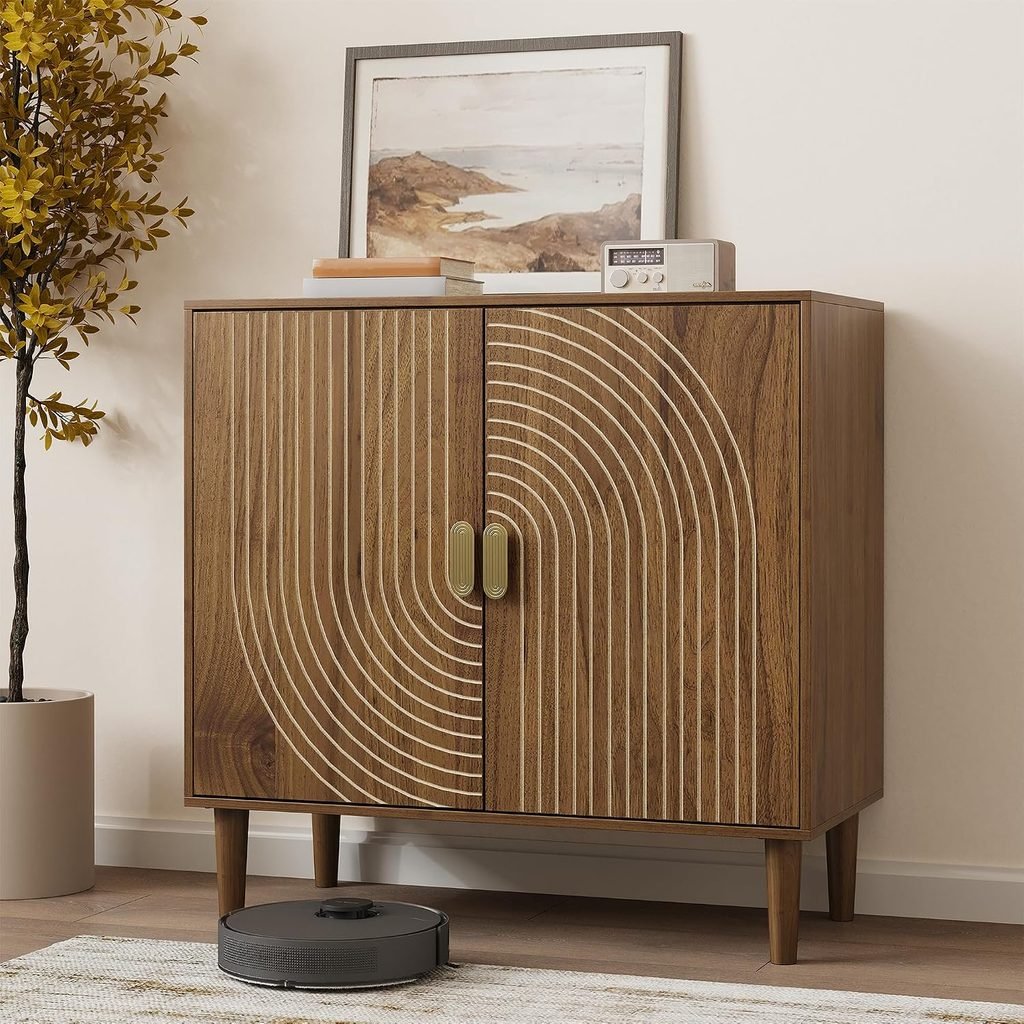
A narrow sideboard can help keep these things organized.
Choose a design with a relatively shallow depth so it doesn’t take over the room. You can use the top surface for a small lamp, artwork, or a simple decorative arrangement.
If you have very limited floor space, wall-mounted shelves may be a better alternative.
Slim Dining Room Sideboard
Best for: Dining rooms that need additional storage without a bulky cabinet.
Why it fits: A narrow sideboard provides a dedicated place for dining essentials while keeping the tabletop and surrounding areas clearer.
Key features to look for:
- Shallow depth
- Closed cabinet storage
- Proportions that suit your wall
One thing to consider: Measure the depth carefully. Even a beautiful sideboard can make a narrow dining room feel cramped if it projects too far into the walking area.
Check the Latest Price on Amazon
11. Use a Rug to Define the Dining Area
<AsyncImage query=”small dining room round neutral rug underneath compact dining table modern interior” aspectRatio=”16:9″/>
A rug can make a small dining area feel more complete, particularly in an open-plan home.
It helps visually separate the dining space from the kitchen or living room without adding a physical divider.
Choose a rug that is large enough for the dining chairs to remain on it when pulled out.
This detail is important. If the chairs constantly catch on the rug’s edge, the arrangement can become frustrating.
For a dining space, a low-pile rug is often easier to maintain than a thick, fluffy design.
You can also explore our guide on how to choose the right rug size before deciding on the dimensions.
12. Decorate the Dining Table Without Overcrowding It
A dining table doesn’t need a large centerpiece to look attractive.
In a small dining room, an oversized arrangement can take up valuable space and make everyday meals less convenient.
Instead, try a small ceramic vase, a simple bowl, or a low floral arrangement.
Choose something that adds personality without getting in the way of conversation or serving dishes.
You can also keep the centerpiece removable so the table is easy to use when you’re eating.
Sometimes, a little decoration is all the room needs.
13. Use Wall Art to Add Personality
If your dining room feels plain, artwork can make it more interesting without taking up any floor space.
A single larger print can create a focal point above the dining table or sideboard.
Alternatively, you could use a small gallery arrangement with two or three coordinated pieces.
Choose artwork that works with the room’s color palette.
For example, abstract prints, botanical artwork, and simple landscape pieces can all complement a modern dining area.
Avoid covering every available wall. Leaving some empty space helps the room feel calmer.
14. Keep the Dining Area Clutter-Free
Even a well-decorated dining room can feel cramped when too many things are left on display.
Mail, shopping bags, unused kitchen accessories, and random household items can quickly take over the dining table.
Try to make the dining table a place for meals rather than everyday storage.
Use a nearby drawer, cabinet, or basket for things that regularly collect in the area.
You don’t have to keep the room perfectly styled all the time. Just give everyday items a proper place so the dining area can be cleared easily.
15. Make Use of Natural Light
Natural light can make a small dining room feel much more inviting.
If your dining area has a window, avoid blocking it with bulky furniture or heavy window treatments.
Lightweight curtains can soften the space while still allowing daylight to enter.
You can also position the dining table where it receives natural light without blocking access to the window.
If the room doesn’t have much daylight, use a combination of suitable ceiling lighting and lighter wall colors to keep the space feeling welcoming.
The goal is to make the room feel bright and comfortable throughout the day.
Common Small Dining Room Mistakes to Avoid
Decorating a small dining room isn’t just about choosing attractive furniture. A few layout mistakes can make the room feel much more cramped than it really is.
Choosing a Table That’s Too Large
A large table may look beautiful in a furniture showroom, but it can leave very little room for movement at home.
Measure your dining area and allow space for people to pull out chairs and walk around the table.
Using Too Many Chairs
You don’t necessarily need six chairs around a small table if your household normally uses only two or four.
Choose the seating arrangement that suits your everyday needs.
Extra seating can be brought in when you have guests.
Ignoring Walking Space
A dining table should never block the natural route between rooms.
Make sure people can move comfortably around the furniture.
Adding Too Much Decoration
Large centerpieces, oversized vases, and too many accessories can make the dining area feel busy.
Choose a few items that add character without taking over the table.
Buying Furniture Before Measuring
Always measure the available width and depth before buying a table, bench, sideboard, or rug.
Also check the dimensions of chairs when they’re pulled away from the table.
What Should You Buy First for a Small Dining Room?
If you’re decorating on a budget, start with the furniture that makes the biggest difference.
First priority: A suitable dining table. Choose a shape and size that fit your room and household.
Second priority: Comfortable seating. Consider slim chairs or a bench if the layout is narrow.
Third priority: Practical lighting. A well-positioned pendant or ceiling light makes the dining area more inviting.
Fourth priority: Storage. Add a sideboard or shelves only if you genuinely need somewhere to keep dining essentials.
Finally: Decor. Bring in artwork, a rug, or a small centerpiece once the basic arrangement works.
Best Amazon Products for Small Dining Rooms
Here are the five product categories worth considering for a compact dining area:
| Product | Best For |
|---|---|
| Compact round dining table | Saving space and improving movement |
| Upholstered dining bench | Space-conscious seating |
| Modern pendant light | Defining the dining area |
| Extendable dining table | Flexible seating for guests |
| Slim dining room sideboard | Additional storage |
You don’t need all five. Choose products that solve the actual problems in your dining room, and always check measurements before ordering.
Small Dining Room Checklist
Before finishing your dining room setup, check these details:
☐ Measure the available dining area.
☐ Choose a table that fits the room.
☐ Leave enough space to pull out chairs.
☐ Consider a round table for easier movement.
☐ Use a bench if one side sits against a wall.
☐ Keep furniture proportionate to the room.
☐ Use natural light wherever possible.
☐ Choose suitable dining room lighting.
☐ Keep table decorations simple.
☐ Add storage only where needed.
☐ Avoid blocking walking routes.
☐ Leave some open space around the furniture.
Final Thoughts
A small dining room can still be a beautiful and comfortable place to enjoy everyday meals.
You don’t need a large table, expensive furniture, or a complete renovation to make it work. Start by choosing the right table shape, creating a practical seating arrangement, and keeping enough space for people to move around comfortably.
Then add the details that make the room feel like home: warm lighting, a simple centerpiece, a mirror, or artwork that reflects your style.
The best small dining room isn’t the one with the most furniture or decoration. It’s the one that makes everyday dining feel easy, welcoming, and enjoyable.