Introduction
Your home should feel like a place where you can slow down, recharge, and enjoy your surroundings. But even a beautifully decorated room can feel stressful when there is too much clutter, harsh lighting, mismatched colors, or simply too many things competing for your attention.
The good news is that creating a peaceful home does not require a complete renovation or an expensive furniture makeover. Small changes to your lighting, organization, colors, textures, and everyday surroundings can make a noticeable difference.
Whether you live in a small apartment, a family house, or a large open-plan space, there are plenty of simple ways to create a calmer atmosphere.
In this guide, we’ll explore 15 relaxing home ideas that can help make your rooms feel more comfortable, organized, welcoming, and peaceful—without sacrificing style.
1. Create a Calm and Organized Entryway
Your entryway is the first part of your home you experience when you walk through the door. If shoes, bags, mail, keys, and other everyday items are scattered around, the rest of the house can immediately feel more chaotic.
A calm home often starts with a calm entrance.
You don’t need a huge foyer to make this work. Even a small entrance can benefit from a simple system for keeping frequently used items organized.
Try adding:
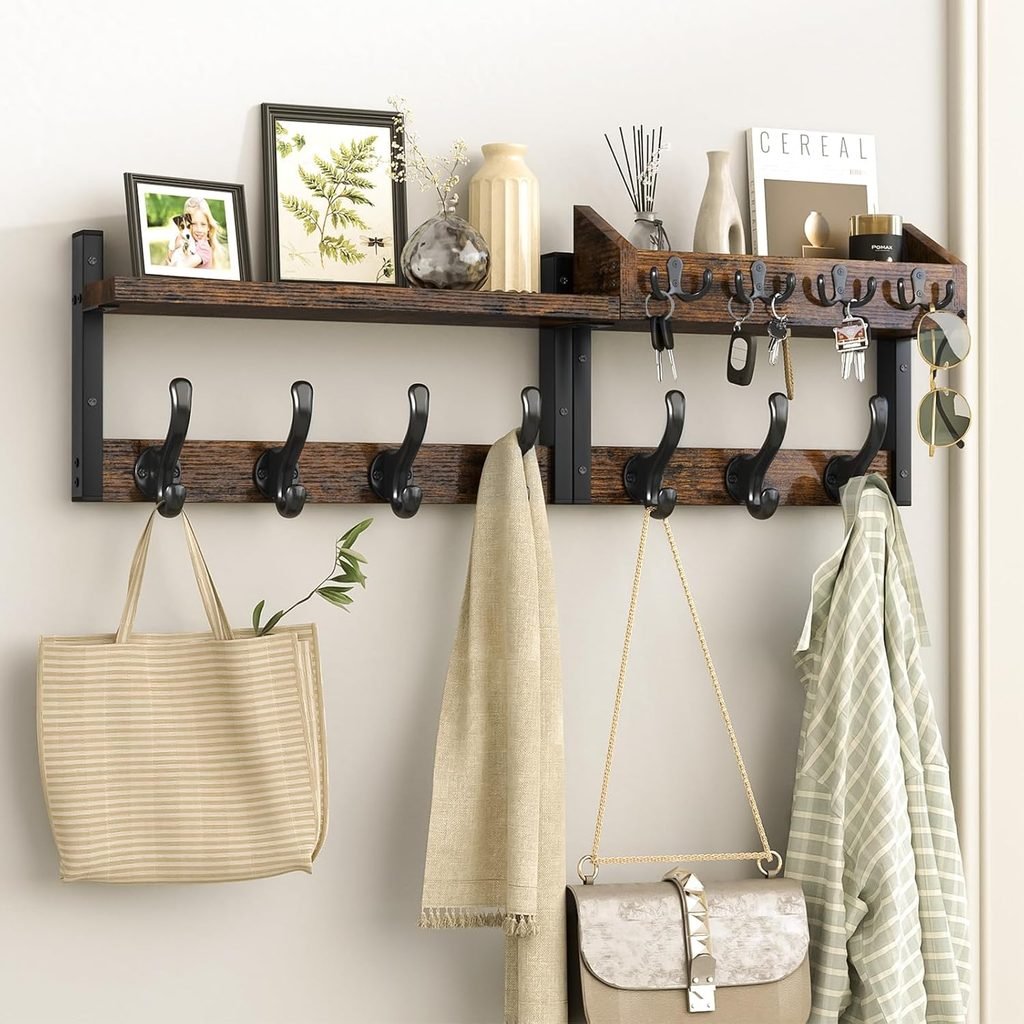
- A narrow console or entryway shelf
- Wall hooks for bags and coats
- A small tray for keys and everyday essentials
- A shoe cabinet or closed storage
- One decorative object such as a vase or small plant
The goal isn’t to fill the entryway with decoration. Instead, give everything a designated place so the area feels intentional rather than crowded.
💡 A Simple Upgrade
A wall-mounted key and organizer rack can be particularly useful in a small entryway because it keeps everyday essentials off the floor and makes them easy to find.
What to look for:
- Multiple hooks
- A small shelf or mail slot
- Compact dimensions
- A design that matches your existing decor
- Easy wall installation
👉 Check the Latest Price on Amazon
2. Reduce Visual Clutter
One of the easiest relaxing home ideas is also one of the cheapest: remove unnecessary visual clutter.
A room doesn’t necessarily need to be completely minimalist. The goal is to make sure the things you see have a purpose or contribute positively to the space.
Start by looking at surfaces that tend to collect everyday items.
Coffee tables, kitchen counters, bedside tables, desks, and bathroom counters are common clutter hotspots.
Instead of removing everything, organize the items that need to stay.
Use simple solutions such as:
- Decorative trays
- Small storage boxes
- Closed cabinets
- Drawer organizers
- Cable management
- Baskets for frequently used items
A useful rule is to leave some empty space around your decorations. This gives individual objects room to breathe and prevents the room from feeling visually overwhelming.
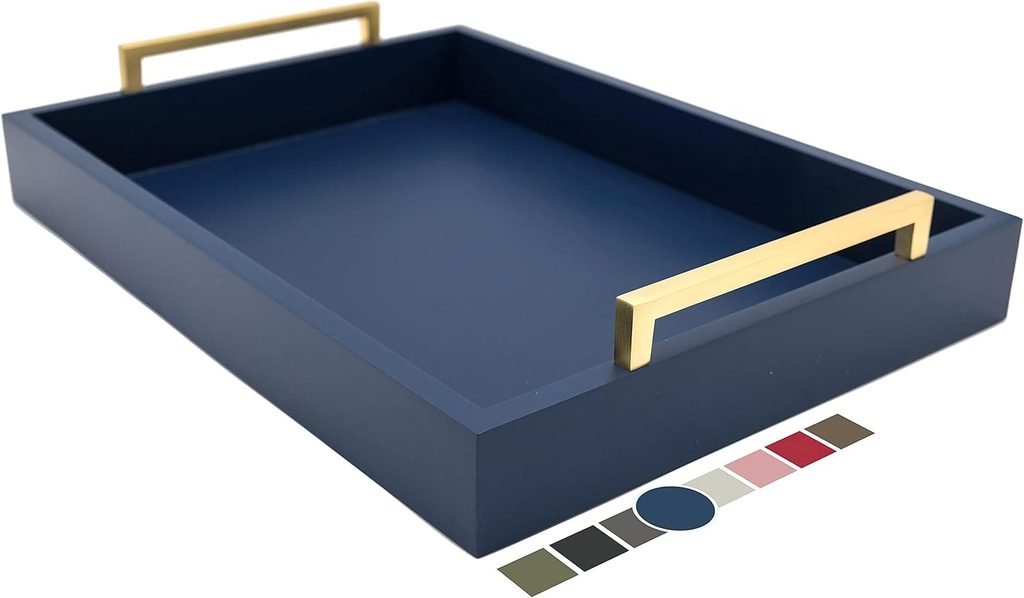
🏠 A Practical Choice
A decorative catch-all tray can help group smaller items together instead of allowing them to spread across a table or console.
Use one for:
- Keys
- Remote controls
- Candles
- Small accessories
- Jewelry
- Everyday essentials
The result is a surface that looks intentionally styled while still being practical.
👉 Check the Latest Price on Amazon
3. Use Softer, Warmer Lighting
Lighting has a major influence on how a room feels.
Bright overhead lighting can be useful when you’re cleaning, cooking, or working, but relying on a single strong ceiling light can make a room feel less comfortable during the evening.
For a more relaxing atmosphere, think about layers of light.
Instead of illuminating the entire room equally, combine different sources at different heights.
Consider using:
- Table lamps
- Wall lights
- Small accent lights
- Floor lamps
- Under-cabinet lighting
- Dimmable fixtures
Warm-toned bulbs can also create a softer evening atmosphere than very cool, bright lighting.
The key is flexibility. You should be able to use brighter lighting when you need it and softer lighting when you’re relaxing.
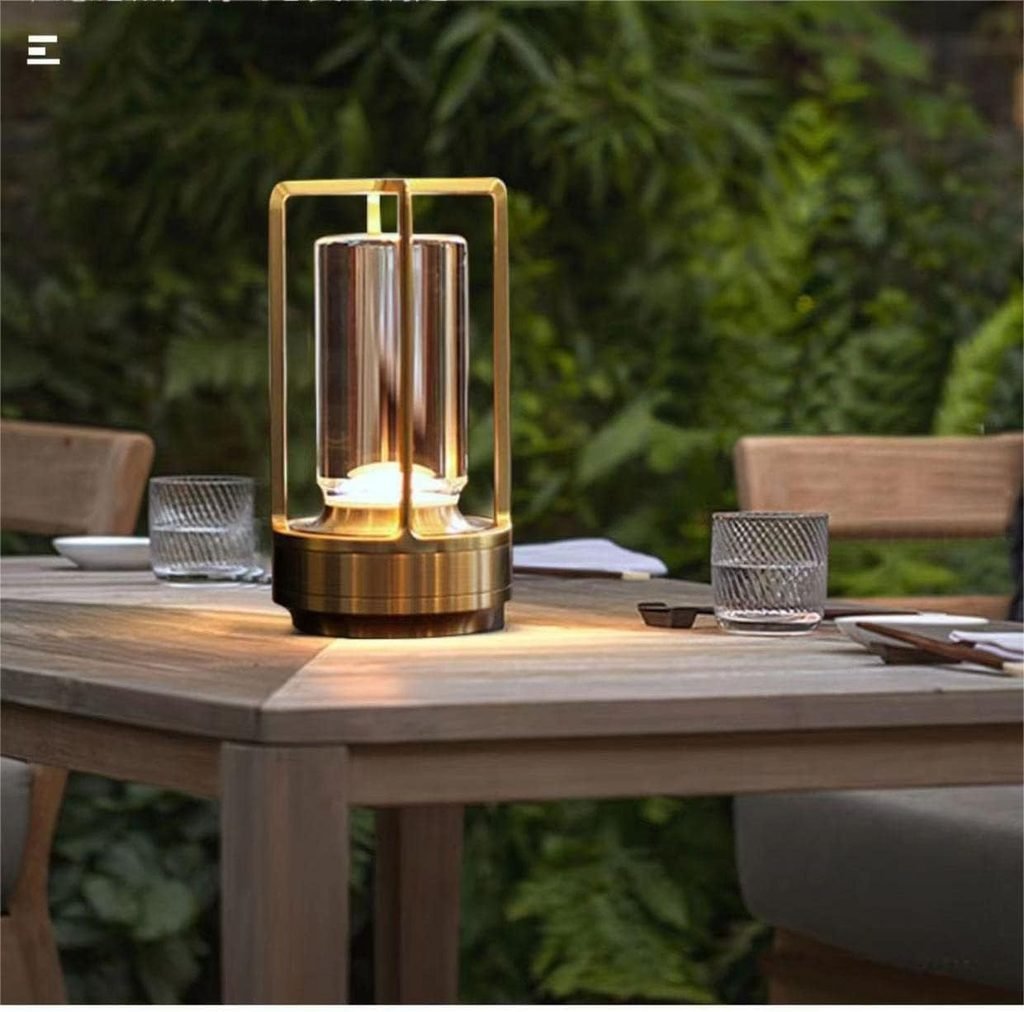
✨ Worth Considering
A small dimmable table lamp is an easy way to introduce softer lighting without changing your existing ceiling fixture.
Place one on:
- A sideboard
- Bedside table
- Console
- Desk
- Reading corner
Look for adjustable brightness and a warm-light setting if possible.
👉 Check the Latest Price on Amazon
4. Bring Natural Elements Indoors
Natural materials can help a room feel warmer and less artificial.
You don’t need to turn your home into a jungle or completely redesign the interior. A few carefully selected natural elements can introduce texture and visual interest without making the room feel busy.
Try incorporating materials such as:
- Wood
- Rattan
- Woven fibers
- Stone
- Cotton
- Linen
- Ceramic
Plants are another simple option. If maintaining real plants isn’t practical, high-quality artificial greenery can still add visual softness.
🌿 Think Beyond Plants
Natural elements don’t have to be limited to greenery.
A wooden bowl, woven container, ceramic planter, rattan accessory, or linen textile can introduce natural texture in a subtle way.
The key is balance. Combining several natural materials can make a room feel warm without requiring lots of decorative objects.
🛍️ A Natural Touch
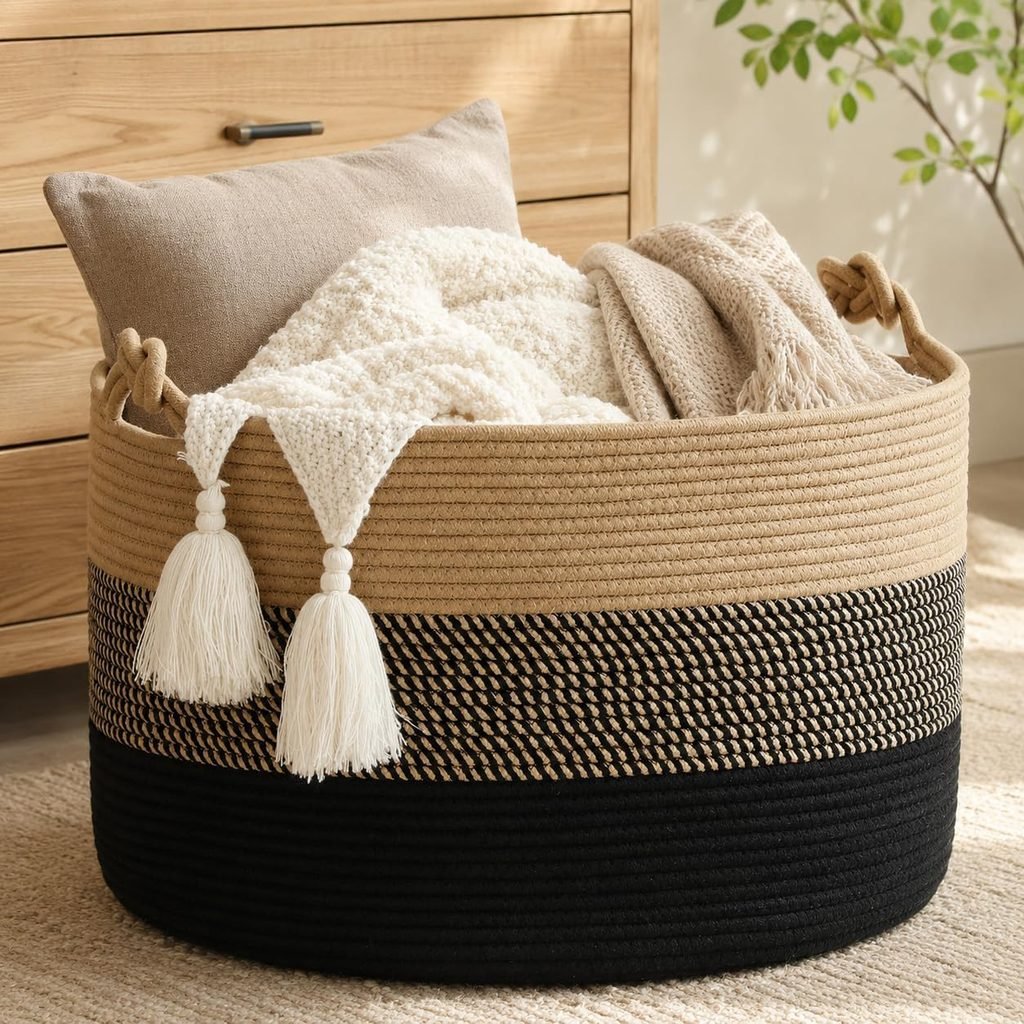
A woven decorative basket can combine storage and texture in one piece.
Use it to store:
- Blankets
- Magazines
- Toys
- Cushions
- Everyday living-room items
This is especially useful because the basket contributes to the decor while helping hide clutter.
👉 Check the Latest Price on Amazon
5. Choose a Calming Color Palette
Color can dramatically change the atmosphere of a room.
If your goal is to create a peaceful environment, you don’t necessarily need to use only white or beige. Instead, focus on colors that work well together and don’t create excessive visual contrast.
Calming color combinations can include:
- Warm white + beige
- Soft gray + natural wood
- Cream + muted green
- Sand + light brown
- Soft blue + off-white
- Taupe + warm white
You can still introduce stronger colors, but use them intentionally through smaller accents rather than covering every surface with competing shades.
A simple formula:
60% main color + 30% secondary color + 10% accent color
For example:
- 60% warm off-white walls and large surfaces
- 30% natural wood and beige furniture
- 10% muted green accessories
This creates visual consistency while still giving the room personality.
💡 Don’t Forget the Small Details
You don’t always need to repaint the entire room.
You can test a new color direction through:
- Cushion covers
- Throws
- Curtains
- Decorative objects
- Artwork
- Bedding
This allows you to experiment before committing to a larger change.
6. Create a Dedicated Relaxation Spot
One of the most effective relaxing home ideas is to create a small area specifically designed for unwinding.
It doesn’t have to be an entire room.
A quiet corner near a window, an unused section of your bedroom, or a small part of the living room can become a personal relaxation zone.
You could include:
- A comfortable chair
- Small side table
- Soft throw
- Reading light
- A few books
- Small plant
- Minimal decoration
Try to avoid turning this area into another storage zone. Its purpose should be clear: a place to pause.
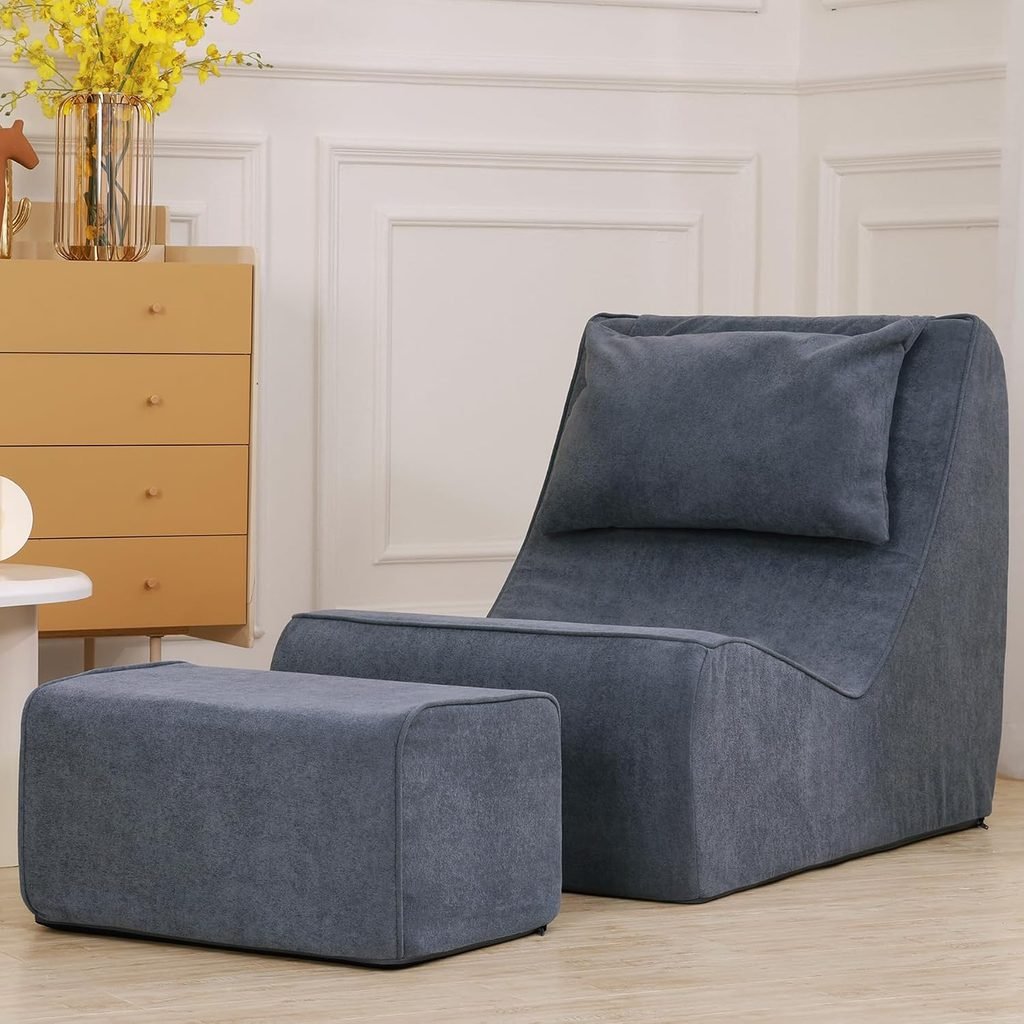
🪑 Product to Consider
A compact lounge chair with a comfortable shape can transform an otherwise unused corner into a dedicated reading or relaxation space.
Choose one that fits the scale of your room rather than selecting the largest chair available.
👉 Check the Latest Price on Amazon