
Introduction
A living room has to do a lot.
It’s where you relax after a long day, watch television, entertain guests, read, work, and sometimes even enjoy a quick meal. That’s why choosing living room furniture based only on appearance can lead to problems later.
A beautiful sofa may take up too much space. A stylish table might offer nowhere to store everyday items. And a large collection of furniture can make movement around the room frustrating.
The better approach is to think about how you actually use your living room before deciding what belongs in it.
The right furniture should make the room easier to live in while still contributing to its overall appearance.
In this guide, we’ll explore 12 living room furniture ideas that can help you create a space that’s comfortable, organized, flexible, and stylish—without filling it with unnecessary pieces. living room furniture ideas
1. Choose Furniture Based on How You Use the Room 🛋️
Before shopping for furniture, think about what your living room needs to accomplish.
A room designed mainly for relaxing may require a very different setup from one that regularly hosts guests or doubles as a workspace.
Start by identifying your everyday activities.
Do you:
- Watch television regularly?
- Entertain friends and family?
- Read in the living room?
- Work from home?
- Need extra storage?
- Have children or pets?
- Use the room for multiple purposes?
Once you know the answers, your furniture choices become much easier.
For example, someone who frequently entertains may benefit from flexible seating, while someone with limited storage may need furniture with built-in compartments.
Think Function First
Don’t begin with, “What furniture looks good?”
Instead ask:
“What problems does my living room need to solve?”
Then choose pieces that address those needs.
✨ Worth Considering
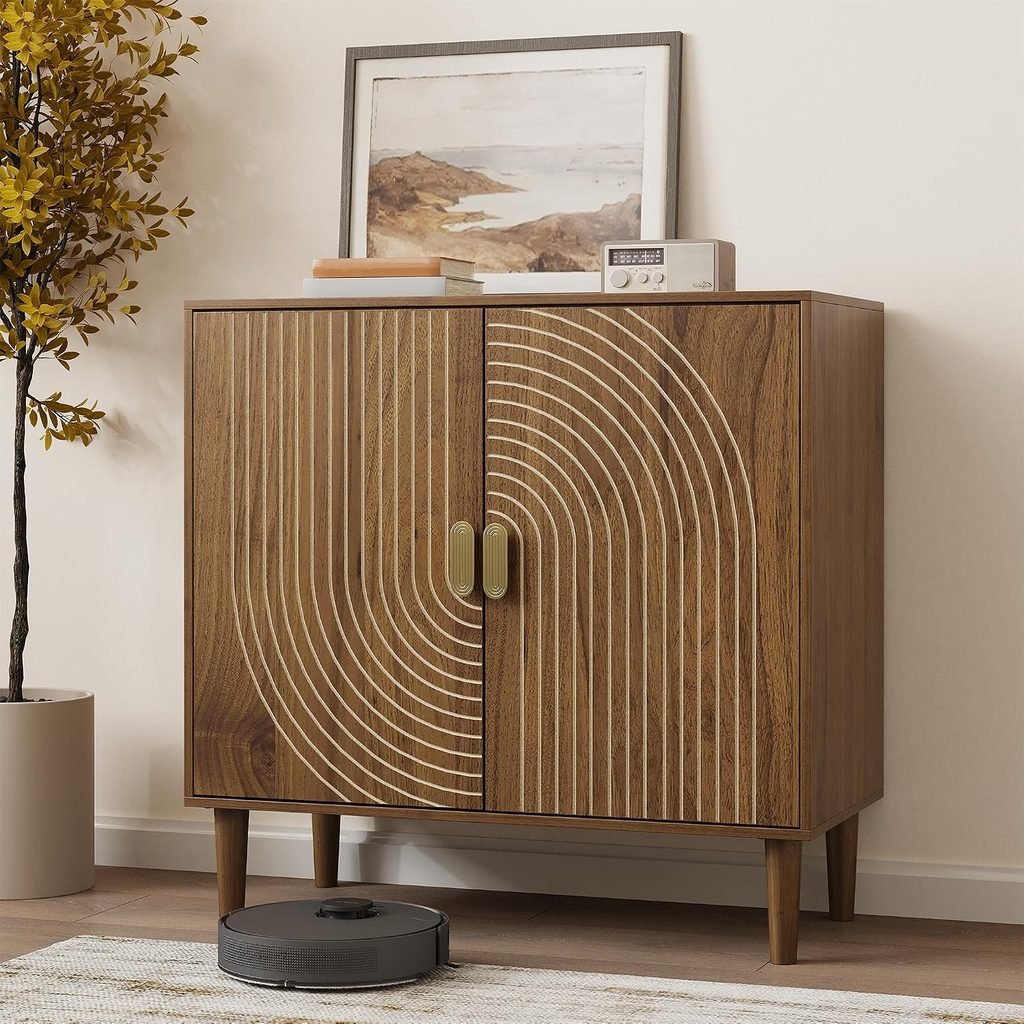
A compact multifunctional sideboard can be useful if your living room needs additional storage without adding several separate cabinets. living room furniture ideas
👉 Check the Latest Price on Amazon
2. Find the Right Sofa Size 📏
The sofa is usually the largest piece of furniture in a living room, so its dimensions have a major impact on the rest of the layout.
Before choosing one, measure the available wall or floor area carefully.
Remember to consider more than the sofa’s width.
Check its:
- Overall depth
- Armrest width
- Seat depth
- Back height
- Leg clearance
- Distance from nearby furniture
A sofa that’s too large can make the room feel crowded, while one that’s too small may leave the seating area looking disconnected.
Leave Room Around It
You should also account for walking space.
Don’t measure only the area where the sofa will sit. Consider how people will move between the sofa, coffee table, doors, windows, and other furniture. living room furniture ideas
A Useful Rule
If you’re choosing between two sofa sizes, don’t automatically select the larger one simply because it provides more seating.
Choose the size that gives you the best combination of comfort and usable space.
🏠 A Practical Choice
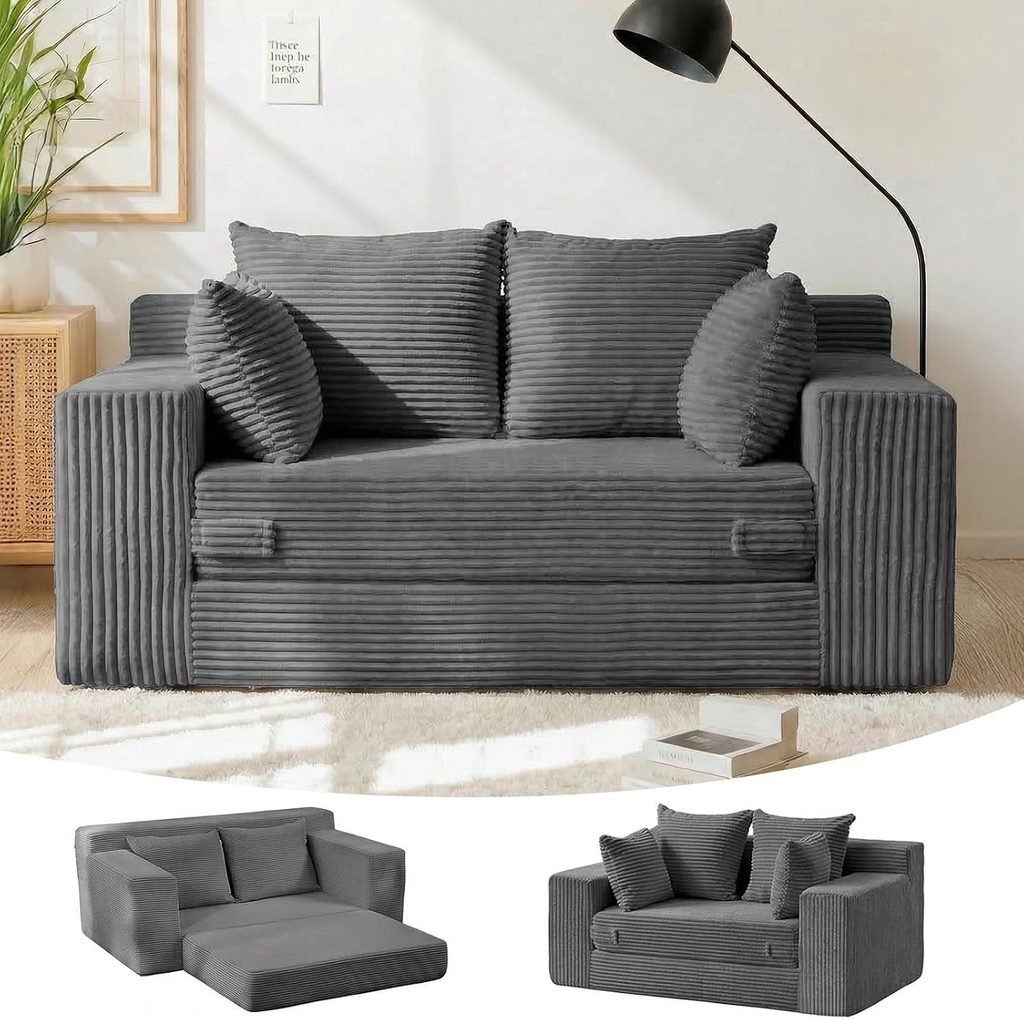
An apartment-size sofa or loveseat can be an excellent option for rooms where you want comfortable seating without allowing the sofa to dominate the entire space.
👉 Check the Latest Price on Amazon
3. Add a Functional Side Table 🪵
A side table may be small, but it can make a living room considerably easier to use.
Think about all the things you might want within arm’s reach while sitting on the sofa—a cup of coffee, your phone, a book, a remote control, or a small lamp.
Without a nearby surface, these items often end up on the floor or crowded onto the coffee table.
When choosing a side table, consider both its size and position. You don’t want it so large that it blocks the walkway, but it should still provide enough surface area for everyday essentials.
Look for useful features
Depending on your needs, consider:
- A lower shelf
- A drawer
- Built-in charging
- A compact footprint
- Rounded edges
- Easy-to-move construction
A small table beside the sofa can also help fill an awkward corner without requiring a large piece of furniture.
✨ A Smart Addition
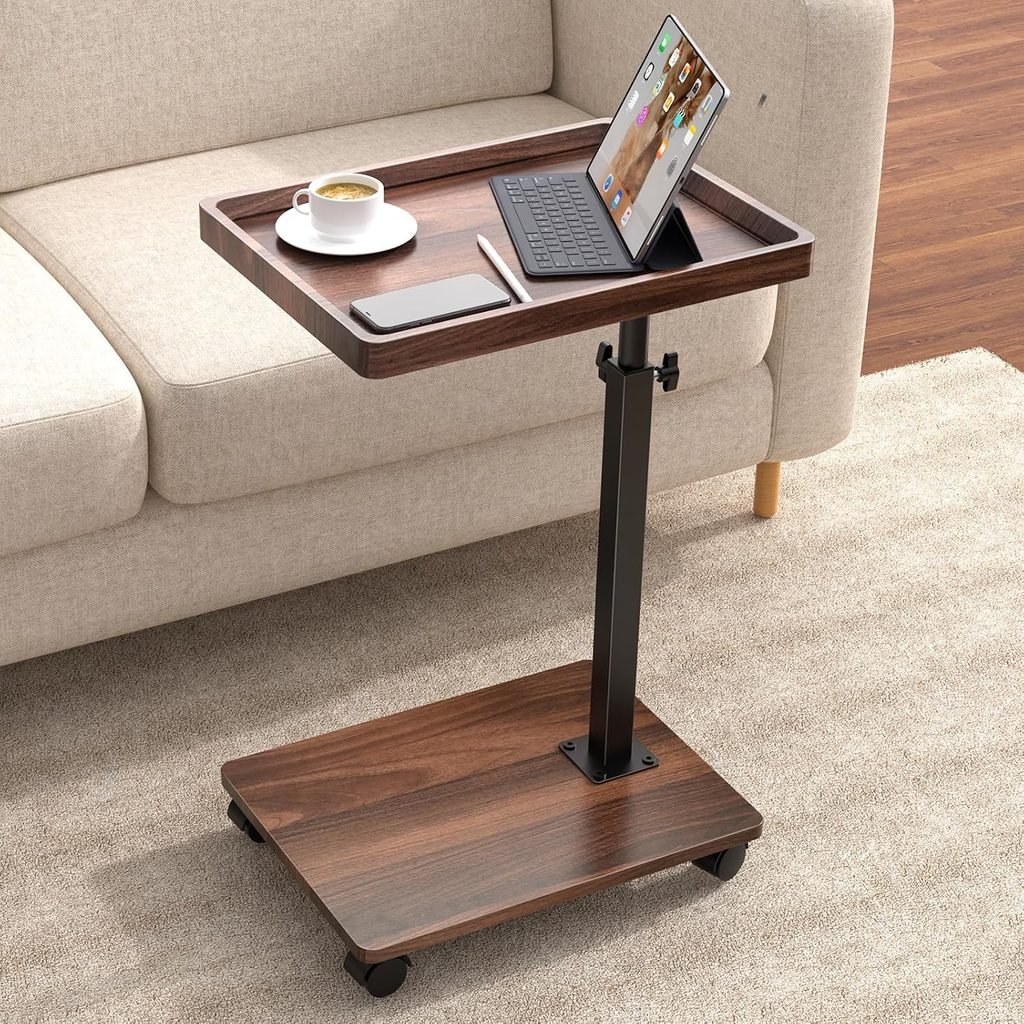
A C-shaped side table can slide underneath or alongside a sofa, making it particularly useful when floor space is limited. living room furniture ideas
👉 Check the Latest Price on Amazon
4. Choose an Entertainment Console With Storage 📺
Your television may be the focal point of the living room, but the area underneath it can do more than simply hold a screen.
An entertainment console gives you an opportunity to combine media organization with useful storage.
Look for a design with enough room for your equipment while providing concealed or open storage for things you don’t want scattered around the room. living room furniture ideas
You might use the compartments for:
- Game consoles
- Remote controls
- Streaming devices
- Books
- DVDs
- Small electronics
- Decorative objects
Don’t Oversize It
A massive media console can make a medium-sized living room feel much smaller.
Measure your television and wall before shopping, and consider the scale of the surrounding furniture.
If your television is mounted on the wall, you may be able to choose a lower-profile console that provides storage without dominating the room.
🛍️ A Practical Choice
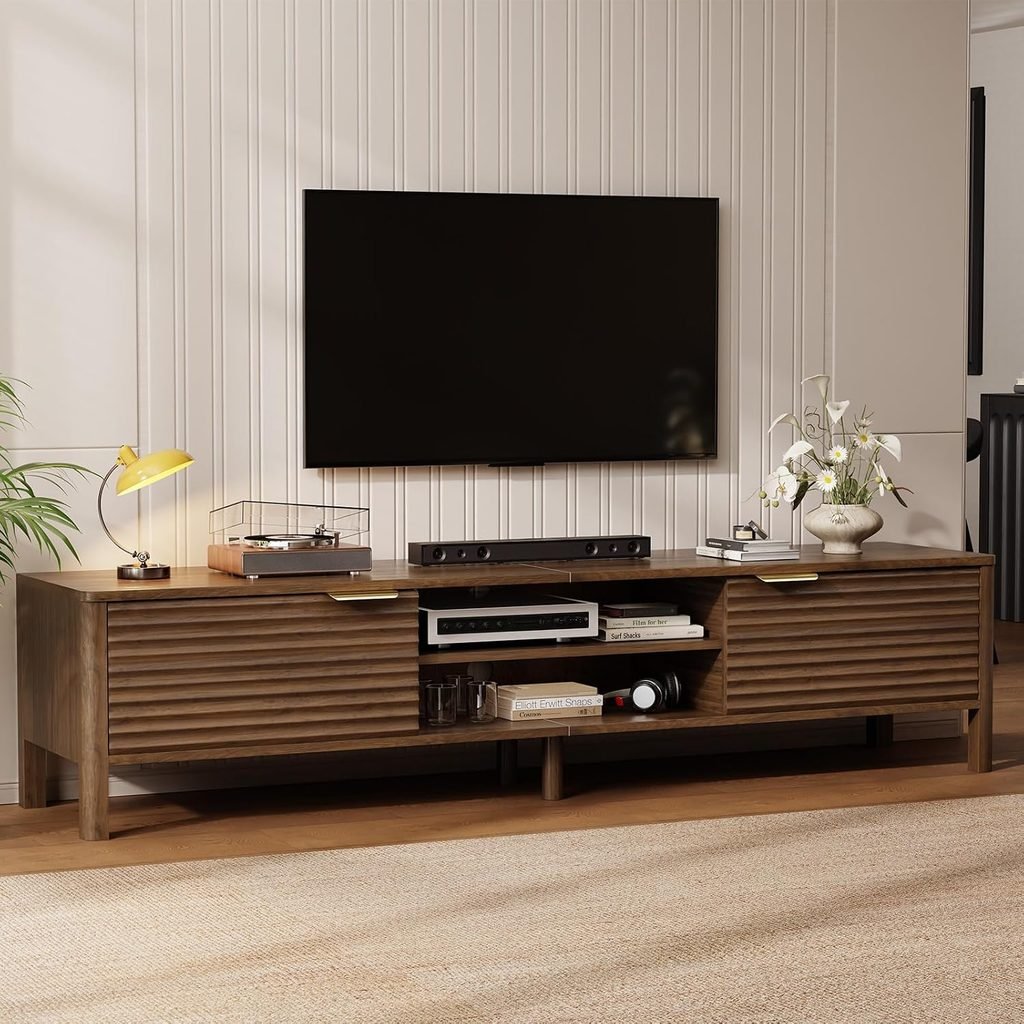
A low-profile entertainment console with closed storage can help keep electronics and everyday clutter organized while giving the television area a finished appearance.
👉 Check the Latest Price on Amazon
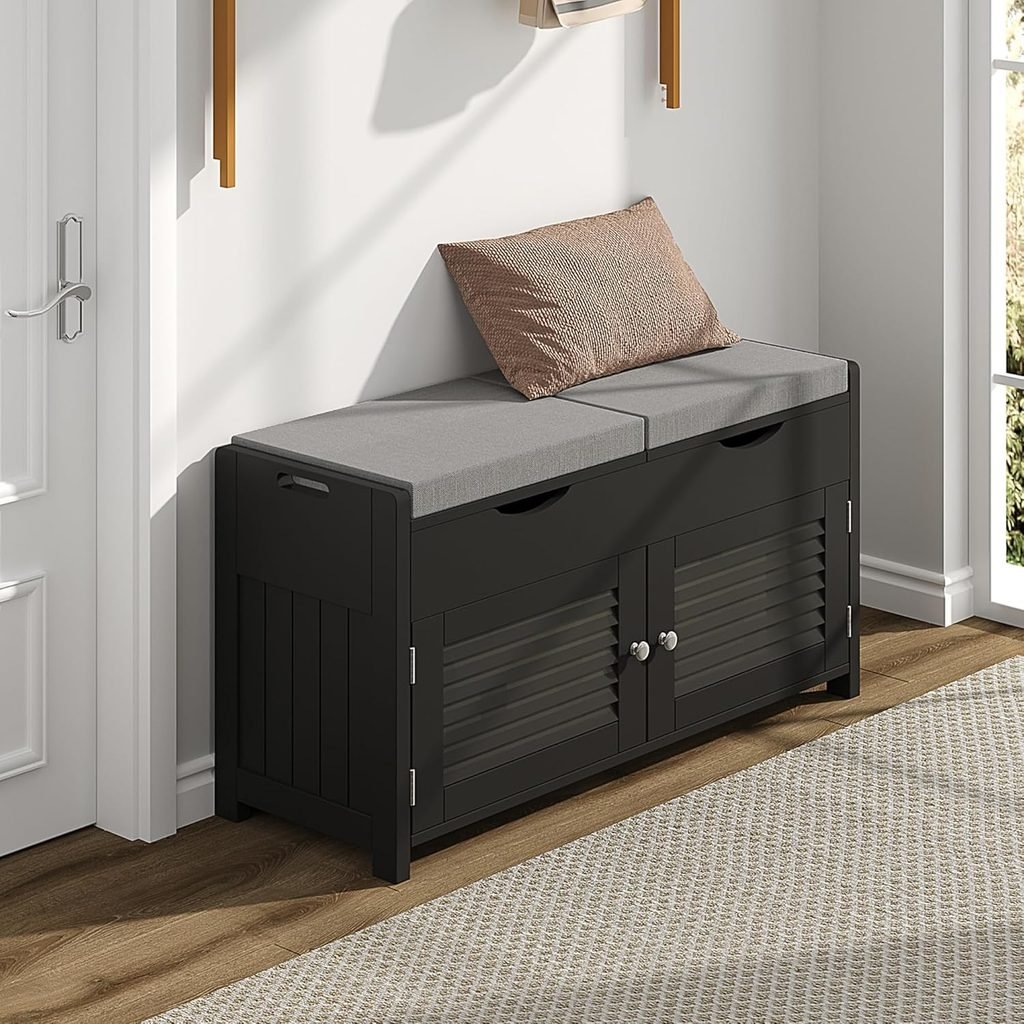
5. Use a Storage Bench for Extra Functionality 🧺
A bench can be one of the most versatile pieces in a living room.
It can provide additional seating when guests arrive, serve as a place to put your feet up, or simply fill an otherwise unused area.
If you choose a model with internal storage, it becomes even more useful.
A storage bench can hide items such as:
- Throw blankets
- Board games
- Extra cushions
- Children’s toys
- Books
- Pet accessories
Where Can You Put One?
A bench doesn’t have to sit directly against a wall.
Depending on its size, you could place it:
- Beneath a window
- Along an empty wall
- Behind a sofa
- Near the entrance to the living room
- At the edge of a seating area
The key is making sure its placement doesn’t interfere with your main walking path. living room furniture ideas
💡 Worth Considering
A lift-top storage bench gives you both seating and hidden storage in one piece, making it particularly useful for busy households.
👉 Check the Latest Price on Amazon
6. Add Flexible Occasional Seating 🪑
Your living room may normally need seating for two or three people, but what happens when several guests arrive?
Buying a large sectional just for occasional gatherings isn’t always practical.
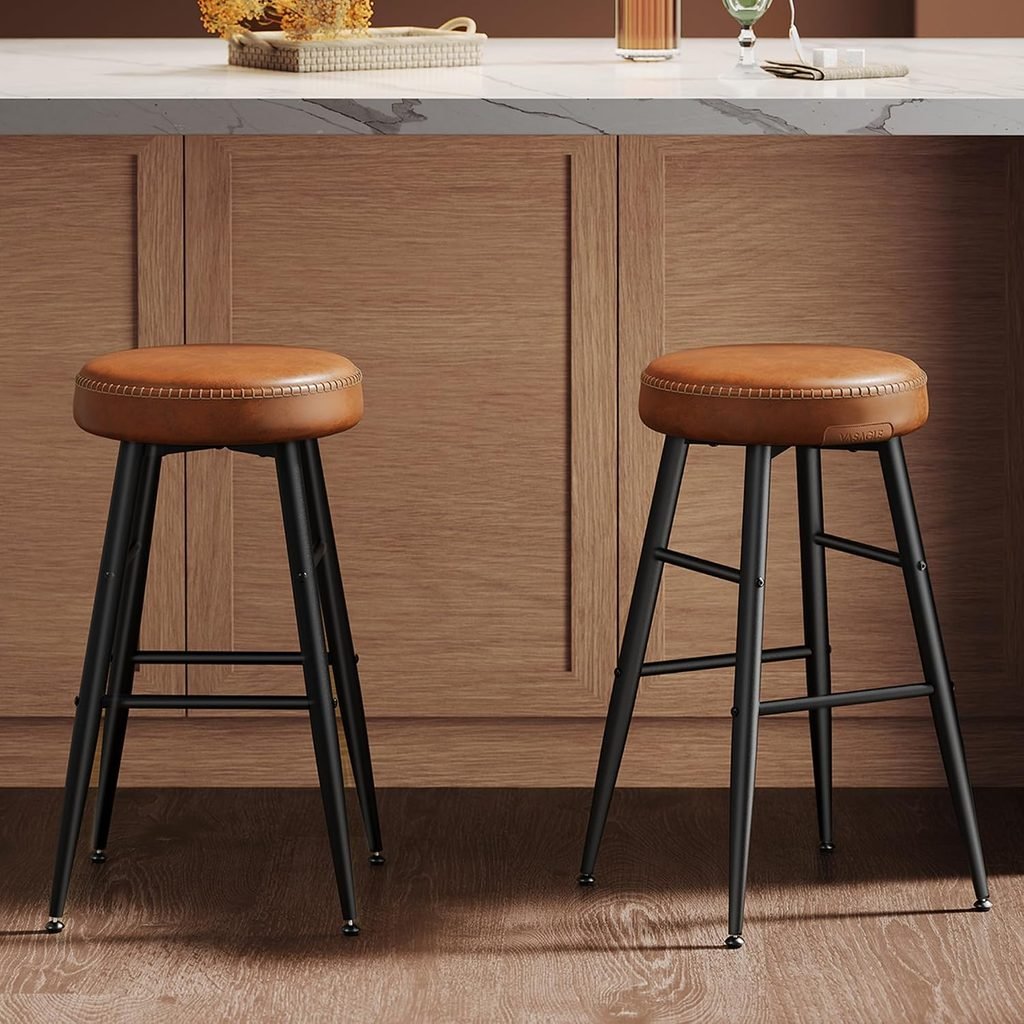
Instead, consider lightweight occasional seating that can be moved when necessary.
Options include:
- Folding chairs
- Compact stools
- Small benches
- Lightweight accent seats
- Floor cushions
These pieces can stay tucked away when you don’t need them and come out when extra seating is required.
Make Flexibility Part of the Plan
Think about where the extra seating will live when it’s not being used.
A folding chair can go into a closet. A stackable stool can fit under a console. A lightweight bench might work in another room when guests aren’t visiting.
This approach allows your living room to adapt without permanently sacrificing valuable floor space.
The Ultimate Guide to Decorating a Living Room: 15 Steps to Create a Stylish & Functional Space
✨ Shop This Look
A pair of stackable wooden stools can provide extra seating without requiring the footprint of two permanent chairs.
👉 Check the Latest Price on Amazon
7. Choose a Coffee Table That Fits the Layout ☕
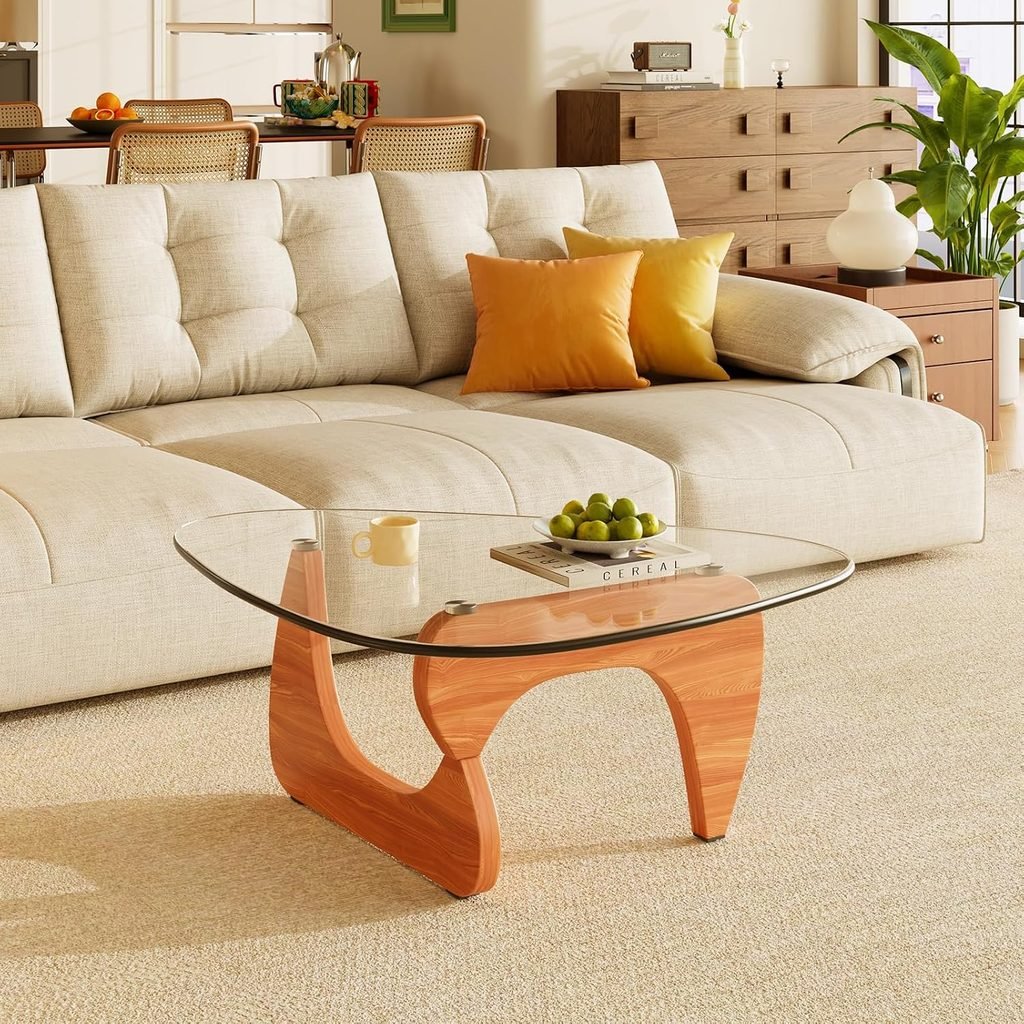
A coffee table should make your seating area more convenient, not make it harder to move around.
When choosing one, don’t focus only on its appearance. Think about the space between the table and your sofa and chairs, as well as the overall shape of the room.
A table that’s too large can dominate the seating area, while one that’s too small may look disconnected.
Consider the Shape
Different layouts work better with different table shapes.
- Rectangular: Works well with longer sofas.
- Round: Useful when you need easier movement around the table.
- Oval: Offers the length of a rectangular table with softer edges.
- Square: Can work nicely with a symmetrical seating arrangement.
- Nesting tables: Give you flexibility when you occasionally need extra surface space.
Also consider what you’ll actually use the table for.
If your household regularly keeps books, remotes, games, or other items nearby, a table with a lower shelf or concealed compartment may be more useful than a completely open design.
✨ A Smart Addition
A lift-top coffee table can provide a useful surface for eating or working while offering additional storage underneath.
👉 Check the Latest Price on Amazon
8. Create a Dedicated Reading Spot 📚
If you have an unused corner in your living room, don’t automatically fill it with another cabinet.
Instead, consider turning it into a small reading or relaxation area.
You don’t need a huge amount of space.
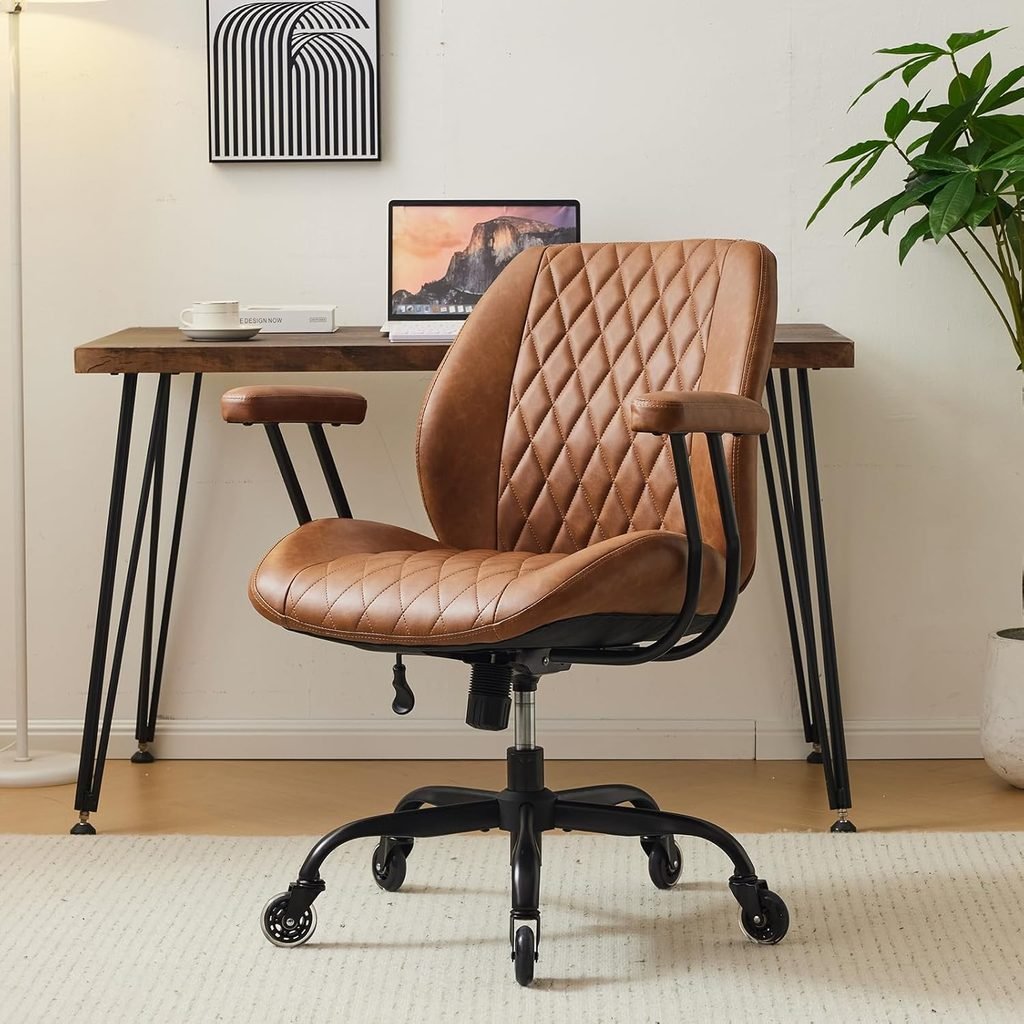
A comfortable seat, a small surface for your book or drink, and appropriate lighting can create a useful little retreat.
Try positioning the chair near a window if you have good natural light. Alternatively, place it beside an existing light source.
Keep the Arrangement Simple
You could combine:
Comfortable chair + small table + reading material
That’s often enough.
If the area is already tight, avoid adding unnecessary furniture around the chair. The goal is to create a destination within the room without making the entire space feel crowded.
🏠 A Practical Choice
A compact reading chair with a slim profile can turn an unused corner into a comfortable spot for reading, relaxing, or enjoying your morning coffee.
👉 Check the Latest Price on Amazon
9. Add Furniture That Provides Hidden Storage 📦
Living rooms tend to collect things.
Remote controls, blankets, games, electronics, books, toys, and miscellaneous household items can quickly find their way onto visible surfaces.
Rather than constantly moving these items from one place to another, consider furniture that provides concealed storage.
This keeps useful belongings nearby while maintaining a cleaner appearance.
Good Places to Hide Storage
Consider:
- A media console with cabinets
- An ottoman with a storage compartment
- A sideboard
- A storage bench
- A cabinet with doors
- A console with drawers
Closed storage is especially useful for items that don’t contribute much to the room’s appearance.
Open shelves can still be used for things you actually want to display.
Don’t Turn Storage Into Clutter
Having more storage doesn’t automatically solve an organization problem.
Try grouping similar belongings together and avoid filling every compartment simply because the space is available.
10 Small Living Room Ideas That Make Your Space Feel Bigger
💡 Worth Considering
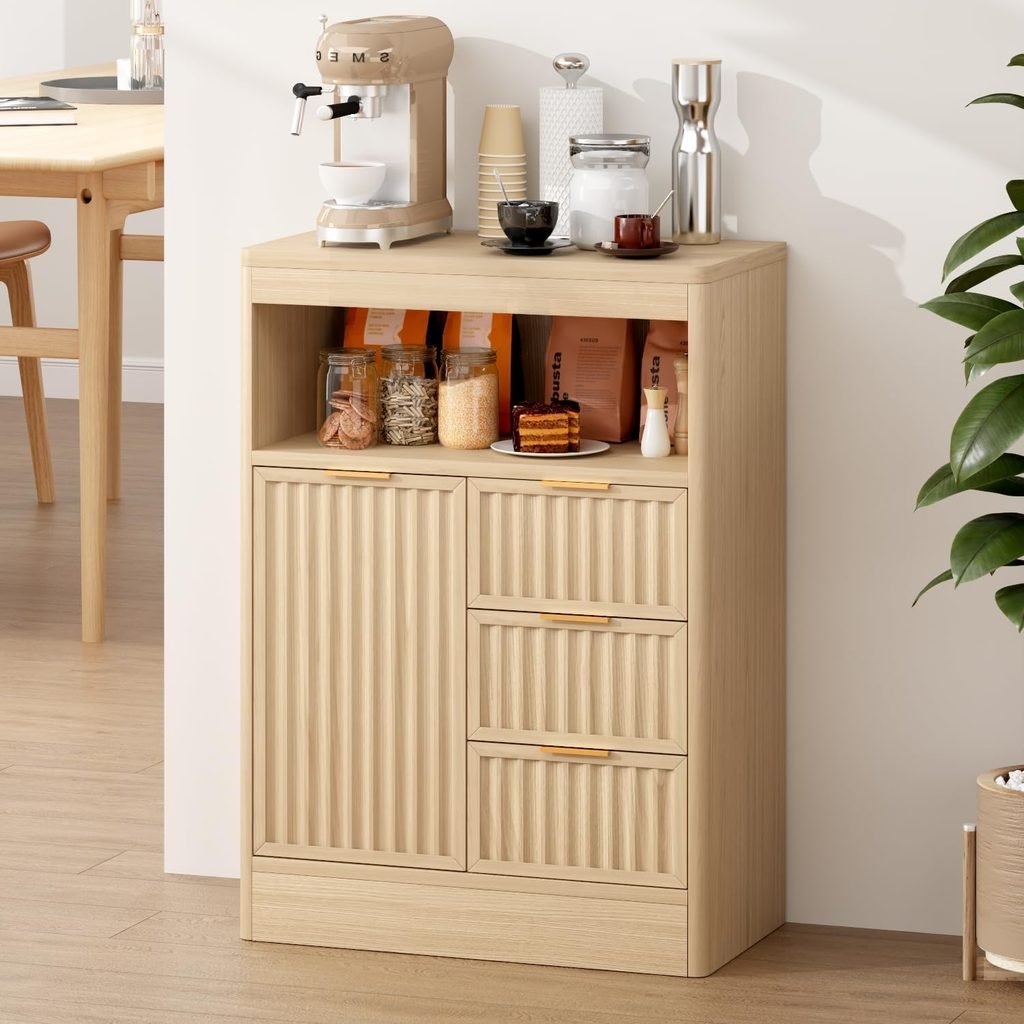
A compact sideboard with enclosed cabinets can provide substantial hidden storage while also giving you a surface for artwork, plants, or other decorative pieces.
👉 Check the Latest Price on Amazon
10. Use Furniture to Define Different Zones 🏠
Today’s living rooms often serve multiple purposes.
One part may be used for television and relaxation, while another becomes a workspace, reading corner, or children’s play area.
You don’t necessarily need walls or permanent partitions to separate these functions.
Furniture itself can help establish different zones.
For example, positioning a sofa with its back toward a small workspace can create a subtle visual boundary. A console behind the sofa can reinforce that separation while providing additional storage or display space.
Try These Combinations
Sofa + console → defines the main seating area
Chair + side table → creates a reading zone
Desk + shelving → establishes a work corner
Bench + storage cabinet → creates a practical secondary area
The important thing is to maintain a clear relationship between the zones.
You want the room to feel like one connected space with different purposes, rather than several unrelated areas squeezed together.
✨ Shop This Look
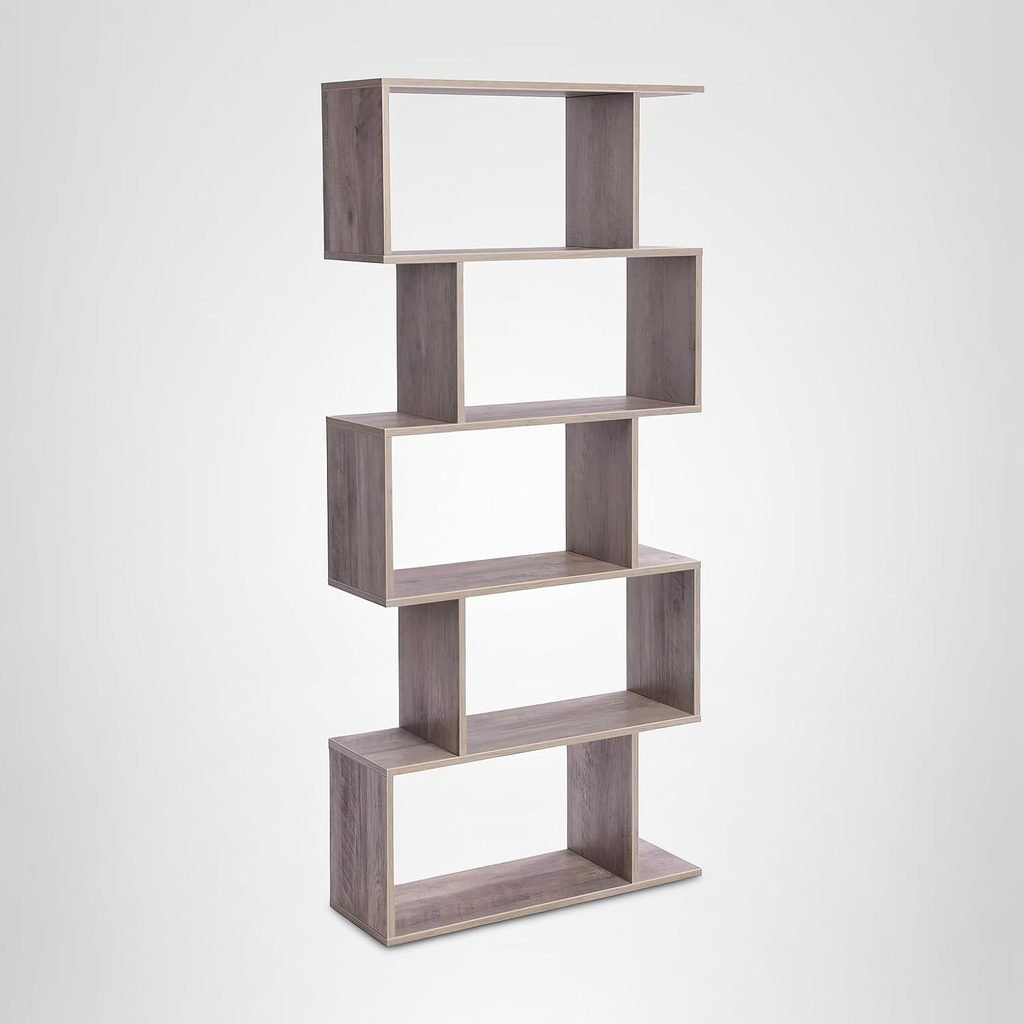
A narrow open shelving unit can act as a subtle room divider while allowing light and visibility to pass through.
👉 Check the Latest Price on Amazon
11. Balance Large and Small Furniture Pieces ⚖️
A living room can feel awkward when every piece of furniture has roughly the same visual weight.
For example, a large sofa paired with an oversized cabinet and a huge coffee table can make the room feel heavy. On the other hand, filling a large living room entirely with tiny furniture can leave the space looking scattered.
The goal is to create contrast while keeping everything proportional.
Try combining substantial pieces with lighter-looking furniture.
For example:
Large sofa + slim side table + compact coffee table
or
Full-size media console + lightweight occasional chair + narrow shelving
This creates a more balanced composition and allows individual pieces to stand out.
Look at the Room From a Distance
Don’t judge every furniture piece separately.
Stand at the entrance of the room and look at everything together.
If one item immediately dominates the entire space, consider whether it is too large—or whether the surrounding furniture needs to be adjusted.
✨ A Simple Addition
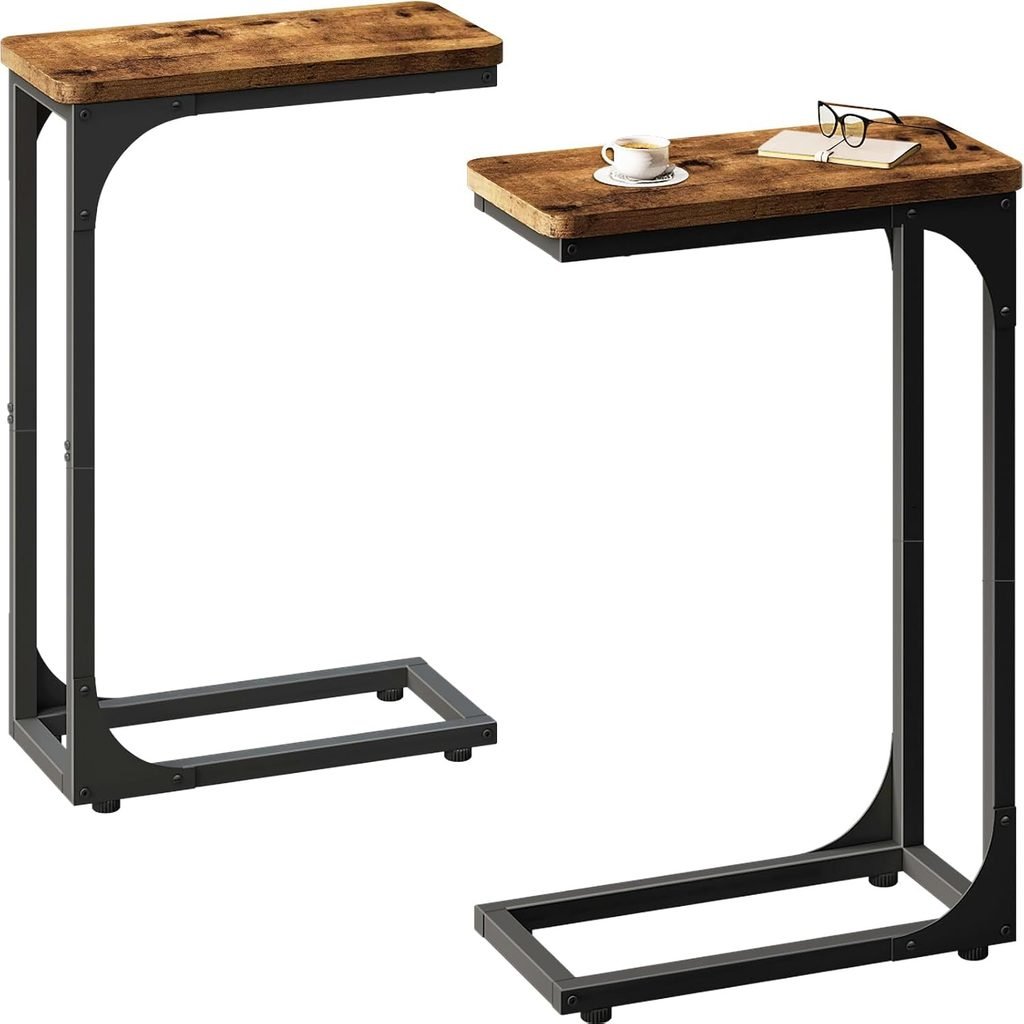
A slim accent table with an open base can add useful surface space without introducing another visually heavy piece of furniture.
👉 Check the Latest Price on Amazon
12. Leave Enough Space for Movement 🚶
One of the most important living room furniture ideas isn’t actually about what you buy.
It’s about the space you leave between the things you already own.
A living room should feel comfortable to walk through. You shouldn’t have to squeeze between the sofa and coffee table or move a chair every time someone walks toward the doorway.
Before finalizing your layout, identify the main routes people use through the room.
For example:
Door → seating area → hallway
or
Sofa → kitchen → dining area
Keep these pathways as clear as possible.
Don’t Fill Every Empty Spot
An empty corner may tempt you to add another chair, table, or cabinet.
But if the room already has everything you need, leaving that corner open may actually improve the layout.
Space itself has value.
A room with fewer furniture pieces but comfortable movement often feels much more functional than one packed with items.
🏠 A Practical Choice
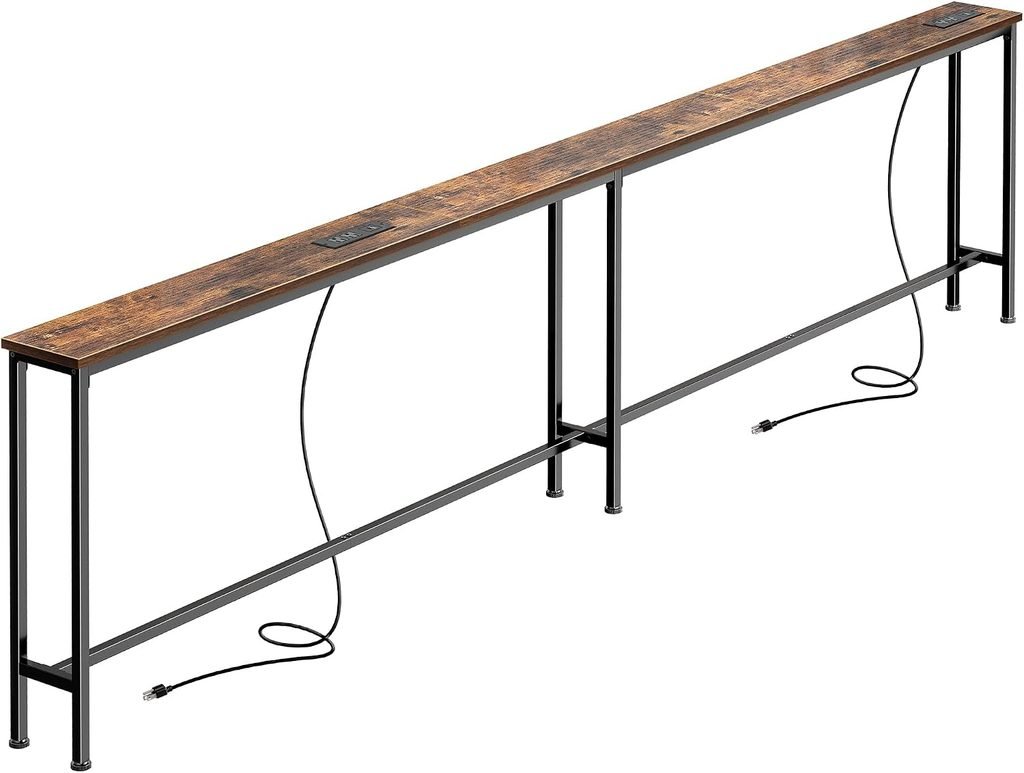
A narrow console table can provide useful storage or display space along a wall without significantly reducing the walking area.
👉 Check the Latest Price on Amazon
How to Arrange Living Room Furniture
Once you’ve chosen your furniture, the arrangement becomes just as important as the individual pieces.
Start with the largest item, usually the sofa.
Then position the remaining furniture around it.
A simple order to follow:
1. Place the sofa
Choose the position that makes the most sense for the room’s focal point.
2. Add the main seating
Place chairs or additional seating where they support conversation and maintain clear pathways.
3. Position the coffee table
Keep it close enough to be useful without making movement difficult.
4. Add side tables
Give frequently used seats a convenient surface.
5. Introduce storage
Add cabinets, consoles, or shelving only where they’re genuinely needed.
6. Check the walkways
Walk through the room and make sure the arrangement works in real life.
Don’t be afraid to move things around several times.
The first layout you try isn’t necessarily going to be the best one.
Furniture Shopping Checklist 📝
Before purchasing any major piece for your living room, ask yourself these questions:
📏 Size
- Have I measured the available space?
- Will it fit through my doorway?
- Does its depth work with my layout?
🛋️ Comfort
- Is it comfortable enough for everyday use?
- Does it provide the seating or storage I actually need?
🔄 Flexibility
- Can it serve more than one purpose?
- Can I move it if I change my layout later?
🏠 Style
- Does it complement my existing furniture?
- Does its material and finish work with my color palette?
🚶 Function
- Will people still be able to move around comfortably?
- Can doors and drawers open properly?
💰 Value
- Am I buying this because I need it, or simply because I like how it looks?
That last question can save you from buying furniture that eventually becomes clutter.
Common Living Room Furniture Mistakes to Avoid ❌
Even attractive furniture can become a problem when it’s poorly chosen or positioned.
Buying everything at once
Give yourself time to understand how the room works before filling it completely.
Ignoring measurements
Always check dimensions rather than relying on product photographs.
Choosing appearance over comfort
Your living room should be enjoyable to use, not just nice to photograph.
Blocking natural pathways
Furniture should support movement rather than create obstacles.
Adding too much storage
More cabinets aren’t necessarily better if you don’t actually need them.
Choosing furniture that’s too large
Oversized pieces can make a room feel considerably smaller than it really is.
Forgetting flexibility
A piece that works perfectly today may become inconvenient if your needs change.
Final Thoughts
Choosing living room furniture is less about finding the biggest, trendiest, or most expensive pieces and more about finding the right pieces for your particular space.
Start by understanding how you use the room. Measure carefully, consider the proportions of each item, and prioritize furniture that provides genuine value in your everyday life.
Look for pieces that can perform multiple functions, make use of otherwise wasted space, and give you enough flexibility to change your layout when needed.
Most importantly, don’t rush to fill every empty area.
A successful living room needs furniture, but it also needs space to move, relax, and breathe.
When comfort, function, proportion, and personal style work together, even a modest living room can become a place that feels organized, welcoming, and genuinely enjoyable to spend time in.