
Introduction
Furnishing a small home can be surprisingly challenging. furniture for small spaces
A piece of furniture may look great in the showroom or on an internet photo. After bringing it to your cozy but small room, it may create a mess instead. The issue is not necessarily the amount of furniture in the room but the wrong choice of the detail, its size, and its functionality.
The good news is that having a small space does not mean having to live with little comfort and style.
With the right approach, you can create a room that has everything you need while still leaving enough space to move around comfortably. The key is to think carefully about scale, function, storage, flexibility, and visual balance before buying anything.
In this guide, we’ll walk through everything you need to know about choosing furniture for small spaces, including what to measure, which features are worth prioritizing, what mistakes to avoid, and how to make your furniture work harder for you.
1. Measure Your Space Before Buying Anything 📏
Before you start browsing furniture, grab a measuring tape.
This may sound obvious, but it’s one of the easiest steps to skip—and one of the most expensive mistakes to make.
Knowing the dimensions of your room gives you a realistic idea of what can actually fit. Measure the length and width of the room, but don’t stop there.
Also measure:
- Doorways
- Hallways
- Window locations
- Ceiling height
- Existing furniture
- Available wall space
- Distance between major furniture pieces
Don’t forget to consider doors and drawers. A cabinet might technically fit against a wall but become difficult to use if there isn’t enough space to open its doors.
Create a Simple Furniture Plan
You don’t need professional interior-design software.
A basic sketch showing your walls, doors, windows, and approximate furniture dimensions can be enough.
Before ordering a large piece, compare its measurements with the space where you intend to put it.
An even better trick is to mark the furniture’s footprint on the floor using painter’s tape.
This lets you physically see how much room the piece will occupy before you commit to it.
💡 A Smart First Purchase
A compact measuring tape with a clear measurement display is inexpensive but extremely useful when furnishing a small home.
👉 Check the Latest Price on Amazon

2. Choose Furniture That Serves More Than One Purpose 🔄
When space is limited, every piece of furniture should earn its place.
One of the smartest strategies is to look for pieces that can perform two or more jobs.
Instead of buying separate furniture for every need, consider whether one item can combine functions.
For example:
- A bench can provide seating and storage.
- A console can work as a workspace.
- An ottoman can provide seating and hidden storage.
- A daybed can function as both seating and sleeping space.
- A dining table can double as a home office.
This doesn’t mean every item in your home needs to be multifunctional.
You simply want to prioritize versatility where it makes sense.
Think About Your Routine
Before buying something, ask:
“Can this piece solve more than one problem?”
If the answer is yes, it may be especially valuable in a compact home.
✨ Worth Considering
A storage bench can be a particularly useful choice for small homes because it provides seating while giving you somewhere to hide blankets, shoes, bags, or other belongings.
👉 Check the Latest Price on Amazon
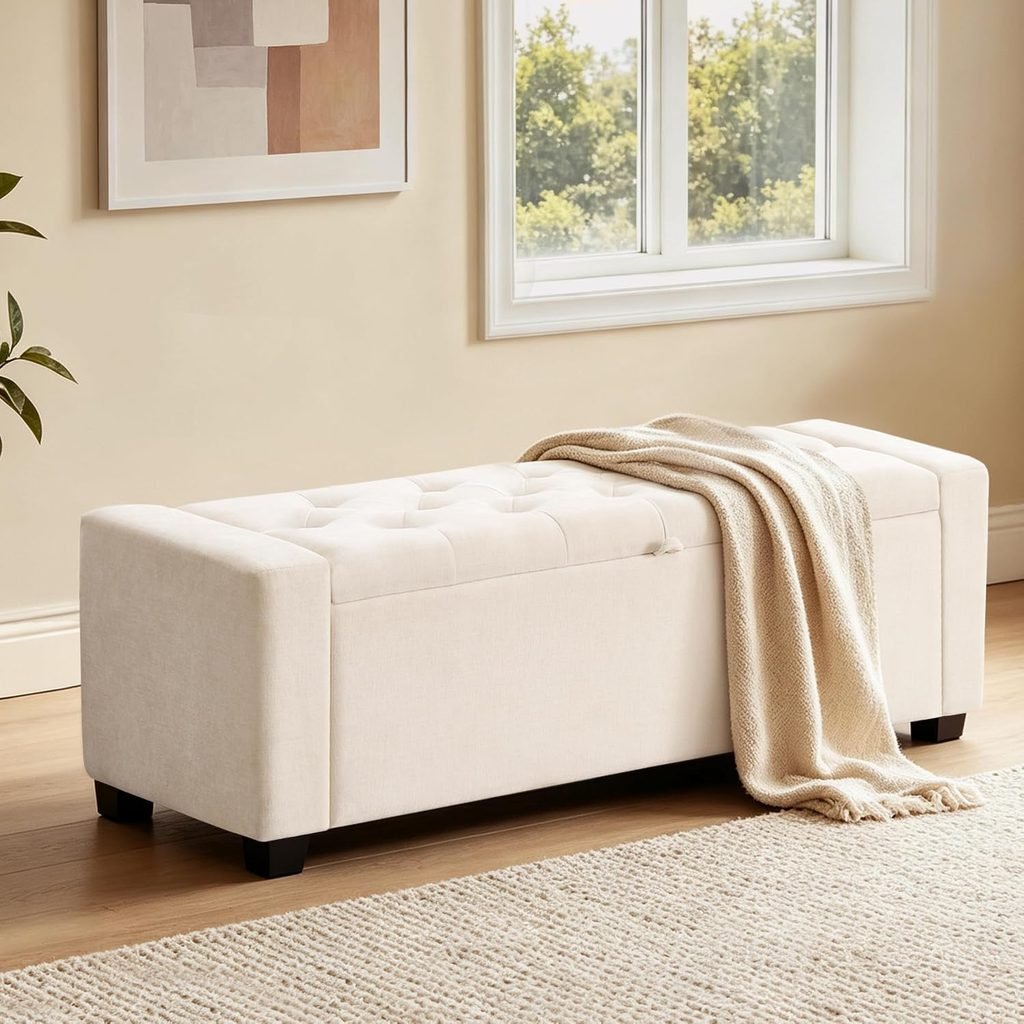
3. Look for Furniture With a Small Footprint 🪑 furniture for small spaces
A small room doesn’t necessarily require tiny furniture.
What you really want is furniture with the right footprint.
A piece can be comfortable and attractive while still taking up relatively little floor space.
Look for furniture with:
- Narrow depths
- Slim frames
- Compact widths
- Raised legs
- Clean silhouettes
- Proportional dimensions
For example, a deep sofa might technically fit in your living room but leave very little space for movement. A slightly shallower sofa could provide nearly the same seating capacity while making the room much easier to navigate.
Don’t Confuse “Small” With “Uncomfortable”
The goal isn’t to buy miniature furniture.
You still want seating that supports your body and storage that actually holds what you need.
Instead, compare several versions of the same furniture category and pay attention to depth as well as width.
That extra few inches can make a surprisingly big difference in a compact room.
🛍️ A Practical Choice
A slim console table can provide useful surface space without extending too far into a walkway.
It can work behind a sofa, against a hallway wall, or along a narrow entryway.
👉 Check the Latest Price on Amazon
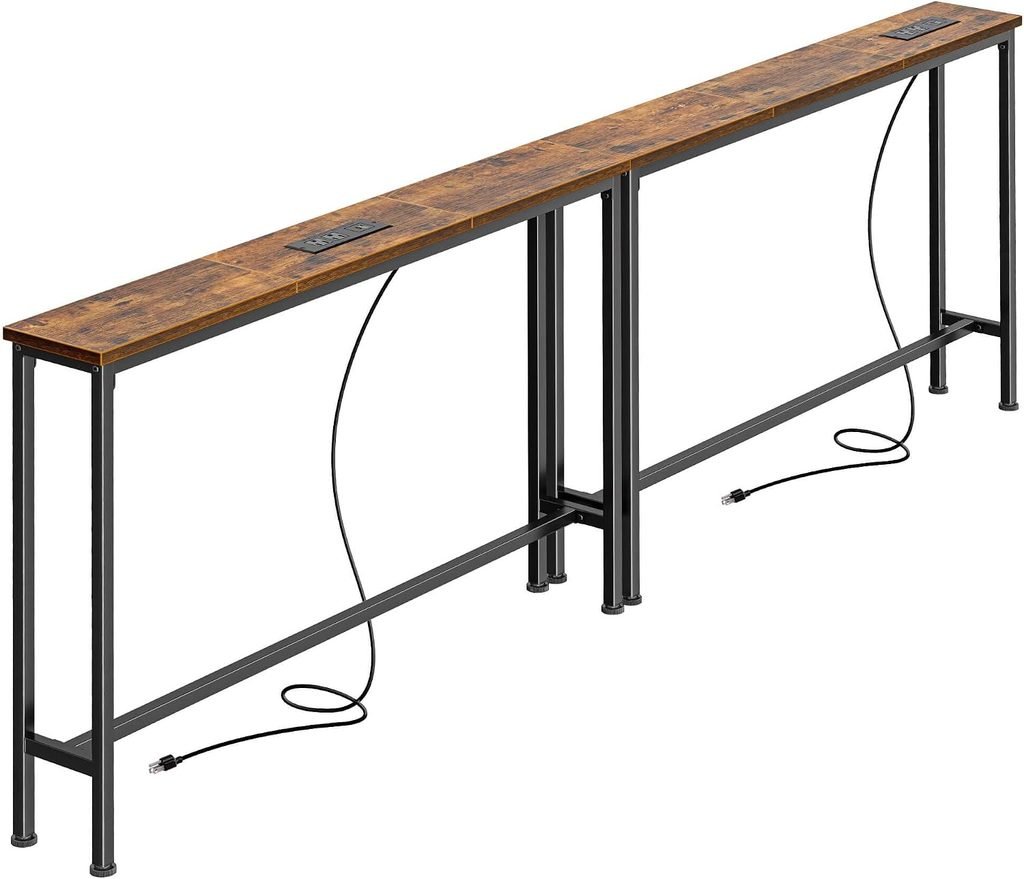
4. Use Vertical Furniture to Save Floor Space 📚
When floor space is limited, your walls become valuable real estate.
Instead of choosing wide furniture that spreads across the room, consider tall and narrow pieces that make use of vertical space.
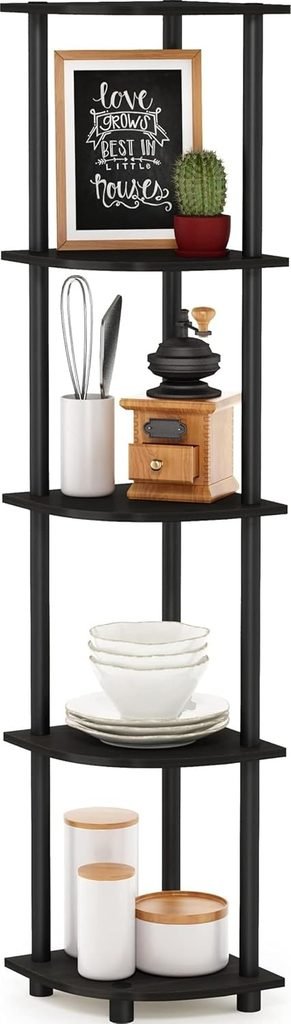
A tall bookcase, narrow storage tower, or vertical cabinet can provide plenty of storage while using only a small amount of floor area.
This is especially useful in:
- Small bedrooms
- Apartments
- Narrow hallways
- Compact home offices
- Small living rooms
Think Up, Not Out
Imagine you need additional storage. A wide cabinet might require several feet of floor space, while a taller version could provide similar capacity within a much narrower footprint.
However, make sure tall furniture is properly secured according to the manufacturer’s instructions, particularly in homes with children or pets.
✨ Worth Considering
A tall, narrow bookcase can give you additional storage for books, baskets, plants, and decorative pieces without taking over the room.
👉 Check the Latest Price on Amazon
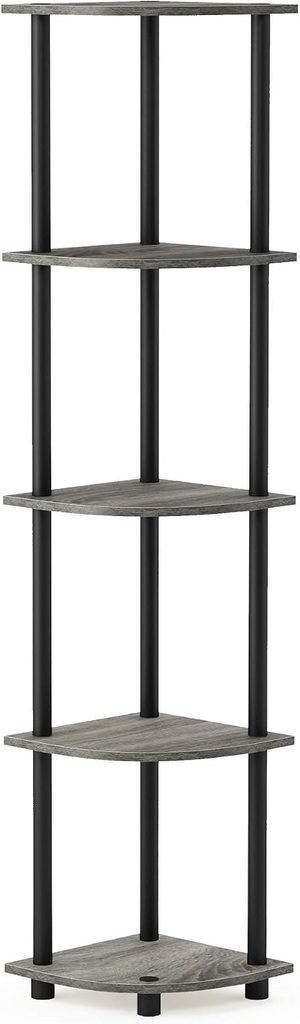
5. Choose the Right Sofa for a Small Room 🛋️
The sofa is often the largest piece of furniture in a living room, so getting its proportions right is crucial.
A common mistake is choosing a sofa based only on how many people it can seat.
In a small living room, you also need to consider its depth, armrest size, back height, and overall visual weight.
A sofa with very deep seating and oversized arms can consume a surprising amount of usable space.
Instead, look for a design that provides comfortable seating without unnecessary bulk.
Before Buying, Check:
- Overall width
- Seat depth
- Armrest thickness
- Back height
- Leg height
- Clearance around the sofa
Also think about how the sofa will interact with the rest of the room.
You don’t want a large sofa leaving only a narrow pathway between the seating area and the door.
A Useful Tip
If you’re furnishing a particularly compact room, consider a loveseat or apartment-size sofa rather than automatically choosing a full-size sectional.
You’ll often gain more flexibility in the layout.
🏠 A Practical Choice
An apartment-size loveseat can provide comfortable seating while leaving more room for walking paths and other essential furniture.
👉 Check the Latest Price on Amazon
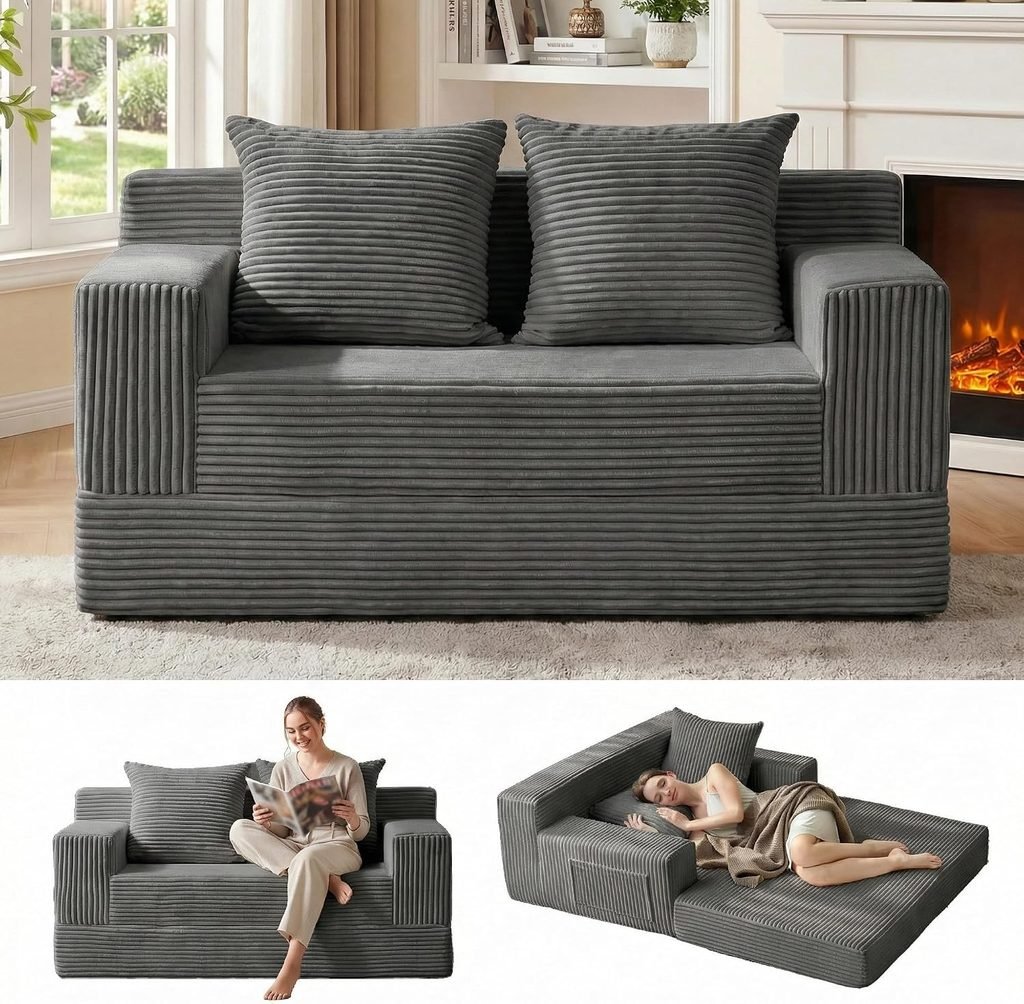
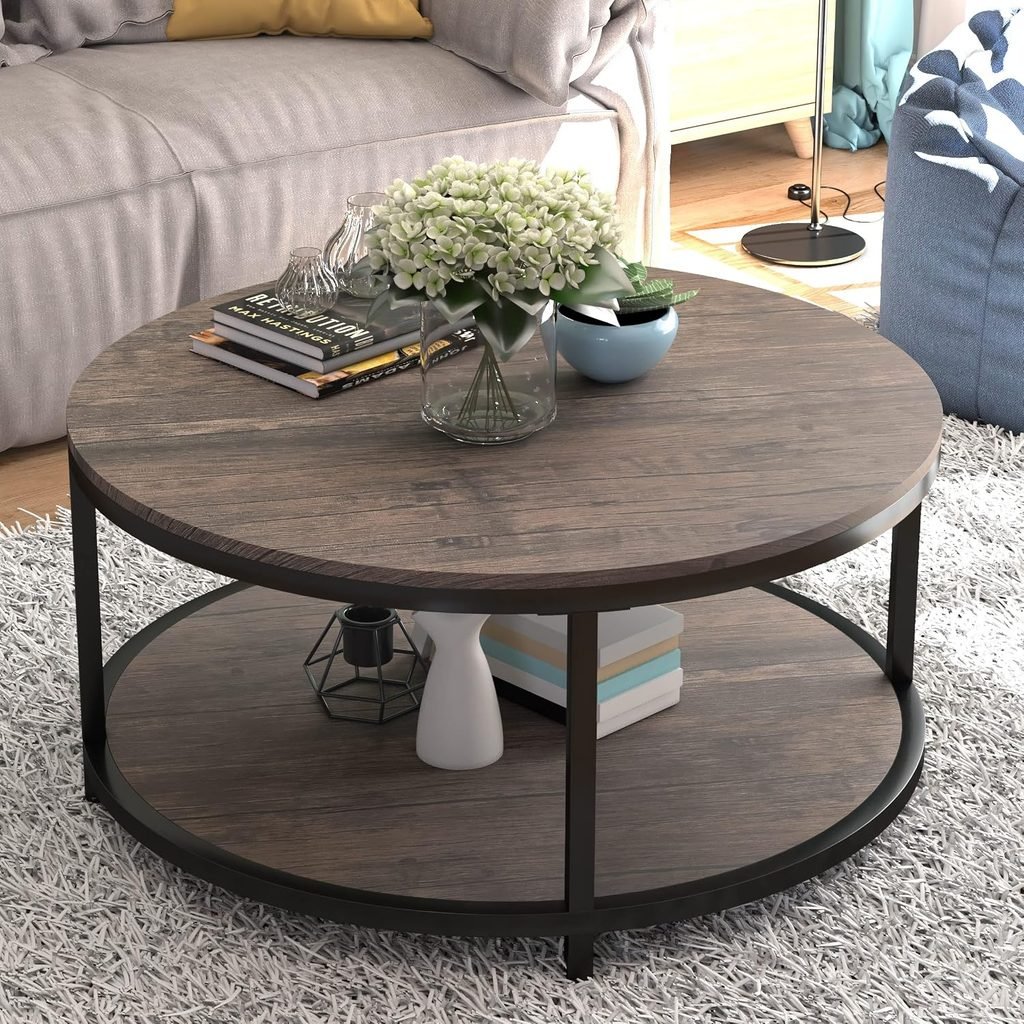
6. Pick a Coffee Table That Doesn’t Overwhelm the Room ☕
A coffee table should complement your seating—not compete with it.
In a compact living room, an oversized coffee table can make the entire seating area feel cramped.
Before choosing one, consider the space between the table and your sofa or chairs. You want enough room to move comfortably while keeping the table close enough to be useful.
Consider Alternative Shapes
A traditional rectangular coffee table isn’t your only option.
Depending on your layout, you might prefer:
- A small round table
- An oval table
- A narrow rectangular design
- A nesting arrangement
- A compact table with storage
Round and oval designs can be particularly useful where people need to move around the furniture because they don’t have sharp corners projecting into the walking area.
Think About Function Too
If your coffee table also includes a lower shelf or storage compartment, it can help reduce the need for another piece of furniture.
Just avoid using its surface as a permanent storage area. A table covered with remotes, books, chargers, and miscellaneous items can make a small room feel even more crowded.
✨ Shop This Look
A compact round coffee table with a lower shelf can provide a useful surface while maintaining a relatively light footprint.
👉 Check the Latest Price on Amazon
7. Use Flexible Seating When Space Is Limited 🪑
Small homes often need furniture that can adapt to different situations.
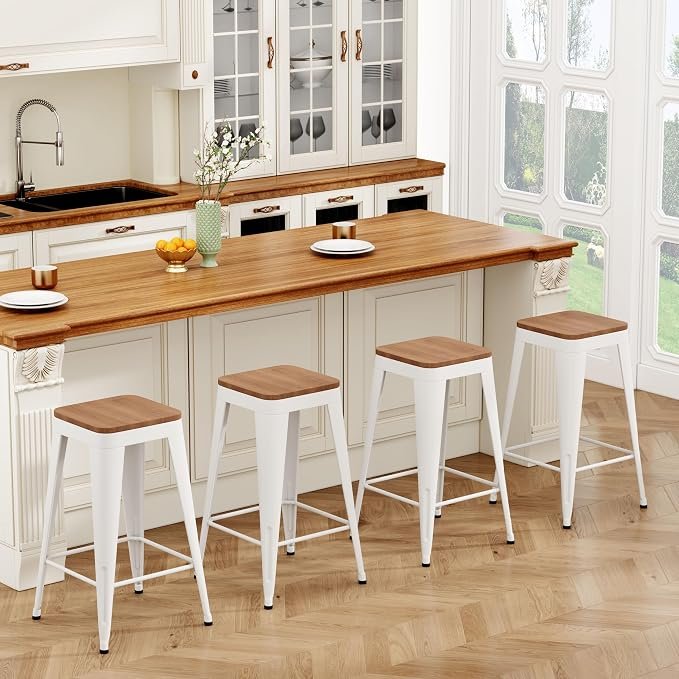
You might need extra seating when friends visit, but keeping several full-size chairs in the room all the time could waste valuable space.
This is where flexible seating becomes useful.
Consider pieces that can be moved easily when needed, such as:
- Folding chairs
- Stackable stools
- Lightweight benches
- Small poufs
- Compact occasional chairs
You can keep these pieces against a wall or in another room when they aren’t needed and bring them out when you have guests.
Why Flexibility Matters
A small room has to perform multiple jobs.
Your living room might be a place to watch television, work, read, entertain guests, and relax.
Furniture that can move with your needs makes the room much easier to use.
🛍️ A Smart Choice
A pair of stackable stools can provide additional seating when guests arrive without permanently occupying the same amount of space as traditional chairs.
👉 Check the Latest Price on Amazon
8. Choose Smart Bedroom Furniture 🛏️
A bedroom doesn’t need to contain a large collection of furniture to feel complete.
In a compact room, it’s usually better to choose a few pieces that fit comfortably and leave enough space for movement.
Start with the bed because it takes up the largest portion of the floor. Once you’ve decided on the bed size, think about what you actually need around it.
You may not need two large nightstands, a full-size dresser, a bench, and several additional cabinets.
Instead, consider furniture that gives you the essentials without overwhelming the room.
Pay Attention to Proportion
A king-size bed in a very small bedroom may leave little room for anything else. If your lifestyle allows it, a queen or full-size bed can sometimes create a much more comfortable layout.
The same principle applies to bedside furniture.
A narrow nightstand can provide enough room for a phone, book, and glass of water without taking up unnecessary floor space.
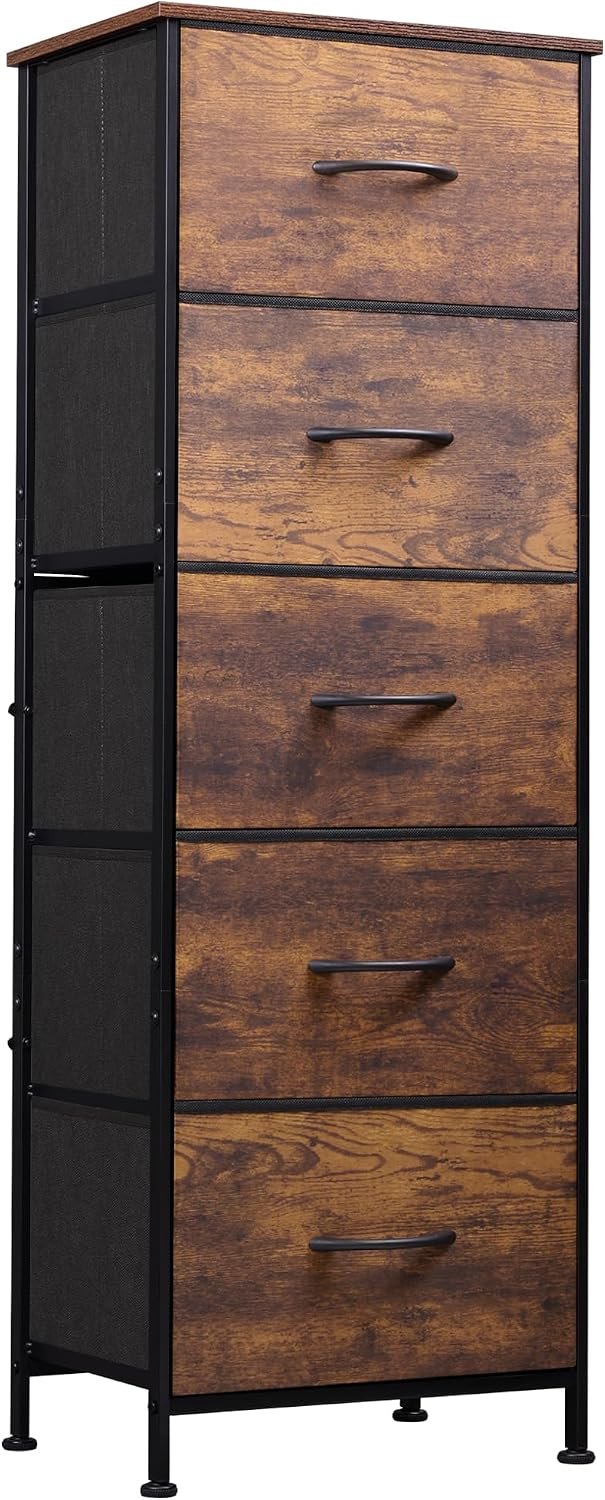
🛍️ A Practical Choice
A narrow bedroom dresser can provide essential clothing storage while fitting into spaces where a standard deep dresser would be difficult to use.
👉 Check the Latest Price on Amazon
9. Don’t Forget Hidden Storage 📦
One of the biggest challenges of living in a small space is finding somewhere to put everything.
The solution isn’t always adding another cabinet.
Instead, look for opportunities to hide storage inside furniture you already need.
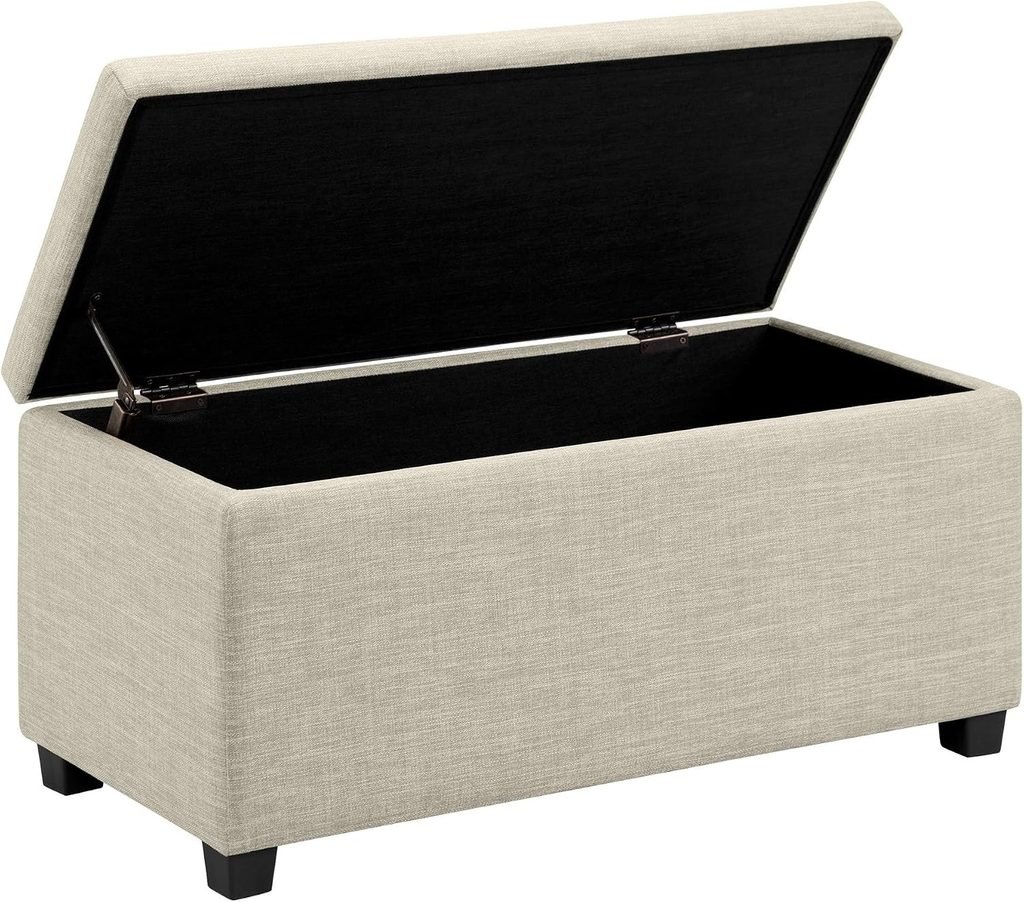
A bed with drawers, an ottoman with a storage compartment, or a bench with a lift-up seat can provide valuable storage without requiring another piece of furniture.
This approach is particularly useful for items that you don’t need every day.
Great Things to Store Out of Sight
- Seasonal clothing
- Extra blankets
- Spare bedding
- Shoes
- Bags
- Board games
- Documents
- Small household items
Keeping these belongings hidden also improves the visual appearance of the room.
When fewer things are visible, the space can feel calmer and more organized.
💡 A Smart Furniture Choice
A storage ottoman bench can work as seating, a footrest, and a place to hide everyday clutter.
It’s particularly useful at the end of a bed or along the side of a living room seating area.
👉 Check the Latest Price on Amazon
10. Use Furniture to Create Separate Zones 🏠
A small room doesn’t necessarily need walls to have different functional areas.
With the right furniture arrangement, you can create separate zones while keeping the space open.
For example, one part of a living room could function as a relaxing seating area while another corner becomes a compact workspace.
A narrow console, open bookcase, or small desk can help visually define these areas without completely blocking the room.
Think About How You Use the Space
Ask yourself:
Where do I relax?
Where do I work?
Where do I eat?
Where do I store things?
Once you identify these activities, position your furniture so each area has a clear purpose.
You don’t necessarily need a physical divider between them.
Keep the Pathways Open
The biggest mistake is using furniture to divide the room so aggressively that movement becomes difficult.
Leave clear paths between major areas.
A small home feels much more comfortable when you can move from one zone to another without constantly navigating around furniture.
✨ Worth Considering
An open-back bookcase or narrow shelving unit can subtly separate two areas while still allowing light and visibility to pass through.
👉 Check the Latest Price on Amazon
Final Thoughts: Choosing Furniture for a Small Space
Furnishing a small home isn’t about trying to fit as much furniture as possible into the room. It’s about choosing pieces that fit your space, support the way you live, and make everyday life easier.
Before buying anything, take a few minutes to measure the room and think about how you’ll actually use it. A smaller sofa may give you more freedom to move around, while a storage bench or multifunctional piece can solve two problems without requiring additional floor space.
Don’t overlook the visual side either. Furniture with slim proportions, raised bases, and simple silhouettes can help a compact room feel more open. At the same time, a carefully chosen statement piece can give the space personality without filling every corner.
Most importantly, don’t buy furniture simply because it looks good on its own. Think about how it will work with everything you already have.
A successful small-space interior should give you enough room to sit, move, store your belongings, relax, and enjoy your home comfortably.
Start with the pieces you need most, measure carefully, and add furniture gradually. With a little planning, even a compact room can feel functional, comfortable, stylish, and surprisingly spacious. 🏡✨
For More Guidance : The Complete Guide to Making Your Home Look Expensive on Any Budget