
Introduction
Decorating a small living room can be challenging. You want the space to feel comfortable and stylish, but adding too much furniture or too many accessories can quickly make the room feel crowded.
The good news is that an average living room which seems somewhat cramped does not have to stay that way. By using particular furniture, layout structures, storage areas and decor you can create a living room that is larger than it appears.
The one major way that many people are likely to go wrong is by deciding to get rid of some of the furniture. While getting rid of a few small cluttering pieces will definitely help, not all furniture is bad. In fact, the key to making a small living room appear larger is to make every piece of furniture count.
This could include a coffee table which has storage underneath, nesting tables which can be tucked away whenever they are not in use or wall storage which can display or contain items.
Just as important is making sure that the furniture itself is not bulky and overwhelming. To do this choose mostly slender, low furniture with exposed beams, legs or shelves and add in some decorative pieces of furniture that are lightweight rather than bulky.
Lighting and color also play an important role. Good lighting can make dark corners disappear, while a simple and cohesive color palette can help the room feel calmer and more spacious.
In this guide, we’ll explore 10 small living room ideas that can make your space feel bigger, along with practical products that can help you maximize your available space without sacrificing comfort or style.
1. Choose Furniture That Does More Than One Job
When a floor space is limited, multifunctional furniture may be among the best options.
Rather than buying various pieces for specific purposes, think of a way to combine several appliances into one piece of furniture.
A storage ottoman is a good example of a multifunctional furniture, as it can sit on and/or lay on, as well as store additional items such as blankets.
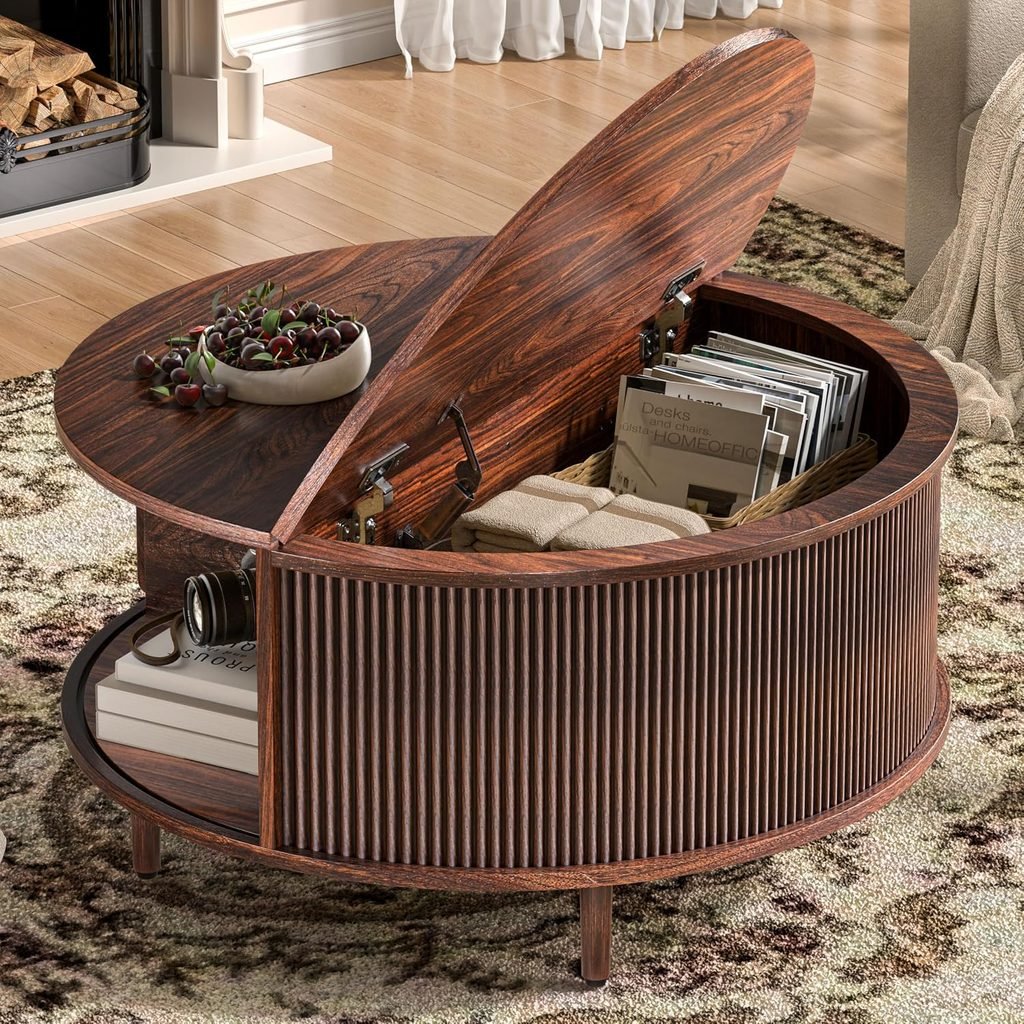
A lift-top coffee table is another piece of furniture that may be beneficial, as it provides an extra work space and/or serves as storage.
It is not necessary that every item in the home be multifunctional, but the furniture that is should address multiple issues and/or purposes.
What to Look For
- Hidden storage
- Adjustable or expandable designs
- Lightweight furniture that’s easy to move
- Pieces that serve multiple purposes
- Furniture proportional to the room
- Designs that don’t visually overwhelm the space
Tip: Before buying a new piece, ask yourself, “Can this replace or perform the job of another piece I already need?”
🛒 Affiliate Product Opportunity: Lift-Top Coffee Table
A lift-top coffee table can provide a comfortable surface for drinks, laptops, or meals while giving you additional hidden storage.
👉 Check the Latest Price on Amazon
2. Use Nesting Tables Instead of One Large Side Table
Small living rooms don’t always have enough space for multiple permanent tables.
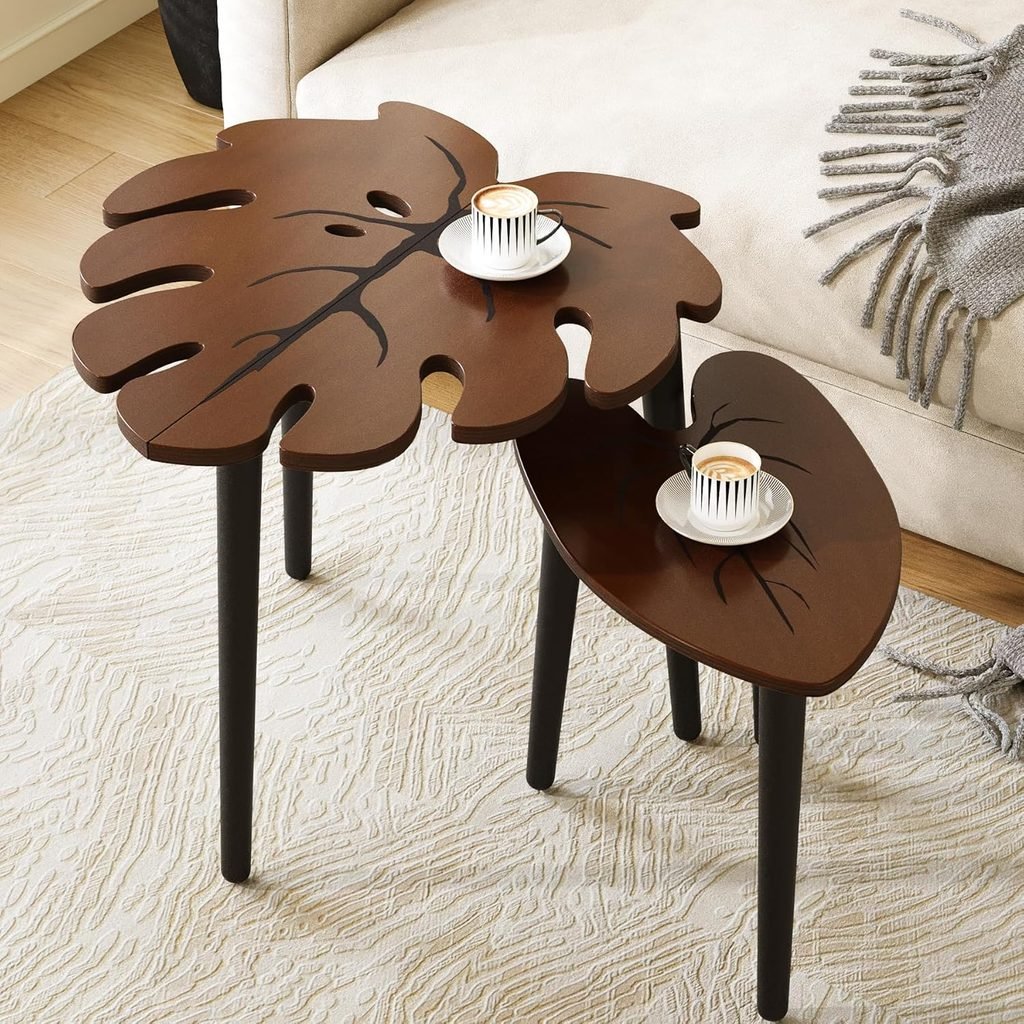
That’s where nesting tables can be useful. Several smaller tables can fit together when you don’t need them and be separated when you need additional surfaces.
This gives you flexibility without requiring the floor space of several full-size tables.
You can keep the tables grouped together most of the time and pull one out beside a chair when guests arrive. They’re also useful when you want to create different levels around a sofa or accent chair.
Look for nesting tables with slim frames and simple designs that don’t make the room feel visually heavy.
Why They Work in Small Spaces
- They provide flexible surface space.
- They can be separated when needed.
- They take up less space when grouped together.
- They can be moved easily.
- Different heights add visual interest.
🛒 Affiliate Product Opportunity: Nesting Tables
Nesting coffee tables or side tables can provide extra surface space without permanently taking up the footprint of several separate tables.
For More Coffee Table Guide: 15 Best Coffee Tables for Living Rooms in 2026 (Stylish Picks for Every Budget)
👉 Check the Latest Price on Amazon
3. Take Advantage of Vertical Space
When you’re short on floor space, look up!
Walls can provide storage and display space for things without taking up as much floor space as a regular end table would.
Using floating shelves, narrow bookcases, and storage on the walls can provide ways to display your books, art, plants, and other things, without taking up much floor space.
However, vertical storage can backfire if you put too many unnecessary things on your shelves.
Leave some space between each item and only put a few items that are useful or that you want to display on your shelves.
Ways to Use Vertical Space
- Install floating shelves.
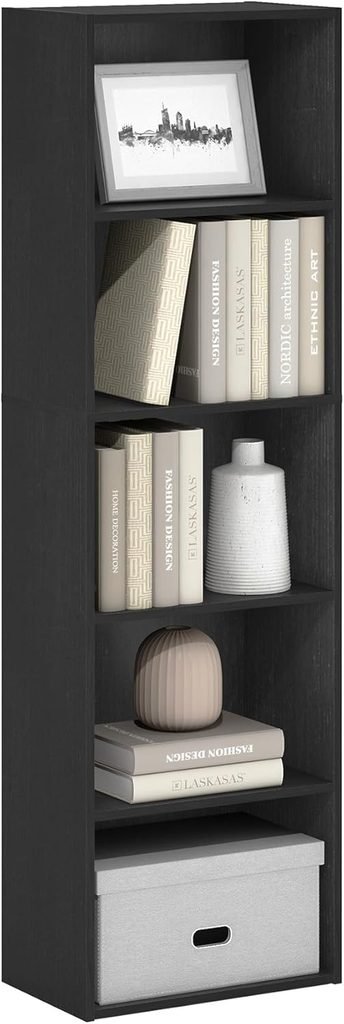
- Use a tall, narrow bookcase.
- Mount storage above a desk or console.
- Display artwork vertically.
- Use wall-mounted organizers.
- Take advantage of unused corners.
Tip: Tall, narrow furniture can often provide significant storage without requiring the floor width of a large horizontal cabinet.
🛒 Affiliate Product Opportunity: Slim Bookcase
A slim vertical bookcase can add storage and display space while using a relatively small amount of floor area.
👉 Check the Latest Price on Amazon
4. Keep More of the Floor Visible
One of the easiest ways to make an average tiny living room appear significantly larger is to ensure the floor is visually open.
Floor furniture tends to be far bulkier to the overall appearance than pieces that utilize legroom, especially when the floor has a certain aesthetic appeal that cannot be ignored under the furniture.
Of course, this does not mean you need to replace everything with heavy bulk pieces that have prominent leg space, but using this method sporadically is recommended.
For example, a leg-having sofa, an open side table, or a rising media stand, can all work together to achieve an open appearance in your living room.
In addition, remember to get rid of any furniture that appears to be useless to you and takes up space on the floor where something else could be placed; if it isn’t useful to you, chances are it’s time to rid of it.
Try These Changes
- Remove unnecessary furniture.
- Choose furniture with raised legs.
- Avoid blocking major walking paths.
- Keep spaces around doors clear.
- Use open-frame tables when appropriate.
- Avoid oversized pieces that dominate the room.
The goal: Create visible pathways and breathing room rather than trying to fill every empty section.
5. Mount the TV to Free Up Floor Space
In many living rooms, the television area takes up more space than necessary. A massive entertainment cabinet can take up a lot of space on the floor in a small apartment or compact living room.
If your wall and TV setup allows for it, you can wall-mount the television and achieve a neater look while also providing some space to store things underneath (the wall-mount itself!).
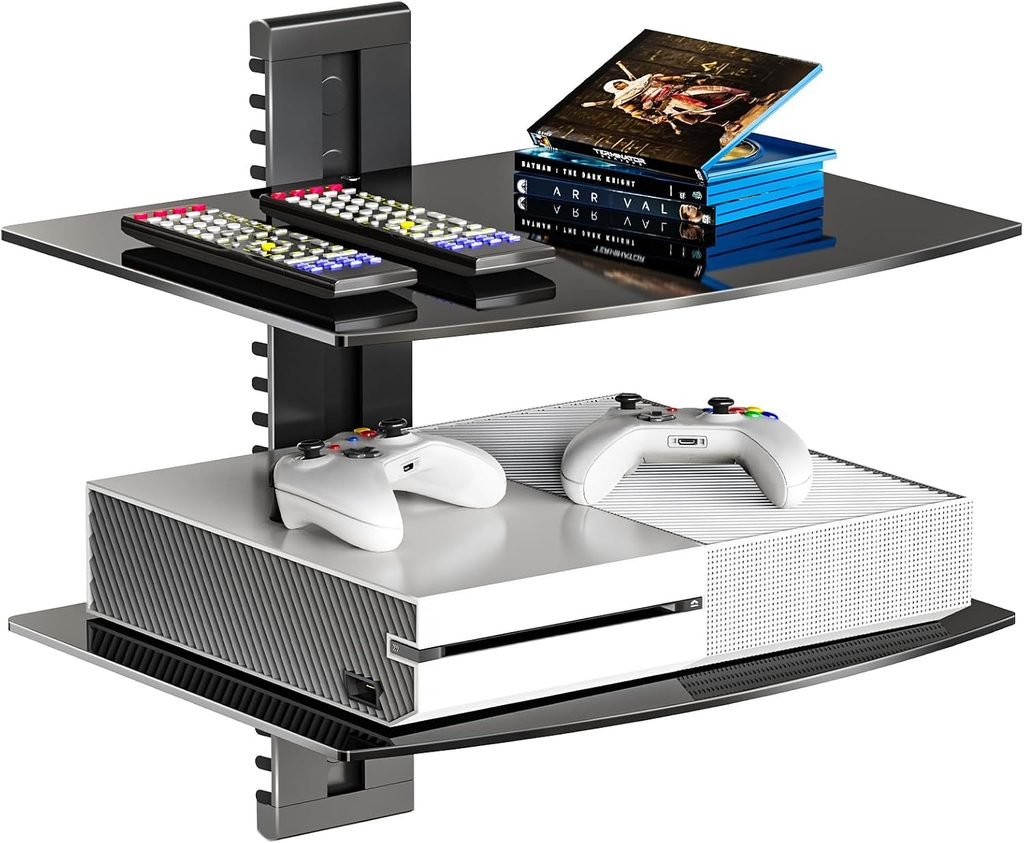
You do not have to leave the wall completely bare. You can install a slim wall-mounted shelf and utilize that for your streaming device, tiny speakers, or some carefully chosen decor.
The most important thing is to leave it tidy. The sight of tangled cables behind the TV can make even the slickest TV wall look messy, so make sure you utilize some cable-management tools when putting it all together.
Ways to Keep the TV Area Compact
- Mount the TV at a comfortable viewing height.
- Hide or organize visible cables.
- Use a slim media shelf instead of a bulky cabinet.
- Avoid filling the wall with unnecessary decorations.
- Keep electronics organized in one defined area.
Tip: Before mounting anything, carefully check the wall construction and make sure the mounting hardware is appropriate for your TV and wall type.
🛒 Affiliate Product Opportunity: Wall-Mounted TV Shelf
A slim wall-mounted TV shelf can provide a small amount of storage for electronics without taking up the floor space required by a traditional entertainment center.
👉 Check the Latest Price on Amazon
6. Use Hidden Storage to Control Clutter
Clutter is one of the quickest ways to make your small living room feel even smaller.
With books, blankets, remotes, toys, electronics and more taking up space in your room it’s easy for your eyes to become overwhelmed and not get a true sense of the size of your room.
The key to making your small room feel larger starts with hidden storage.
Think about how you can make your everyday items disappear by using storage ottomans, cabinets, baskets and more.
The goal is to store frequently used clutter out of sight and in a neat space.
Smart Storage Ideas
- Store blankets inside an ottoman.
- Use cabinets for electronics and accessories.
- Keep small items in decorative boxes.
- Use baskets for larger soft items.
- Keep frequently used objects within easy reach.
- Declutter items you rarely use.
A small living room doesn’t necessarily need more storage furniture. It often needs better-organized storage.
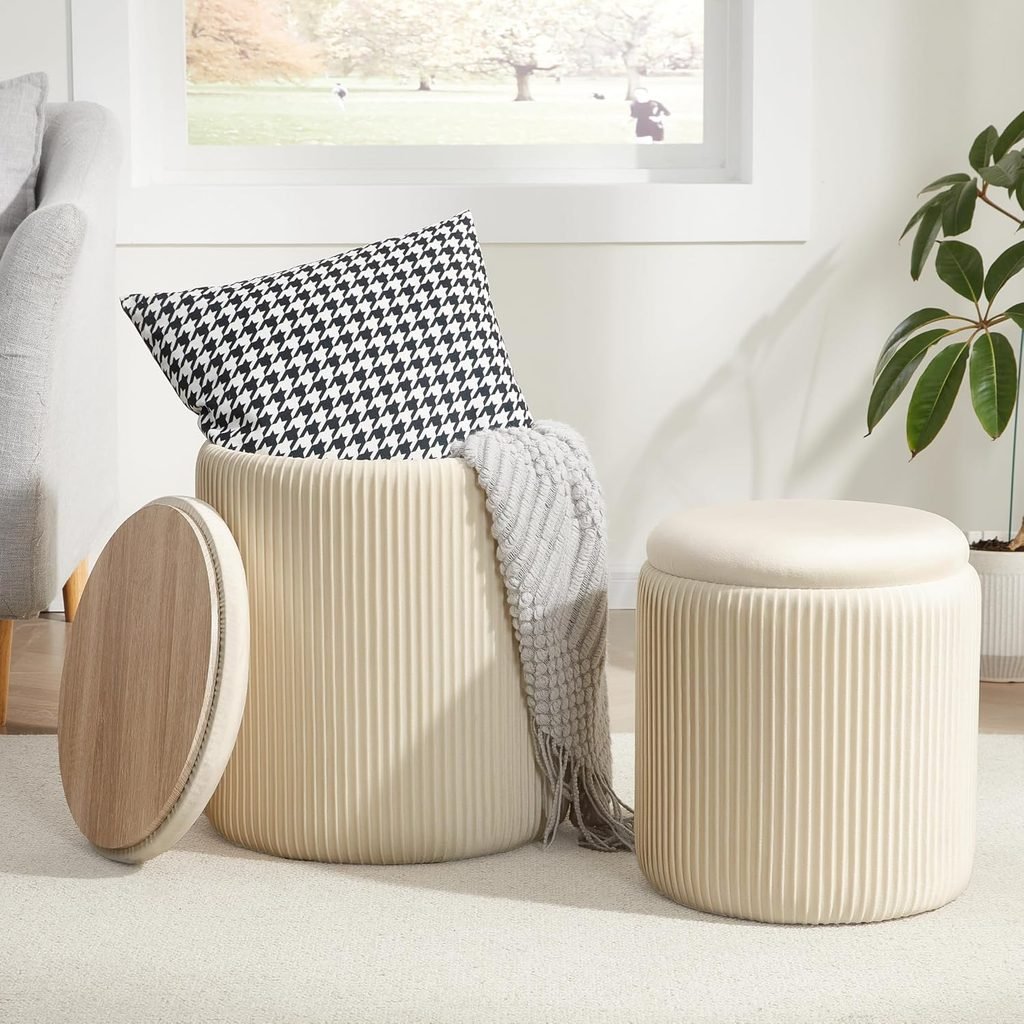
🛒 Affiliate Product Opportunity: Storage Ottoman
A storage ottoman can provide seating or a footrest while hiding blankets, pillows, toys, and other everyday items.
👉 Check the Latest Price on Amazon
7. Choose Furniture With a Smaller Visual Footprint
The actual size of the furniture is important, but its visual size in the room also matters.
Two pieces of furniture can be different in width and height, but their general appearance can make one look much bigger than the other.
A bulky chair with wide armrests and a thick base will look heavier than a slim modern chair with an open base and slim legs.
When choosing furniture for a small living room, go for
thin arms
tall legs
open base
simple shapes
lightweight look
proportional sizes
It doesn’t mean that you have to choose uncomfortable skinny chairs. Of course, you want to provide enough seating for your family and friends.
Instead, focus on finding the right scale.
An armless accent chair, for example, can provide additional seating without creating the same visual bulk as a large upholstered armchair.
A Useful Rule
Don’t choose furniture simply because it is marketed as “small.” Check the actual dimensions and compare them with the available space.
A compact piece that still blocks a doorway isn’t actually a good space-saving solution.
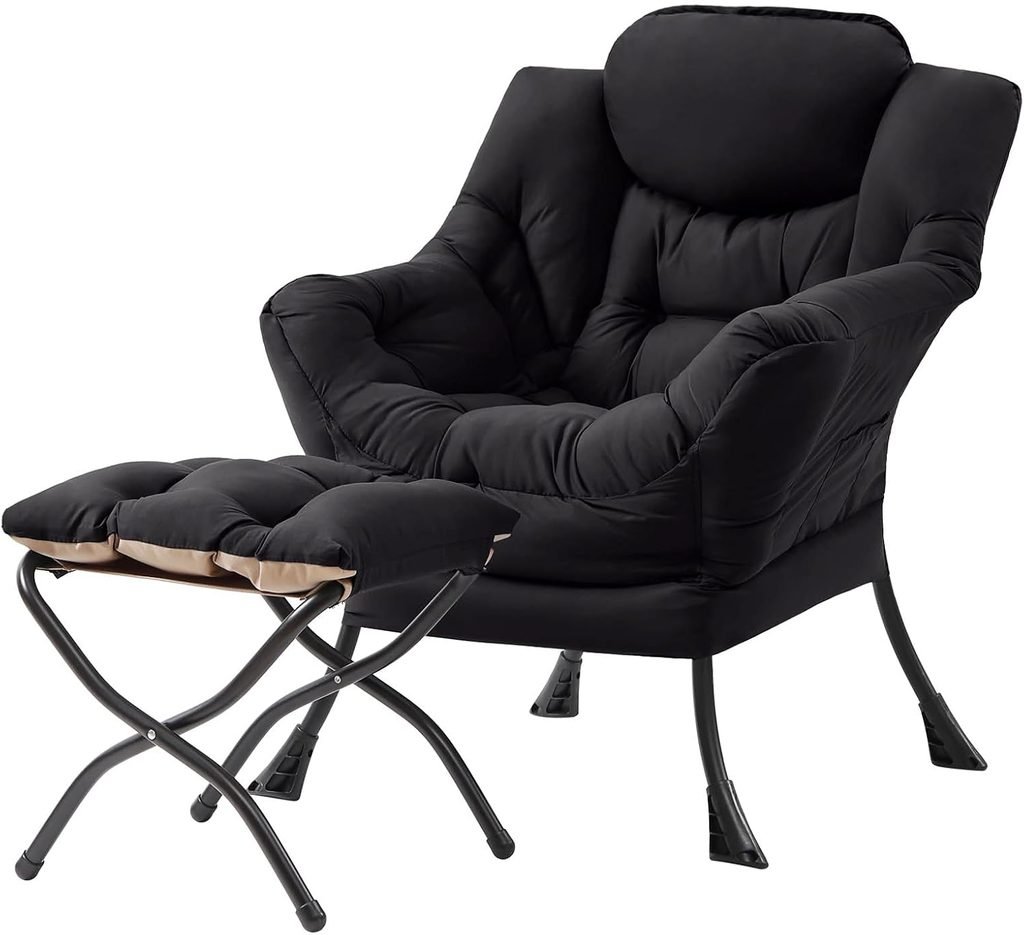
🛒 Affiliate Product Opportunity: Compact Accent Chair
A compact accent chair can provide additional seating while taking up less visual and physical space than a large traditional armchair.
👉 Check the Latest Price on Amazon
8. Add Lighting Without Taking Up Floor Space
Lighting is important in every living room, but traditional floor and table lamps can sometimes consume space that you simply don’t have.
For a small room, consider using wall-mounted lighting where appropriate.
Wall sconces can provide focused or ambient light while keeping the floor and tabletops available for other uses. They’re particularly useful beside seating areas, reading corners, or entertainment areas.
You can also use ceiling lighting as your main source and supplement it with smaller wall-mounted fixtures.
The goal is to distribute light throughout the room instead of relying on one bright ceiling fixture.
A well-lit room can also feel more open because darker corners become less visually dominant.
Space-Saving Lighting Ideas
- Use wall sconces beside seating.
- Consider ceiling lights for general illumination.
- Add adjustable wall lights to reading areas.
- Use warm-toned lighting where appropriate for a cozy atmosphere.
- Avoid placing too many lamps in already-crowded areas.
Tip: Always check installation requirements before purchasing hardwired wall lighting. Plug-in sconces can be a simpler alternative if you don’t want electrical work.
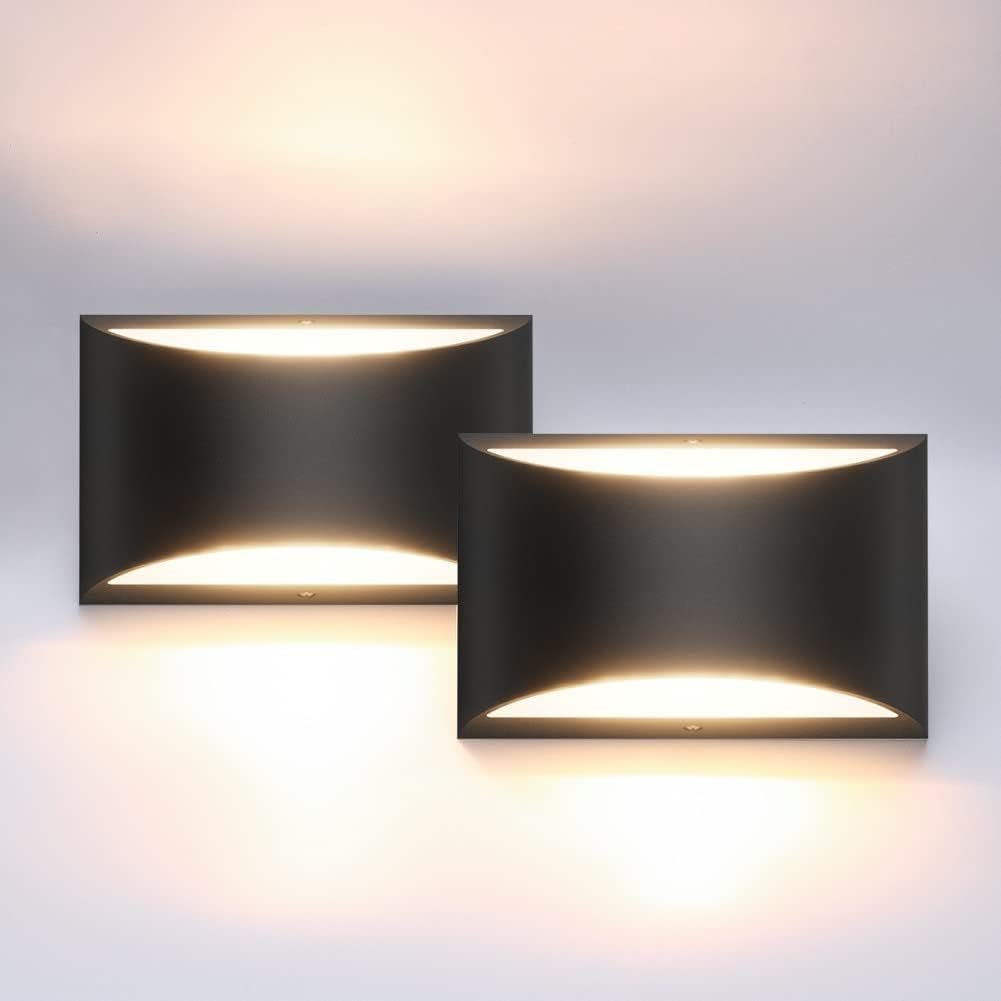
🛒 Affiliate Product Opportunity: Wall-Mounted Light
A wall-mounted light can add another layer of illumination without taking up valuable floor or table space.
👉 Check the Latest Price on Amazon
9. Create Separate Zones Without Closing Off the Room
A small living room may need to perform several jobs.
Perhaps part of the room is used for watching TV while another area is used for reading, working, or dining. Creating separate zones can make the room feel more organized without making it feel smaller.
The trick is to define the areas visually rather than physically.
You can use furniture placement, lighting, shelving, or a small decorative divider to suggest where one activity ends and another begins.
For example, a compact reading chair positioned beside a small side table can create a dedicated reading corner without requiring an entire separate room.
In an open-plan apartment, an open room divider can also help distinguish the living room from another area while still allowing light to pass through.
Ways to Define Zones
- Position furniture strategically.
- Use different lighting for different activities.
- Create a small reading corner.
- Use open shelving as a subtle divider.
- Keep walkways clear between zones.
- Avoid solid barriers that make the room feel enclosed.
The goal: Make the room feel organized and purposeful without sacrificing its openness.
10. Keep the Room Visually Simple
Perhaps the most important of all these small living room ideas is learning when to stop decorating.
A small room doesn’t need to be completely empty, but it does benefit from visual breathing room.
If every wall is covered, every surface has accessories, and every corner contains furniture, the room can quickly feel overwhelming.
Instead, choose a few pieces that you genuinely like and give them enough space to stand out.
Use a consistent color palette and repeat a few materials or finishes throughout the room. This creates visual continuity and prevents the space from feeling fragmented.
You can also rotate decorative items rather than displaying everything you own at once.
Simple Ways to Reduce Visual Clutter
- Keep tabletops relatively clear.
- Avoid excessive wall decorations.
- Choose a limited color palette.
- Store everyday items when they’re not being used.
- Leave some wall and floor space open.
- Remove furniture that doesn’t serve a purpose.
Remember, empty space is part of the design. You don’t need to decorate every available inch.
Small Living Room Layout Mistakes to Avoid
Even the best products won’t help if the layout isn’t working.
Here are some common mistakes to watch for:
1. Choosing Furniture Before Measuring
Always measure first. A beautiful piece that doesn’t fit won’t improve the room.
2. Blocking Walking Paths
Leave clear routes between doors, seating areas, and other important parts of the room.
3. Using Too Many Large Pieces
One oversized sofa combined with several bulky chairs can quickly overwhelm a compact room.
4. Ignoring Vertical Space
If floor space is limited, walls can provide valuable storage and display opportunities.
5. Overdecorating
Too many accessories can make a small room feel chaotic.
6. Relying on One Light Source
A single ceiling fixture can leave corners dark and make the room feel less inviting.
7. Buying Furniture That Only Has One Purpose
When space is limited, multifunctional pieces can provide much better value.
How to Make a Small Living Room Feel Bigger on a Budget
You don’t need to replace all your furniture to make a small living room feel more spacious.
Start with decluttering. Remove anything that isn’t useful or meaningful.
Next, rearrange your existing furniture to create clearer walking paths. You may be surprised by how much larger the room feels simply because the layout has improved.
Then focus on the areas that have the biggest impact. Adding vertical storage, improving lighting, organizing the TV area, or replacing one bulky piece with a more compact alternative can make a noticeable difference.
Finally, be selective about new purchases. Instead of buying several inexpensive decorations, invest in one or two pieces that solve a real problem.
Small Living Room Shopping Checklist
Before purchasing anything, ask yourself:
☐ Have I measured the available space?
☐ Does this item serve a useful purpose?
☐ Can it perform more than one function?
☐ Will it block a walkway?
☐ Does its visual size suit the room?
☐ Do I already own something that performs the same job?
☐ Does it work with my existing furniture?
☐ Will it add useful storage or functionality?
☐ Can I keep the room visually uncluttered?
If you can answer these questions confidently, you’re much more likely to make purchases that genuinely improve your space.
Final Thoughts
A small living room doesn’t have to feel cramped or uncomfortable. The key is to make thoughtful decisions about space, furniture, storage, lighting, and visual clutter.
Start by measuring the room and understanding how you use it. Then choose furniture that fits the available space instead of trying to squeeze oversized pieces into a compact layout.
Multifunctional furniture can make a particularly big difference. A storage ottoman can provide seating and hidden storage, nesting tables can give you flexible surfaces, and wall-mounted solutions can help keep valuable floor space open.
Don’t forget about the walls. Shelves, mounted lighting, and other vertical solutions can give you useful functionality without taking up the same footprint as traditional furniture.
Most importantly, don’t feel pressured to fill every empty corner. Open space is valuable in a small room. A carefully edited living room with a few useful and attractive pieces will usually feel larger and more comfortable than one packed with furniture and accessories.
With the right approach, even a compact living room can become a space that feels open, organized, stylish, and comfortable—without requiring a major renovation or an enormous budget. 🏠✨