
Introduction
For decorating a living room, a proper strategy and knowledge of interior design mode are essential, especially when there is no furnished room available and it is required to choose all the attribute items for furnishing. It can be challenging because there are many details to consider, such as furniture, lights, decoration, storage, colors, and other elements.
In this regard, the professional skills of an interior designer can be helpful to achieve the desired result and avoid buying extra or unnecessary items that will remain unexploited. From my perspective, interior design should be done step by step and in accordance with specific rules.
First, it is critical to define the purpose of the room and the owner’s tastes and habits. For example, if the room is intended for viewing television, its design and furniture placement should be selected accordingly, providing optimal comfort and convenience. Second, furnishing should also be based on the room’s functionality and aesthetic appeal.
The furniture items in the living room are the basis of decoration, and their placement should be efficient to provide access to all the desired objects. In addition, the items should be complementary to each other and the overall layout and provide ample storage space so that the room is not cluttered but still organized. Decor items also play a vital role; therefore, one should avoid choosing excessive ornaments that will not be used or make the room look chaotic.
In this living room decorating guide, we’ll walk through 15 practical steps for creating a stylish and functional room. Along the way, we’ll also look at useful products that can help solve common decorating problems—from entertainment storage and wall shelving to accent furniture, lighting, and decorative details.
Whether you’re decorating a small apartment living room or a larger family space, these ideas can help you create a room that feels intentional, comfortable, and uniquely yours.
1. Start by Measuring Your Living Room
Before buying any furniture or decor pieces it is essential to take one crucial step – measure the room.
When purchasing a new piece of furniture it is appealing to buy the item that looks the nicest. But furniture that looks spectacular in an image could be completely wrong for your room if it is too big or small or just difficult to place.
The length and width of the room should be measured along with the placement of any doors, windows, radiators, electrical outlets, or other furniture that will not be moved. The height of the walls should also be taken into account if there are any plans to hang any heavy furniture or shelves.
It is also recommended to measure any large furniture pieces that will be placed in the room so that the entire layout can be sketched out ahead of time.
When working with a small space it is even more important to take accurate measurements since only a small variation could mean that another piece cannot be placed.
What to Measure
- Overall room length and width
- Door and window locations
- Ceiling height
- Available wall space
- Existing furniture dimensions
- Walking paths
- Electrical outlet locations
- Space needed around doors and drawers
Tip: Use painter’s tape on the floor to mark the approximate footprint of new furniture before buying it. This gives you a much better idea of how much space it will actually occupy.
2. Decide How You Want to Use the Space
Once you know the room’s dimensions, think about its main purpose.
A living room designed primarily for movie nights will have different priorities from one designed for entertaining guests. Likewise, a family room may need more storage and flexible seating than a formal sitting room.
Start by identifying your room’s main activities. You might want space for:
- Watching television
- Relaxing
- Reading
- Entertaining guests
- Playing games
- Working occasionally
- Storing everyday items
Once you’ve identified these activities, you can prioritize furniture accordingly.
For example, if entertaining is important, you may want multiple seating options. If your living room doubles as a family room, a storage cabinet can help keep toys, electronics, and other items organized.
This approach prevents you from filling the room with furniture simply because you have empty floor space.
The Goal
Create a living room that supports the way you actually live.
A stylish room that looks beautiful but is uncomfortable or impractical won’t feel successful for long.
3. Choose a Focal Point
Every living room benefits from having something that naturally attracts attention.
This is known as a focal point, and it gives the rest of the room a visual direction.
Your focal point could be a fireplace, a large window, a television, an interesting architectural feature, or even a piece of statement furniture.
If your room doesn’t have an obvious architectural focal point, you can create one yourself.
For example, an entertainment wall with a well-designed media console can become the main feature of a modern living room. A sculptural piece of furniture or a distinctive lighting fixture can also create visual interest.
The important thing is not to have too many competing focal points. If every wall and furniture piece demands attention, the room can feel visually chaotic.
How to Create a Focal Point
- Identify the room’s strongest existing feature.
- Arrange furniture toward the focal point.
- Keep surrounding decor relatively simple.
- Use lighting to highlight important features.
- Avoid having several competing statement pieces.
Tip: Your focal point should feel natural rather than forced. Work with the architecture and layout of the room whenever possible.
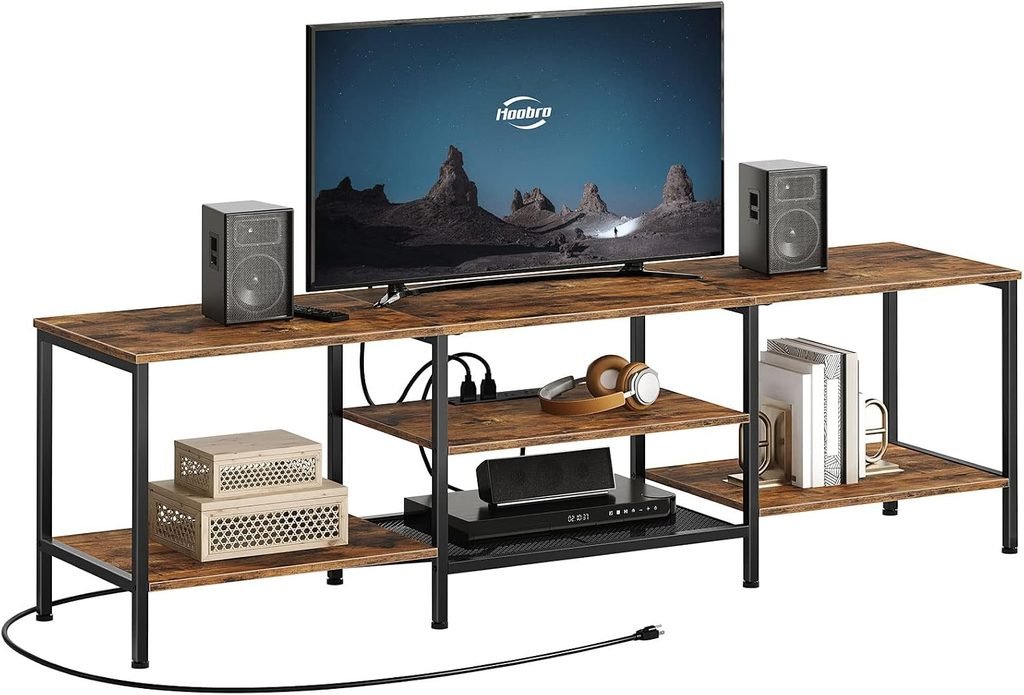
🛒 Affiliate Product Opportunity: Modern TV Stand / Media Console
If your television is the main feature of the living room, a modern media console can help turn the entertainment area into a deliberate design feature while providing useful storage.
Instead of allowing electronics, cables, and accessories to dominate the wall, a properly sized media console can give everything a defined place.
👉 Check the Latest Price on Amazon
4. Arrange Furniture for Conversation and Flow
Furniture placement can completely change how a living room feels.
A common mistake is pushing every piece against the wall simply because it seems like the best way to create more floor space. In reality, this can make furniture feel disconnected and leave the center of the room strangely empty.
Instead, arrange your main seating around a central point. Depending on your room, that could be a coffee table, fireplace, television, or conversation area.
Make sure people can move comfortably around the furniture. You don’t want a sofa, chair, or table blocking the natural path through the room.
For larger rooms, you can even create multiple zones. One area might be dedicated to television viewing, while another corner could become a reading or conversation area.
Furniture Arrangement Tips
- Keep major seating pieces visually connected.
- Leave comfortable walking paths.
- Avoid blocking doors and windows.
- Consider the location of your focal point.
- Use furniture to create separate zones in large rooms.
- Don’t automatically push everything against the walls.
Tip: Before moving heavy furniture repeatedly, sketch a few possible layouts on paper or use a simple room-planning app.
5. Add Flexible Seating With an Accent Ottoman
Not every seating option needs to be a traditional chair.
An accent ottoman or pouf can provide extra seating while also serving as a footrest or even a temporary surface for a tray.
This makes ottomans particularly useful in smaller living rooms where you want furniture to perform multiple functions.
Choose an ottoman that complements your sofa without needing to match it perfectly. A contrasting texture or shape can actually make the room more interesting.
For example, a neutral sofa paired with a textured ottoman can introduce another layer of visual interest without adding another large piece of furniture.
What to Look For
- Compact dimensions
- Durable upholstery
- Comfortable height
- A style that complements your sofa
- Lightweight construction if you want flexibility
- Storage capability if available
Tip: In a small living room, multifunctional furniture can be much more valuable than pieces that serve only one purpose.
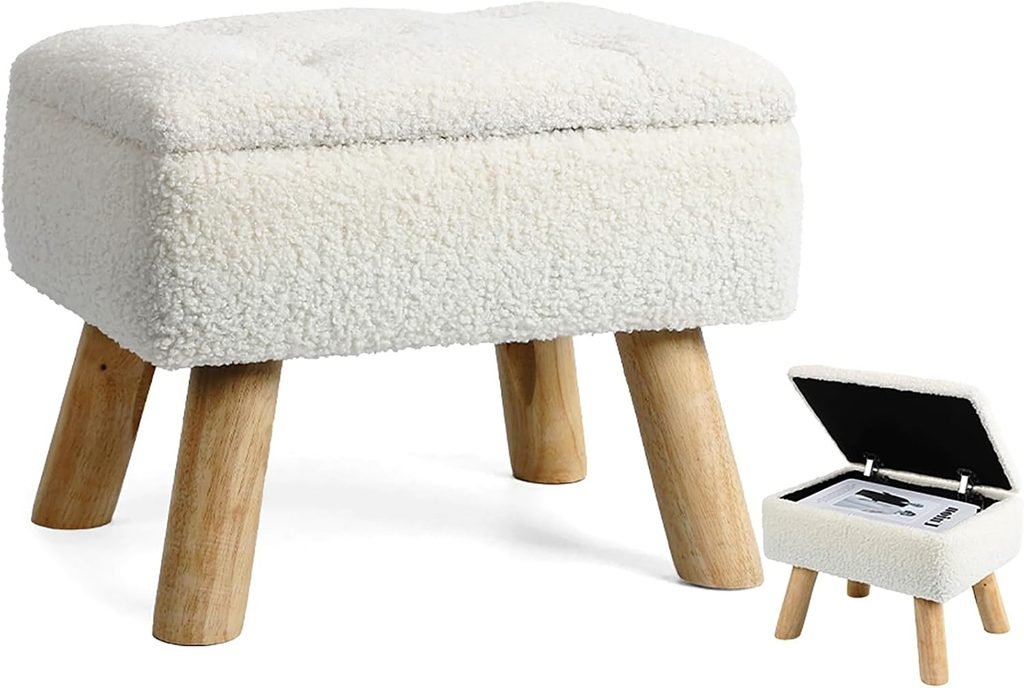
🛒 Affiliate Product Opportunity: Accent Ottoman
A stylish accent ottoman can provide extra seating and flexible functionality while taking up less visual space than another full-size chair.
👉 Check the Latest Price on Amazon
6. Use Wall-Mounted Shelves to Add Storage and Style
When you’re decorating a living room, don’t forget about the walls. Wall-mounted shelves can turn unused vertical space into a useful area for displaying books, artwork, plants, and small decorative objects.
They’re especially helpful in smaller living rooms where floor space is limited. Instead of adding another bulky cabinet or bookcase, a few floating shelves can provide storage while keeping the floor relatively open.
The key is to avoid filling every inch of the shelves. A combination of books, decorative objects, framed artwork, and greenery usually looks more interesting than a shelf packed with identical items.
You can also use shelves to introduce different heights and textures into the room. Try placing taller objects toward the back or at one end, then balancing them with smaller pieces.
What to Look For
- Choose shelves that can support the items you plan to display.
- Match the finish with your existing furniture.
- Consider floating shelves for a clean appearance.
- Leave some empty space between objects.
- Mix decorative and functional items.
- Make sure the shelves are securely mounted.
Best use: Small living rooms, apartments, reading areas, and entertainment walls.
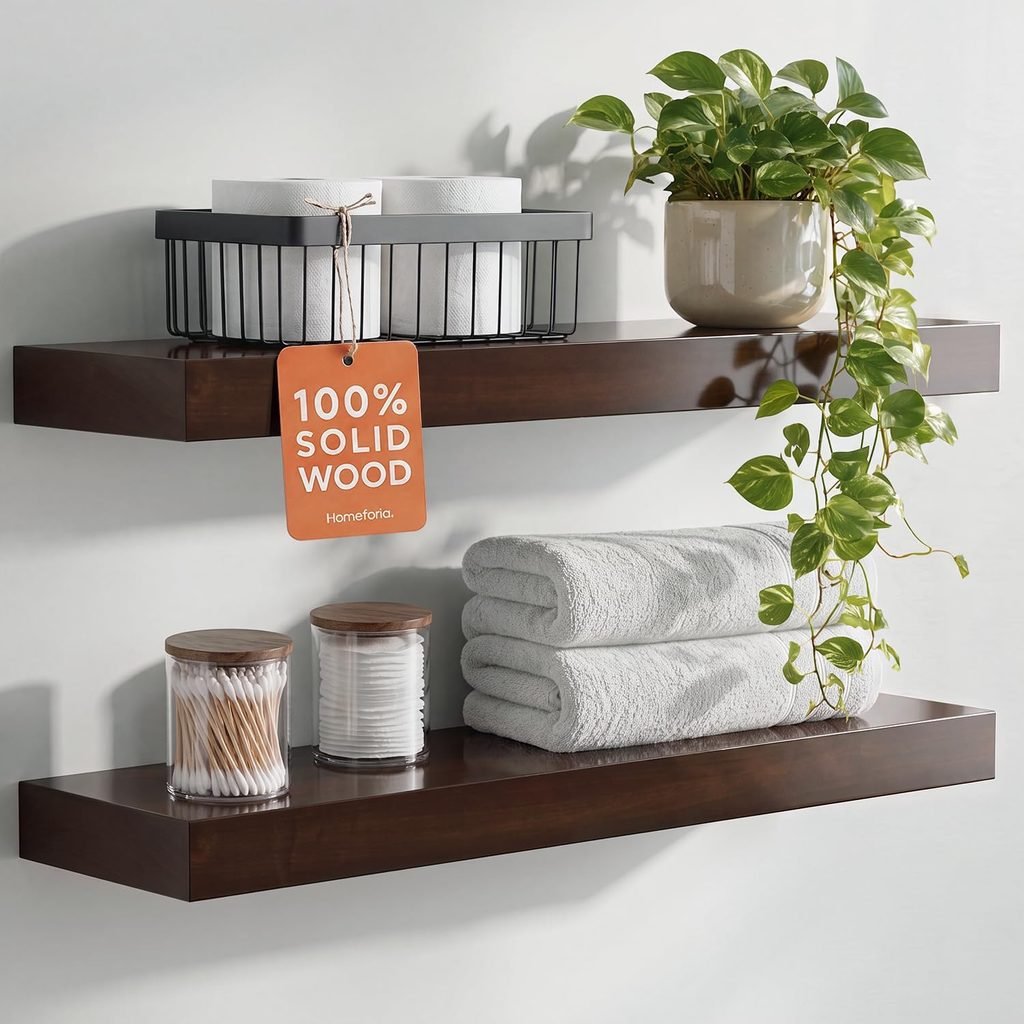
🛒 Affiliate Product Opportunity: Wall-Mounted Shelves
Floating wall shelves can add useful display space without taking up valuable floor area.
👉 Check the Latest Price on Amazon
7. Add a Decorative Wall Clock
A wall clock can be both functional and decorative, making it an easy way to add personality to a living room wall.
Instead of thinking of a clock as something that belongs only in a kitchen or office, consider it another piece of wall decor. A large minimalist clock can fill an empty wall while adding a subtle focal point.
The style you choose should work with the rest of your room. A wooden clock can complement warm, natural interiors, while a simple black or metal design can work well in modern spaces.
Scale is important here too. A very small clock may disappear on a large wall, while an oversized design can overwhelm a small room.
What to Look For
- Choose a size appropriate for the wall.
- Consider minimalist designs for modern interiors.
- Look for materials that complement your furniture.
- Choose an easy-to-read face if functionality matters.
- Use the clock as part of a larger wall arrangement when appropriate.
Best use: Large empty walls, above consoles, dining/living transitions, and family rooms.
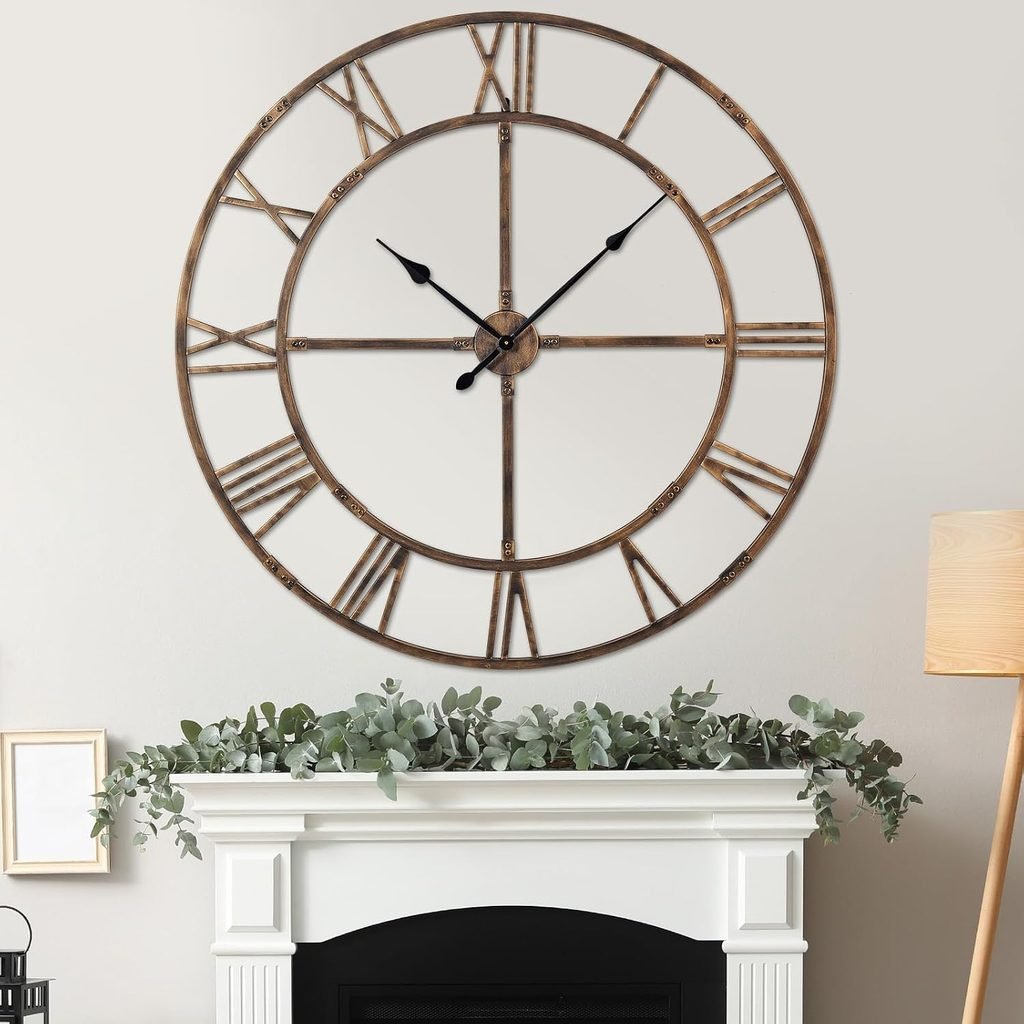
🛒 Affiliate Product Opportunity: Decorative Wall Clock
A large decorative wall clock can fill an otherwise empty wall while adding a useful element to your living room.
👉 Check the Latest Price on Amazon
8. Use Coffee Table Books to Add Personality
Coffee table books are a simple way to make a living room feel more personal and collected.
You don’t need a huge stack of books. A few attractive books placed thoughtfully on a coffee table, shelf, or console can introduce color, texture, and personality without taking up much space.
Choose books that reflect your interests. Interior design, architecture, travel, photography, food, art, and other visually appealing subjects can all work well.
You can also use books to create different heights when styling accessories. Place two or three books underneath a small decorative object to give it more visual presence.
The trick is to keep the arrangement simple. A few carefully selected books will generally look more intentional than a huge stack covering the entire table.
How to Style Them
- Stack two or three books horizontally.
- Place a small decorative object on top.
- Combine books with different sizes.
- Choose covers that complement your color palette.
- Leave some of the table surface open.
- Rotate books occasionally to refresh the arrangement.
Best use: Coffee tables, shelves, consoles, and built-in bookcases.
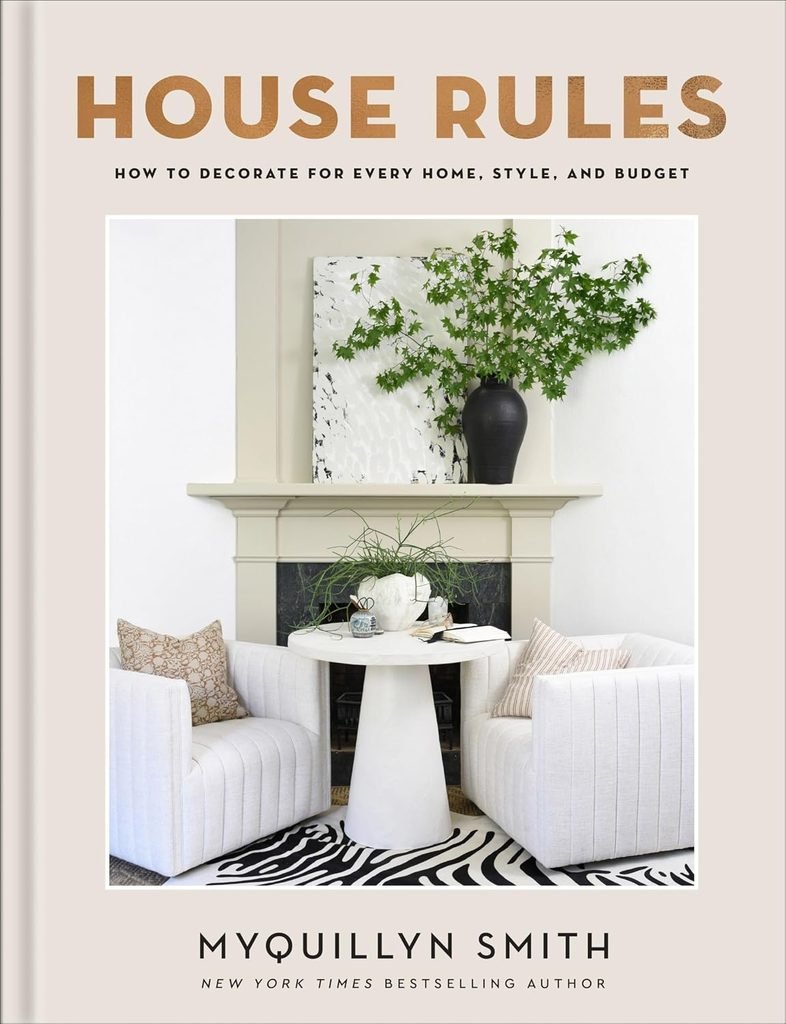
🛒 Affiliate Product Opportunity: Coffee Table Books
A beautiful coffee table book can act as both reading material and decorative styling.
👉 Check the Latest Price on Amazon
9. Define Open Areas With a Room Divider
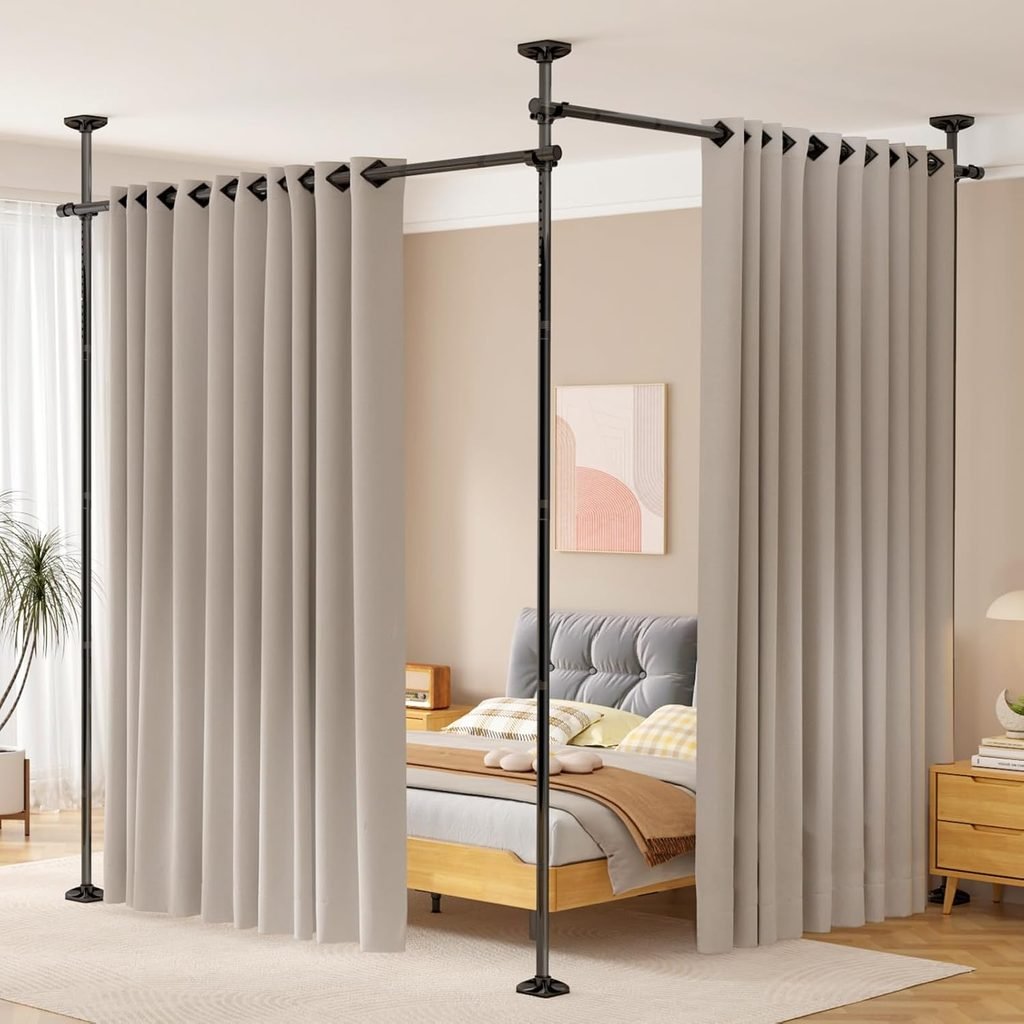
Open-plan living rooms can feel spacious, but they can also lack clear definition. A room divider can help separate areas without the need for permanent walls.
This can be especially useful in apartments, studio homes, and large open spaces where the living room shares an area with a dining room, home office, or bedroom.
A divider doesn’t have to completely block the space. Open shelving, slatted screens, folding panels, and decorative partitions can create separation while allowing light and visual connection to continue through the room.
Before choosing one, consider how much privacy you actually need. If you’re simply trying to define a zone, a lightweight decorative divider may be enough.
What to Look For
- Choose a design that complements the room.
- Consider folding options if flexibility is important.
- Use open designs when you want to maintain light.
- Make sure the divider is stable.
- Consider the available floor space.
- Avoid making a small room feel enclosed.
Best use: Studio apartments, open-plan homes, shared living spaces, and multipurpose rooms.
🛒 Affiliate Product Opportunity: Decorative Room Divider
A stylish room divider can help define separate zones while adding another decorative element to an open living space.
👉 Check the Latest Price on Amazon
10. Make Lighting a Statement
Lighting shouldn’t only be functional. In the right room, the light fixture itself can become part of the decor.
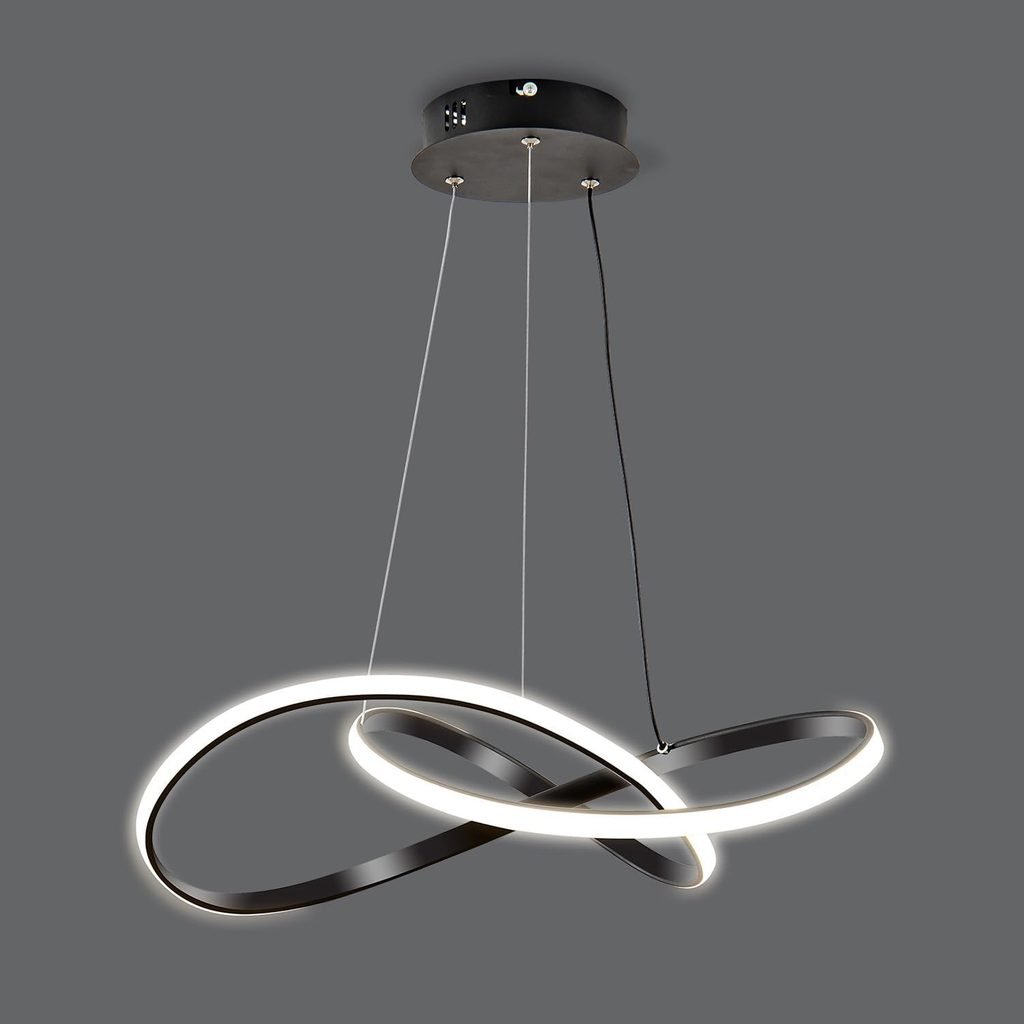
If your living room has a standard ceiling fixture, replacing it with a more distinctive pendant or ceiling light can create an immediate visual change.
Choose a fixture that works with the scale of the room. A large statement fixture may work beautifully in a spacious living room with a high ceiling, while a simpler design may be better for a smaller apartment.
Don’t forget about the other lighting already in the room. A statement ceiling light should complement—not compete with—floor lamps, table lamps, and other light sources.
The fixture’s material can also introduce another design element. Metal, glass, wood, and woven materials each create a different atmosphere.
What to Look For
- Choose a fixture appropriate for the ceiling height.
- Consider the size of the room.
- Match the finish with other elements where appropriate.
- Choose a design that complements your decorating style.
- Consider dimmable lighting when available.
- Make sure installation requirements suit your space.
Best use: Living rooms, open-plan spaces, dining areas connected to living rooms, and rooms with high ceilings.
🛒 Affiliate Product Opportunity: Statement Ceiling Light
A modern ceiling or pendant light can function as both illumination and a statement design feature.
👉 Check the Latest Price on Amazon
How to Combine These Elements Without Overcrowding the Room
Adding new pieces doesn’t automatically make a living room better. The goal is to create a space where each element has enough room to be appreciated.
Start with the larger functional pieces first, such as your furniture and entertainment unit. Then add shelves, lighting, and other major elements. Smaller decorative pieces should come last.
A useful rule is to step back frequently while decorating. Look at the room from different angles and remove anything that feels unnecessary.
You should also repeat certain materials, colors, or shapes throughout the room. For example, if you have black metal shelving, you might repeat that finish in a light fixture or small accessory.
This creates a visual connection without requiring everything to match.
Final Thoughts
Decorating a living room doesn’t have to happen all at once. The best spaces usually come together gradually as you figure out what works for your lifestyle, your room’s layout, and your personal style.
Start with the basics: measure your space, decide how you want to use it, establish a focal point, and arrange your furniture around comfortable movement and conversation. Once the foundation is right, you can begin adding pieces that improve both the appearance and functionality of the room.
Wall-mounted shelves can make use of vertical space, an accent ottoman can provide flexible seating, and a decorative wall clock can add personality to an empty wall. Functional pieces such as a media console or storage furniture can also help keep everyday clutter under control.
The most important thing is not to buy everything at once. Choose pieces that solve a specific problem or add something meaningful to your room. A few carefully selected products will usually have a greater impact than filling the space with decorations that don’t work together.
Whether you’re decorating a spacious family room or a small apartment, focus on comfort, proportion, function, and personality. Your living room doesn’t need to look like a showroom. It should feel like a space where you actually want to spend time.
With a little planning and a thoughtful approach, you can create a living room that is stylish, practical, and uniquely yours. 🏠✨
Related Posts
If you’re planning to continue decorating your home, these DecorHome63 guides can help you with the next steps:
🔗 How to Choose a Home Decor Style
Learn how to choose a decorating style that fits your personality and create a more cohesive home.
🔗 Scale and Proportion in Interior Design
A useful guide for choosing furniture, artwork, rugs, and other pieces that properly fit your space.
Pingback: 12 Living Room Furniture Ideas That Make Your Space More Functional