
Introduction
A home does not have to consist of the latest trends to look charming and comfortable. On the contrary, the best combinations are those that reflect your personality and strike a balance between the well-loved pieces from your past and the new items from your present. home decor mistakes
Yet, sometimes it may become hard to admit that something is out-of-place. It could be your drapes that somehow never quite matched your windows, an inadequate rug, uncomfortable lighting, or even too much clutter.
Most importantly, do not worry that you will have to re-decorate the entire house. Just a few strategic changes to lighting and furniture, color schemes and scale, texture and accessories, can greatly improve the overall impression. In addition, replacing some old and tired items can make your home feel refreshed and updated in no time.
So, what makes a house look outdated? We have prepared a list of the most common mistakes that you may wish to avoid when redecorating.
In our article, you will find tips on how to make your house look more comfortable and updated in no time. We have identified several recurring issues that tend to make a home look outdated and lost appeal. We have also suggested several ways to revise them in order to improve the overall look and feel. Therefore, it may become much easier to address any interior you wish to refresh, from the living room and bedroom to the entryway or an apartment.
1. Using Curtains That Are Too Short
Curtains may seem to be only an accessory; however, in reality, they can truly make or break any space. One of the most common interior design mistakes is using too short or incorrectly hung curtains.
Curtains that finish too high near the floor can make the walls seem lower than they are and create the cheap look in the room. At the same time, the rods placed directly on the window frames will ensure that your windows will always be smaller than they need to be.
It is advisable never to hang the rods higher than necessary and always slightly wider than the window if the building structure allows. It may be a good idea to choose longer curtains in case of higher ceilings so that they can touch the floor. This will provide a nice contrast vertically and allow the room to look taller.
The fabric and colors of the curtains are also important for this purpose. Neutral tones will help you achieve the balanced look, while the interesting texture can add coziness to any space without making the room too busy. It is also worth mentioning that for bedrooms, living rooms, and other spaces where it is required, you may want to choose some nice yet utilitarian hardware in order to create the illusion of privacy and control the amount of natural light in the room.
What to Do Instead
- Choose curtain panels that reach close to the floor.
- Consider mounting the rod higher than the top of the window.
- Extend the rod beyond the window frame when appropriate.
- Choose a fabric that complements your room’s overall style.
- Use neutral or subtle patterns when you want a timeless appearance.
- Consider blackout or light-filtering options where functionality matters.
Best approach: Think of curtains as part of the room’s architecture rather than simply a covering for the window.
🛒 Product Recommendation
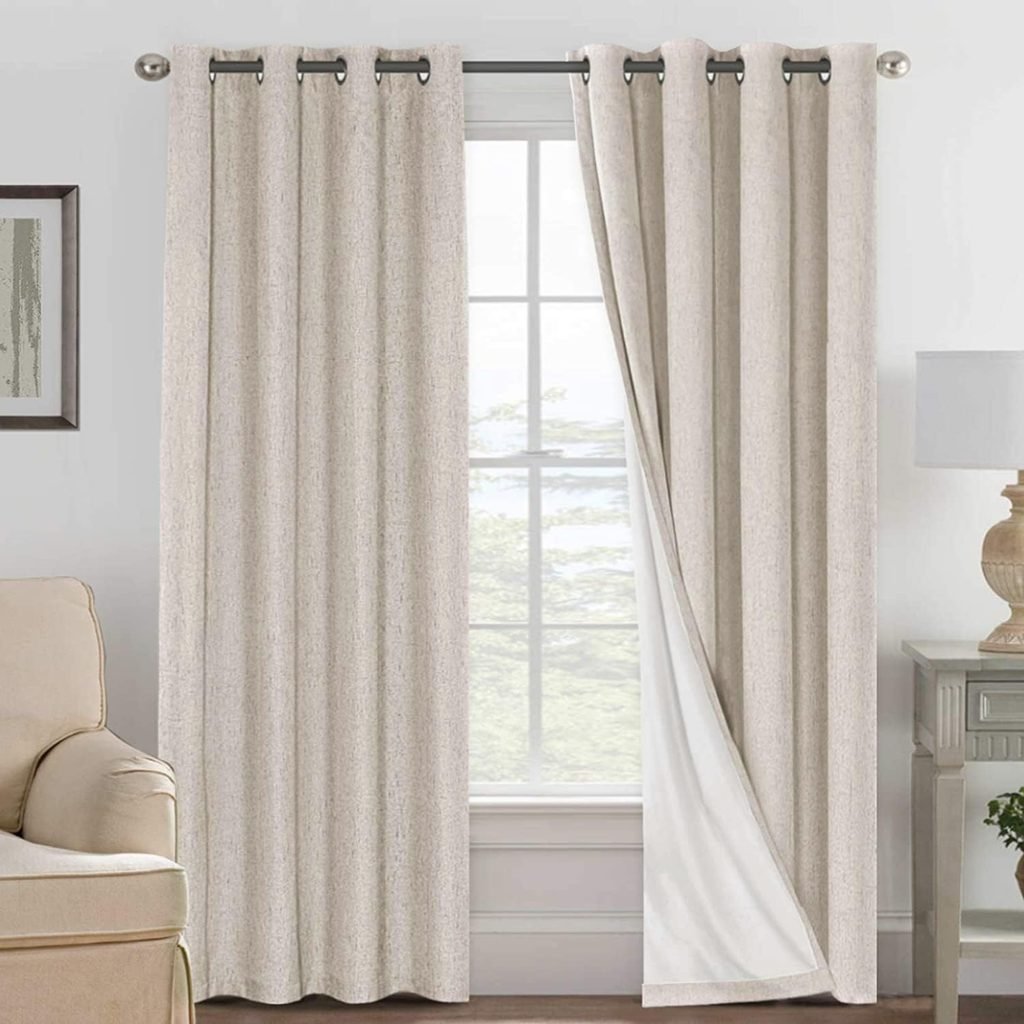
A full-length modern curtain can be an easy way to correct this decorating mistake while adding softness and texture to the room.
👉 Check the Latest Price on Amazon
2. Relying on One Harsh Ceiling Light
Another common misconception is that one ceiling light is enough.
Though a single eye-catching bulb might brighten up the whole place, it is not always the best option.
Having only one light source can leave dark areas in the room and will certainly fail to provide adequate lighting.
Instead, create depth by adding more lights in different areas in order to accomplish the perfect amount of brightness.
For instance, in addition to a ceiling light, place a floor lamp or two near an accent chair in your living room and set a small table lamp on the console table.
That way, when it gets dark outside during the evening, you can create a perfect cozy atmosphere with the lamps while the ceiling light can stay off.
On the other hand, during the day, you will want more overhead lighting to brighten up the house and allow you to see every little detail.
Moreover, having fewer lights on can help set the mood in the room.
While a well-lit room is great for cleaning, a dim atmosphere is ideal for nights when you cannot sleep and need some comfort.
What to Do Instead
- Combine overhead lighting with floor and table lamps.
- Add lighting to darker corners.
- Use warm-toned bulbs where appropriate for a cozy atmosphere.
- Place a floor lamp beside a reading chair or sofa.
- Use accent lighting to highlight artwork or decorative features.
- Avoid making every light equally bright.
Best approach: Use multiple layers of light so the room feels balanced rather than relying on one strong source.
🛒 Product Recommendation
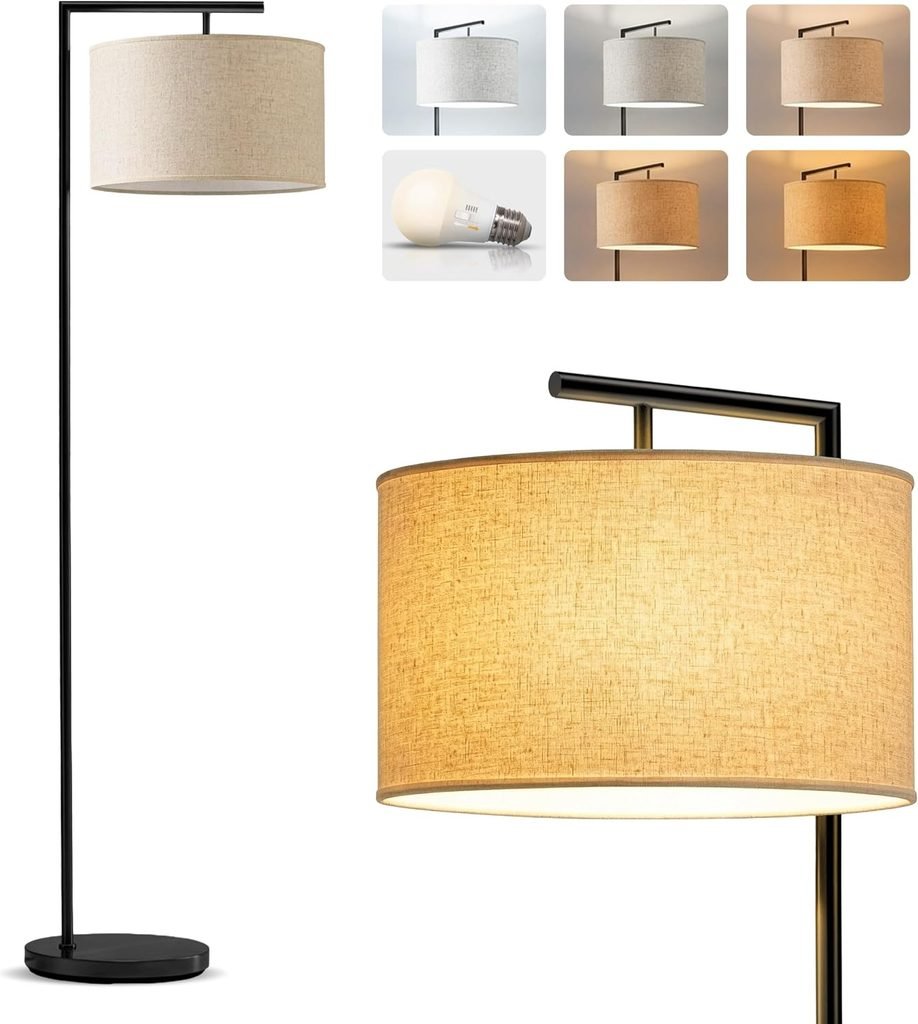
A modern floor lamp is an easy way to introduce another layer of lighting without changing the ceiling fixture.
👉 Check the Latest Price on Amazon
3. Choosing a Rug That’s Too Small
An undersized rug is another decorating disaster that makes otherwise nice rooms look unfinished.
Your rug should be sized to a point where it ties the room together, not to make it look like there’s an island in the middle of the room.
If you have a small rug, your furniture will appear to be placed around the room, not together with the coffee table and sofas as a unit.
In the living room, a good-sized rug that allows for at least the front legs of your seating pieces to be on it will allow you to see where your conversation area is.
If you have a larger room, put the whole seating unit on the rug; it will make the room feel more pulled together.
It always helps to measure the room and get an idea of what you need when you’re shopping.
You also may want to have the rug in a neutral design or at least not too busy if you want to draw attention away from it.
What to Do Instead
- Measure your seating area before buying a rug.
- Make sure the rug visually connects the main furniture pieces.
- Consider placing the front legs of sofas and chairs on the rug.
- Choose a pattern that complements rather than competes with your decor.
- Consider washable rugs if easy maintenance is important.
- Use texture to add warmth without excessive visual clutter.
Best approach: Choose the rug based on the entire furniture arrangement, not simply the empty floor area.
🛒 Product Recommendation
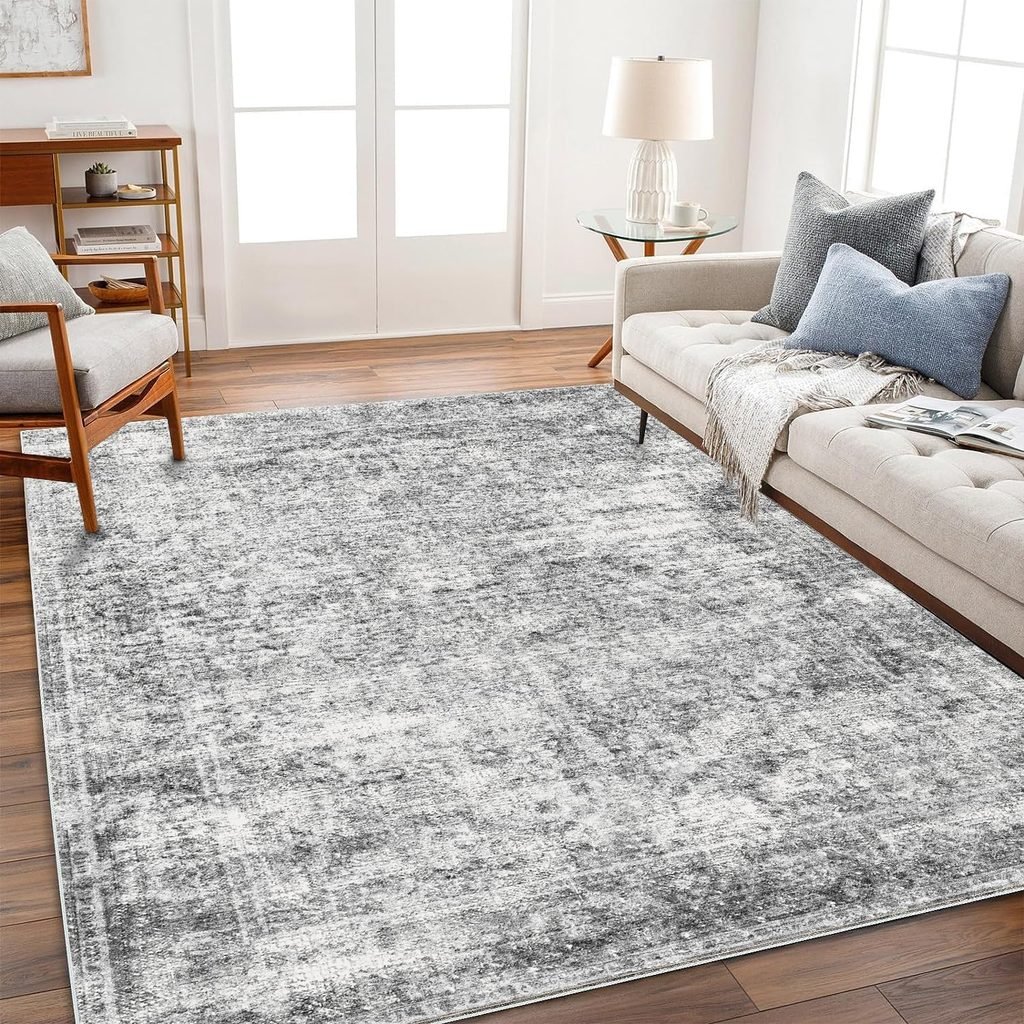
A properly sized modern area rug can instantly make a living room feel more cohesive while adding softness, warmth, and texture.
👉 Check the Latest Price on Amazon
4. Putting Too Many Small Decorations Together
One of the easiest ways to make your room look older is to clutter all of the surfaces with little decorations.
A bunch of tiny vases, figurines, candles, frames, and misc items can be cute to some people, but too much of it can overwhelm your home.
A better way to decorate is to pare things down and have a few good pieces that you really like stand out.
Instead of plopping down six different little trinkets on your coffee table, maybe get a nice tray and put a couple candles and a couple vases in there.
To really add some visual appeal, vary the height of your decor.
A nice tall vase next to some shorter decorations is more interesting to look at than a row of vases that are all the same height.
What to Do Instead
- Remove unnecessary decorative objects.
- Give your favorite pieces room to stand out.
- Combine different heights and shapes.
- Use trays to group smaller accessories.
- Leave some empty space on tables and shelves.
- Rotate seasonal decorations instead of displaying everything at once.
Best approach: Decorate with intention rather than trying to fill every empty surface.
🛒 Product Recommendation
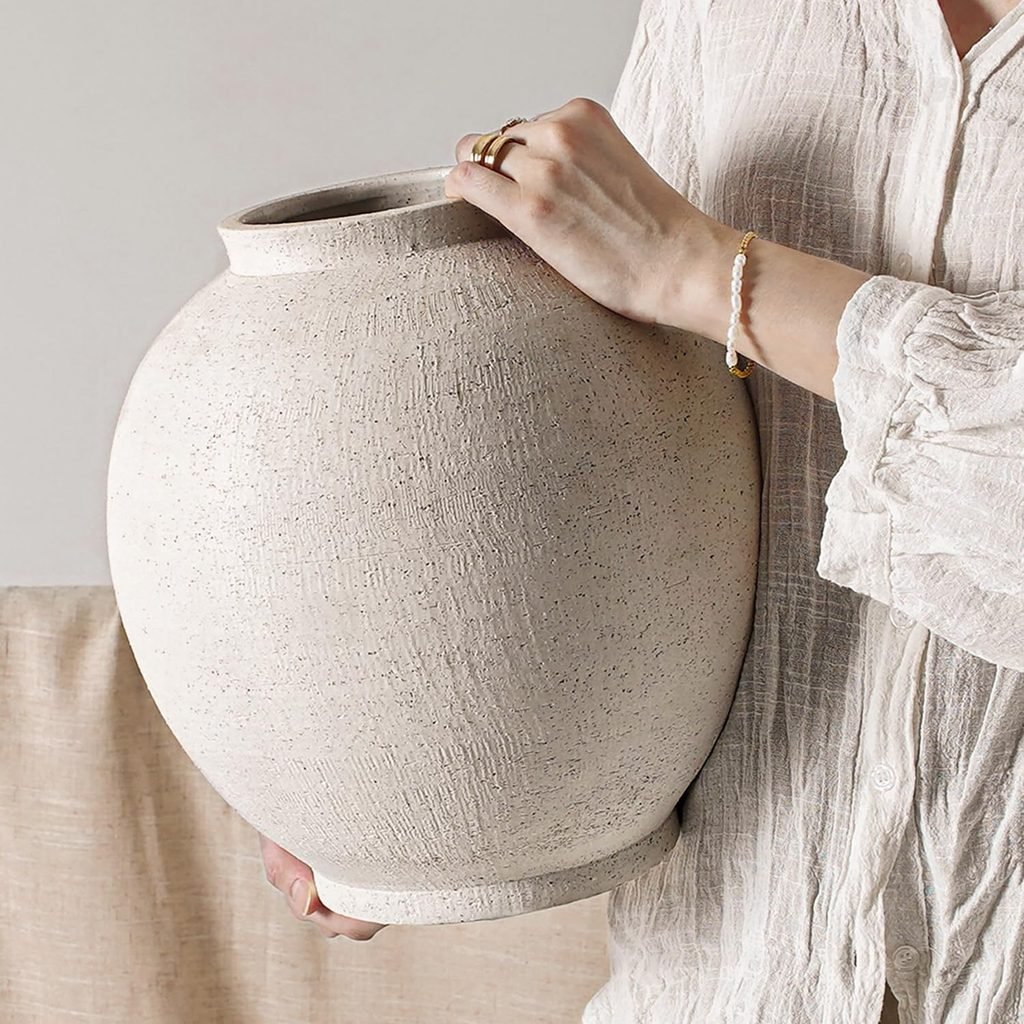
A large decorative vase can replace several small accessories and create a stronger focal point on a console table, coffee table, or shelf.
👉 Check the Latest Price on Amazon
5. Leaving Large Walls Completely Empty
Minimalism in design doesn’t suggest that the large portions of the wall should not be left empty.
On the contrary, leaving all the space empty can make the room look unfinished or unbalanced. If your furniture is oversized in the room compared to the walls, this can become apparent. The other extreme of filling the walls entirely is not the correct option.
Thus, the scale has to be carefully picked. A piece of artwork might be too minuscule in large-scale furniture or an empty wall. A correctly selected frame or picture or even a mirror will help to find a balance on the wall. Big mirrors help to highlight color, pattern, or textures on the walls.
In addition, if you are renting a place or have a small apartment and need to make changes occasionally, then opting for large framed works may be a good solution.
What to Do Instead
- Choose artwork that is proportional to the wall.
- Consider one large statement piece instead of several tiny pieces.
- Use a gallery wall when several smaller pieces work better with the space.
- Hang artwork at an appropriate viewing height.
- Match the artwork’s colors with your existing decor.
- Consider mirrors when you want to add light and visual depth.
Best approach: Think about the entire wall as part of the room’s composition rather than treating artwork as an afterthought.
🛒 Product Recommendation
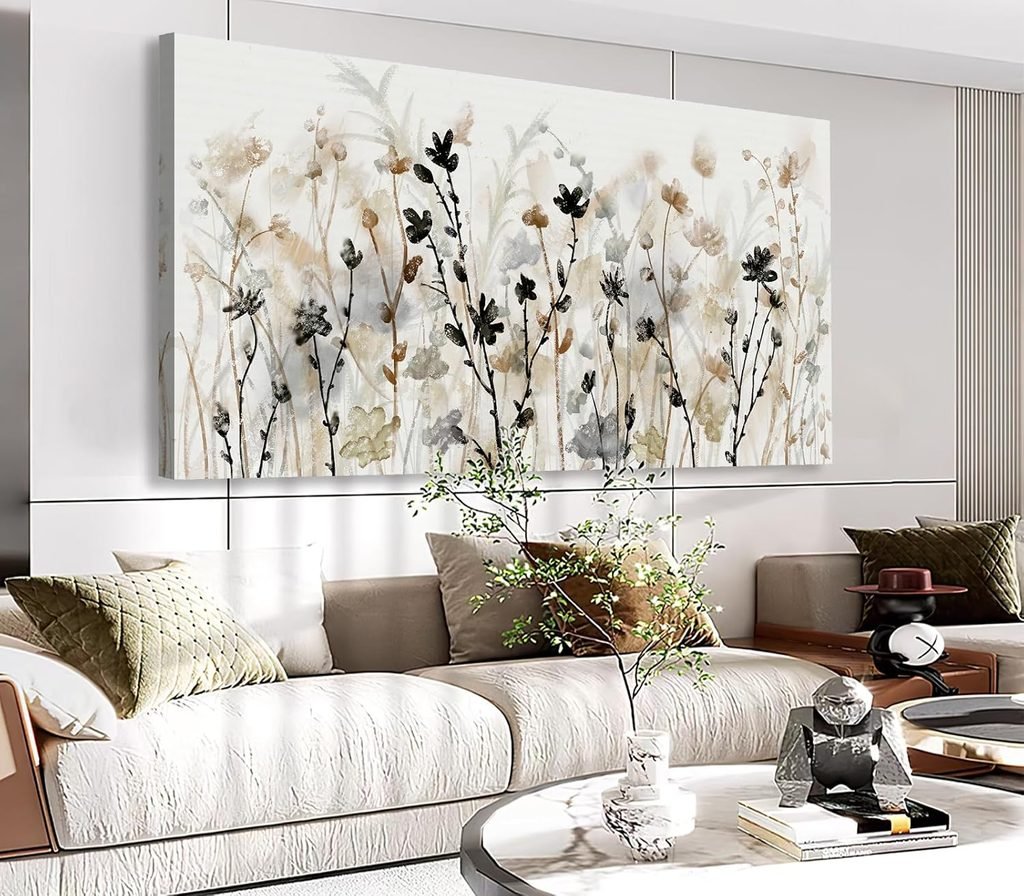
A large neutral wall art piece can give an empty wall a finished appearance while maintaining a calm and modern look.
👉 Check the Latest Price on Amazon
6. Using Too Much Gray
Gray is a popular interior color of the past few decades, and there is absolutely nothing wrong with choosing it for your home. The matter arises when the whole room is gray.
Gray walls, gray furnishings, gray carpets, gray curtains, and gray accessories rob the room of contrast and warmth, failing to create an inviting atmosphere typical of most homes.
The good news is that you do not necessarily have to repaint everything in white or cream to fix a gray room, and you do not have to throw away all of your gray furniture. A touch of contrast and warmth will be enough to totally transform the room’s look and ambiance.
Cream, beige, warm white, wood, green, terracotta, and other colors and materials will add vibrancy and variety to the space, making it feel less bland and more comfortable. You can achieve a similar effect by adding different textures to the room.
A gray sofa with cream cushions, a warm woven rug, wooden side tables, and potted plants will be much more cheerful than a set of gray sofas and armchairs.
What to Do Instead
- Mix cool gray with warmer neutrals.
- Add natural wood elements.
- Introduce cream, beige, or warm white.
- Use plants to bring in natural color.
- Add textured fabrics such as linen, cotton, or woven materials.
- Use accent colors sparingly rather than changing everything at once.
Best approach: Keep the gray pieces you like and balance them with warmer colors, natural materials, and different textures.
🛒 Product Recommendation
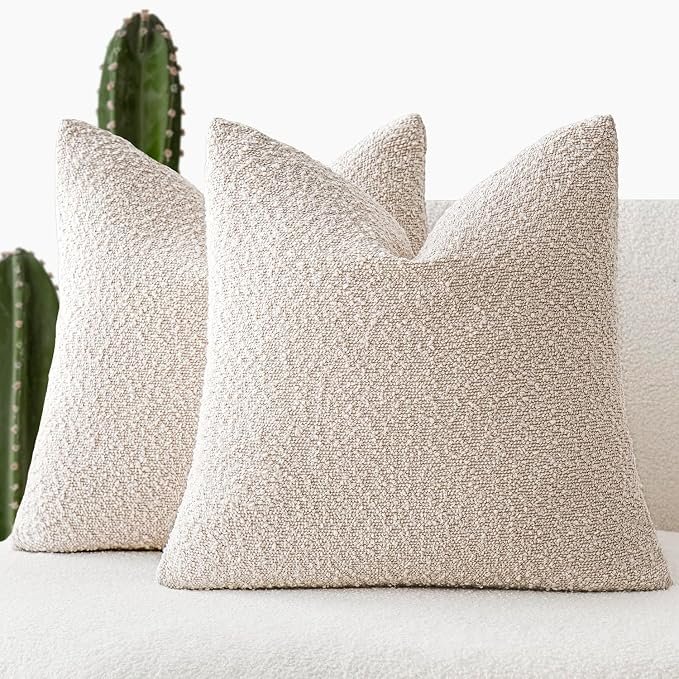
Textured throw pillows are one of the easiest ways to warm up a gray sofa or neutral living room without replacing expensive furniture.
👉 Check the Latest Price on Amazon
7. Pushing Every Piece of Furniture Against the Wall
It seems logical to place all furniture against the walls in order to create as much free space as possible, but this often leaves the center of the room feeling devoid of any furniture.
Instead,
it is important to consider how the room is actually used.
Living room furniture tends to be oriented to create a conversational space, and therefore does not always benefit from being placed entirely against the walls.
While it may be tempting to place all furniture directly against the walls, pushing the sofa away from the wall by even a few inches can create a nice conversational space.
It is important to create different areas within the room in order to accommodate the many activities that may take place there.
For instance,
in addition to a sofa and coffee table that face each other, there might be a nice chair tucked into one side of the sofa that faces it, plus a floor lamp next to the other chair, creating a nice conversation and reading nook.
What to Do Instead
- Arrange furniture around how the room is actually used.
- Create conversation areas in living rooms.
- Don’t be afraid to pull furniture slightly away from walls.
- Use rugs to visually define seating areas.
- Keep walkways clear.
- Consider the room’s natural focal point when positioning furniture.
Best approach: Prioritize function and flow instead of simply trying to maximize empty floor space.
🛒 Product Recommendation
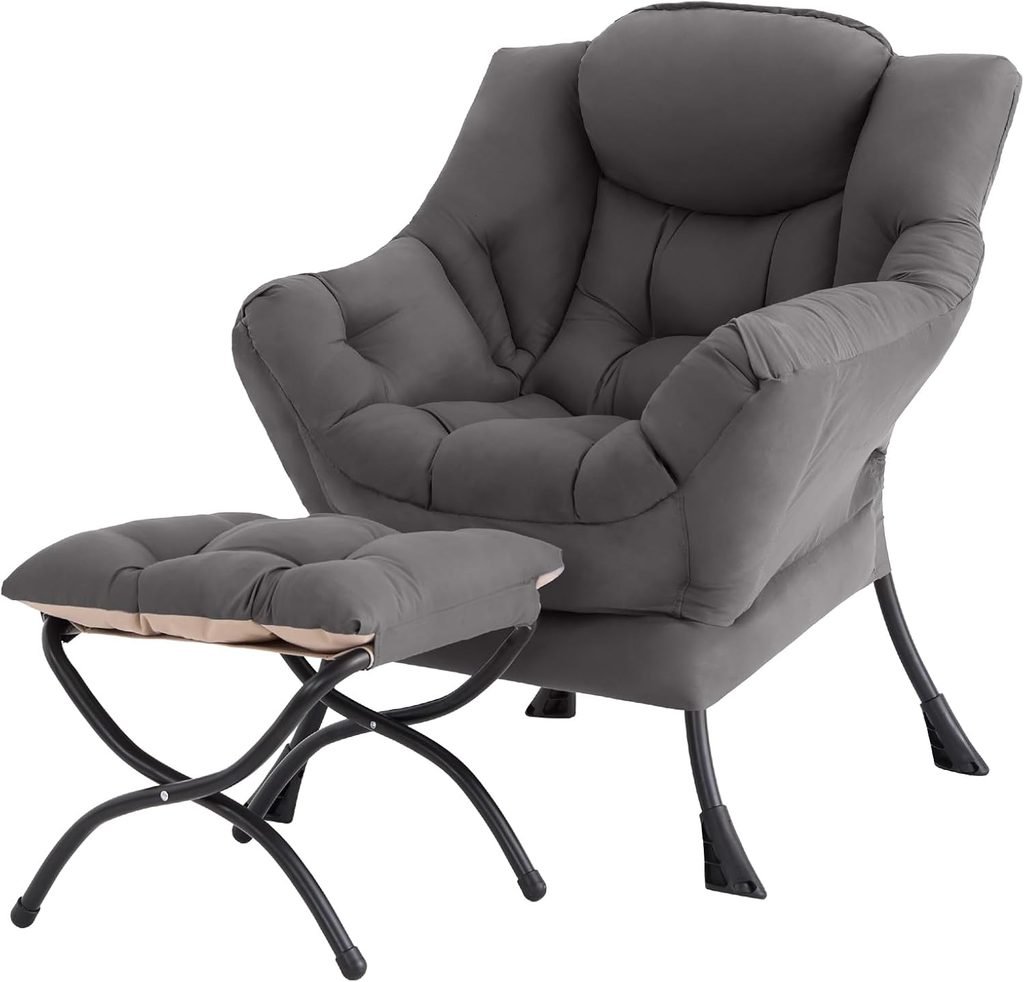
A comfortable accent chair can help create a defined seating or reading area without requiring a complete furniture makeover.
👉 Check the Latest Price on Amazon
8. Making Everything Match Too Perfectly
Matching furniture can occasionally make decorating easy, but a room that is comprised of pieces that are all the same shade, texture, material, and design can feel less like a home and more like a showroom.
A nicely decorated room will have variety.
You can use different materials, shapes, finishes, and textures as long as the items in the room complement each other.
For instance, you could have a neutral couch in a room with a wooden end table, woven basket, ceramic vase, and a metal floor lamp.
Instead of making everything in the room the same, it’s best to aim for making everything in the room go together.
This way, you can also update your decor without having to get rid of an entire set that doesn’t match a newer set.
What to Do Instead
- Mix wood, metal, glass, ceramic, and woven materials.
- Combine different furniture shapes.
- Use complementary rather than identical colors.
- Mix old and new decorative pieces.
- Repeat a few colors throughout the room for consistency.
- Let one or two pieces become focal points.
Best approach: Create coordination without making everything look like it came from the same set.
⭐ Styling Tip
If your furniture is mostly one color, introduce contrast through textured accessories, natural wood, greenery, or decorative ceramics. Small material changes can give a room much more visual depth.
9. Ignoring Empty Corners
Empty corners aren’t necessarily bad, but when a corner feels completely forgotten while the rest of the room is carefully decorated, it can make the overall design feel unfinished.
You don’t need to fill every corner with furniture. Instead, look for areas that could benefit from a little height, lighting, greenery, or texture.
A tall artificial plant can add height to an empty living room corner. A slim floor lamp can turn a forgotten area into a useful lighting zone, while a small accent chair can create a comfortable reading spot.
The important thing is to choose something appropriate for the size of the space. A huge piece of furniture in a tiny corner can make the room feel crowded rather than complete.
What to Do Instead
- Add a tall plant to suitable empty corners. home decor mistakes
- Use a slim floor lamp where additional lighting is needed.
- Create a small reading or seating area.
- Add a narrow decorative cabinet where storage is useful.
- Leave some corners intentionally open if the room already feels balanced.
- Choose pieces that match the scale of the room.
Best approach: Treat empty corners as opportunities, not problems that must automatically be filled.
🛒 Product Recommendation
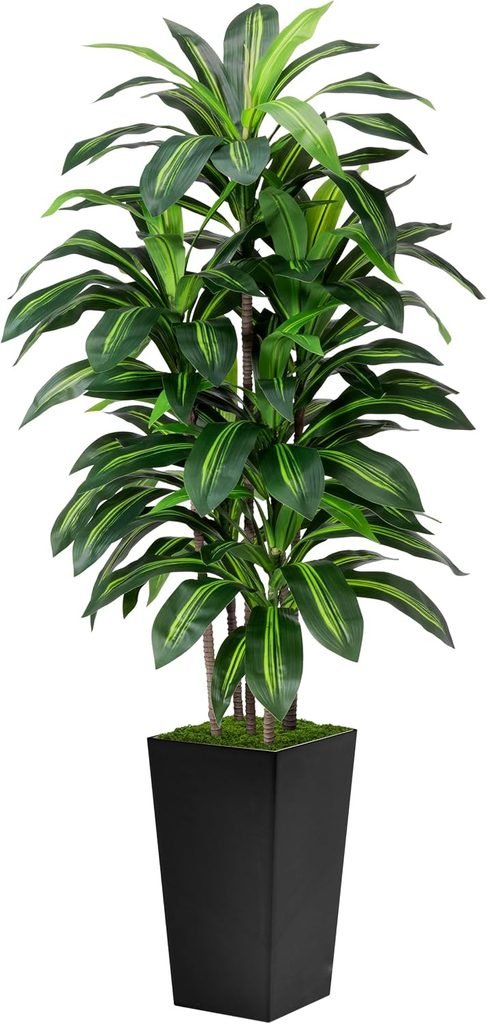
A large artificial plant is an easy way to add height, greenery, and visual interest without requiring the maintenance of a real plant.
👉 Check the Latest Price on Amazon
10. Forgetting the Entryway
The entryway is the first part of your home that you and your guests see, yet it’s often one of the most overlooked areas when decorating.
An empty entrance can make an otherwise beautiful home feel unfinished. On the other hand, an entryway doesn’t need to be large or filled with furniture to make an impression.
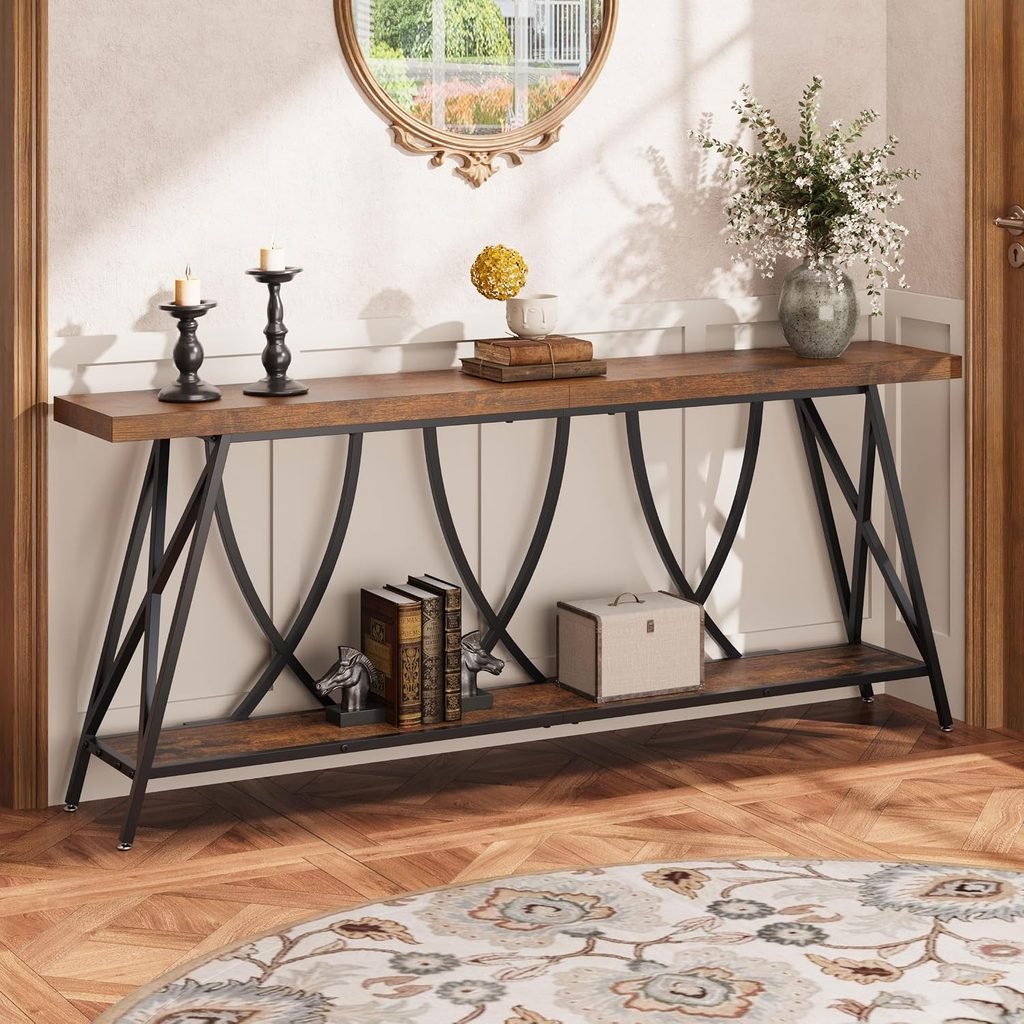
Even a small entrance can benefit from a few carefully chosen elements. A console table, mirror, small lamp, rug, plant, or decorative tray can turn a plain hallway into a welcoming transition between the outside world and your home.
Function is just as important as appearance. Your entryway should have a convenient place for everyday items such as keys, bags, or shoes while keeping the walkway clear.
For smaller homes and apartments, choose narrow furniture and use wall space whenever possible.
What to Do Instead
- Add a mirror to create visual depth.
- Use a slim console table where space allows.
- Add a small lamp for warm evening lighting.
- Use a runner rug to define the entrance.
- Include a basket or tray for everyday essentials.
- Keep the walkway clear and uncluttered.
- Add one decorative element such as a plant or vase.
Best approach: Make the entryway both beautiful and functional rather than treating it as an empty passageway.
🛒 Product Recommendation
A decorative console table can provide both storage and styling space while giving the entryway a more finished appearance.
👉 Check the Latest Price on Amazon
How to Make Your Home Look More Expensive Without Remodeling
Making your home look more polished doesn’t necessarily require expensive renovations or designer furniture. Often, the biggest improvements come from better styling and thoughtful choices.
Start by looking at the overall room rather than individual products. Remove unnecessary clutter, improve the lighting, adjust furniture placement, and make sure your rugs and artwork are appropriately sized.
Then introduce a few elements that add texture and personality. A large mirror, a beautiful rug, warm lighting, natural greenery, and well-chosen decorative accessories can completely change the atmosphere.
Another simple trick is to keep everyday items organized. A beautifully decorated room can still look messy when cables, papers, clothing, and miscellaneous items are left everywhere.
Simple upgrades that can make a big difference:
- Replace harsh lighting with layered lighting.
- Hang curtains at an appropriate height.
- Choose larger artwork for large walls.
- Upgrade an undersized rug.
- Add plants or greenery.
- Introduce natural wood and woven textures.
- Remove unnecessary clutter.
- Use decorative trays to organize surfaces.
- Mix furniture styles instead of matching everything.
- Keep a consistent color palette.
The goal isn’t to make your home look expensive for the sake of impressing people. It’s about making the space feel intentional, comfortable, and well cared for.
7 Quick Home Decor Updates You Can Do This Weekend
If you don’t want to make major changes, start small. These simple updates can refresh a room in just a few hours.
1. Rearrange Your Furniture
Try a different furniture layout before buying anything new. You may discover that your existing pieces work better in a different arrangement.
2. Declutter One Surface
Choose a coffee table, console, shelf, or countertop and remove everything from it. Put back only the items you genuinely like or use.
3. Improve Your Lighting
Add a floor lamp or table lamp to a dark corner and use softer lighting in the evening.
4. Refresh Your Textiles
Changing throw pillows, blankets, curtains, or a rug can give a room an entirely different feeling without replacing major furniture.
5. Add Greenery
A plant or quality artificial plant can instantly introduce color, height, and natural texture.
6. Restyle Your Shelves
Group objects by height and vary the arrangement. Don’t feel obligated to fill every shelf.
7. Create a Focal Point
Choose one feature that deserves attention—a large mirror, artwork, fireplace, beautiful furniture piece, or statement light—and arrange the rest of the room around it.
How to Know When Your Room Has Enough Decor
One of the hardest parts of decorating is knowing when to stop.
If every wall, shelf, table, and corner has something on it, the room may benefit from editing rather than adding more.
Step back and look at the room as a whole. Are there areas where your eyes naturally rest? Can you easily move around the furniture? Does each decorative item contribute something to the room?
If removing one or two objects makes the room feel calmer, that’s usually a good sign that you had too much.
A well-decorated room doesn’t need to look full. It needs to look balanced.
Final Thoughts
Avoiding common home decor mistakes doesn’t mean following strict design rules or completely changing your personal style. Instead, it’s about understanding how small choices affect the way a room feels.
The wrong-sized rug, poor lighting, excessive clutter, mismatched colors, or oversized furniture can make a space feel less comfortable than it actually is. Fortunately, most of these problems can be corrected without a major renovation.
Start with the changes that will have the biggest impact. Improve your lighting, reconsider your furniture arrangement, introduce more texture, choose decor that fits the scale of your room, and remove pieces that no longer serve a purpose.
Most importantly, don’t feel pressured to make your home look exactly like someone else’s. The best interiors are spaces that feel comfortable, functional, personal, and genuinely lived in.
Sometimes, the biggest transformation isn’t adding more—it’s simply making better choices with what you already have. 🏠✨
Related Posts
- 15 Apartment Decor Ideas for 2026 (Stylish & Space-Saving Ideas)
→ Great for readers decorating smaller homes. - 10 Living Room Decor Ideas for 2026
→ Perfect after discussing rugs, furniture, lighting, and layout.